


Playbright’s People Power
How a positive workplace culture supports staff retention.
BY BONNIE LAXTON-BLINKHORN, KINDICARE
The team at Playbright Rosebery make staff retention in the early education and care sector look easy.
This closely knit group have been working together for many years, and even the casuals are the same with some of the staff being there for more than 22 years.

This consistency has resulted in a supportive team culture and outstanding results for the families and children lucky enough to call the centre theirs.
We spoke to centre director Ambra Sandrini to learn the secrets to their success.
Playbright Rosebery has been tucked away in a hidden corner of inner Sydney for more than 25 years and has stood the test of time thanks to its amazing staff and close-knit community.
Ambra moved across to Playbright from a centre with a more corporate structure and says the biggest advantage is that changes can be introduced easily and effectively, which results in constant improvement.
“I can easily talk to my managers to seek support for change, this means we can keep developing the centre and programs based on my feedback and input from educators on the floor, who really know the children,” says Ambra.

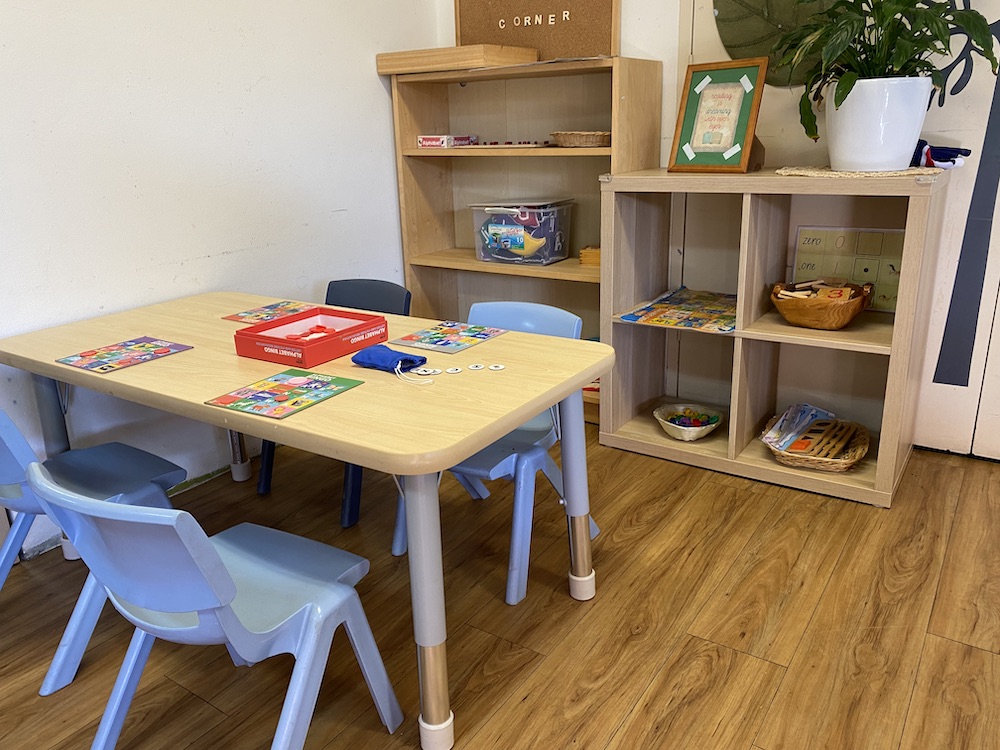
This nimble and highly responsive approach led to the introduction of a visual learning program across all the rooms and also a quiet corner where children can retreat to when they are in need of down time.
“This safe space is supplied with cushions, sensory materials, soft toys and comforters and has a calming effect. All the children know how to respect each other’s need for quiet and calm which means it is used effectively.”
Ambra’s recipe for success.
Good staff retention isn’t a coincidence, it requires a careful and considered approach to terms and conditions and a supportive culture. Ambra offers these suggestions for managers seeking to enhance employee relations:
1. Make sure your staff are happy.
Staff happiness is a complex formula but Ambra says key elements are that staff feel valued and respected for their knowledge and experience.
Ambra suggests asking for feedback on what’s working and what isn’t, collaborating with staff on program design and regularly seeking their input contribute to a happy team.
“Remember, early education staff aren’t just here for the pay cheque, they also get their reward from the job. If they feel valued, they will stay.”
2. Take a look at working conditions.
At Playbright ratios are calculated per the individual room needs and the correct number of staff are always kept in the rooms even during sleep time.
Ambra says this reduces the chances of staff becoming stressed and means children who need extra support receive it.
“Ensuring team members have the resources necessary to do their jobs at the best of their ability, means they have help if they get stressed and also ensures children who need extra support to be soothed or settled get it.”
3. Keep the inspo flowing.
Every six months at Playbright Rosebery staff have an opportunity to discuss their training goals with managers and they are also encouraged to keep a self-reflection diary to track their aspirations and what support they need to achieve them.
“After staff identify an area of interest I look for appropriate courses and enrol them.
“This happens from the top down as well. I’m in many early education forums such as Facebook groups and if I come across an interesting idea, I share it in our group chat. If there’s interest we discuss the idea and expand on it. This has built a culture of continual learning.”
Getting ahead in early education and care.
Ambra is a bit of an early education super-star and rocketed to her position as centre director in just five years, after managing to balance the competing demands of work with study.
With staffing still the most pressing problem facing the early education and care sector, many employers are in need of experienced and qualified educators and there are plenty of opportunities around.
Despite this Ambra says it’s important to keep sight of your own priorities when seeking a promotion, “Make sure people around you know your goals and aspirations and don’t be afraid to follow them.”
Trying different environments can also help educators understand where they want to work and where they are best suited.
“Don’t be afraid to move if things aren’t working for you, it’s the best way to work out what you like and what will make you happy and also to learn different philosophies and create your own based on that.”
For educators wanting to step up Ambra says it can be helpful to seek a mentor, either formally or informally.
“If you see an ECT or an experienced Certificate III or Diploma you like and admire who has the knowledge and experience you aspire to achieve, then watch them on the floor and learn from them.”
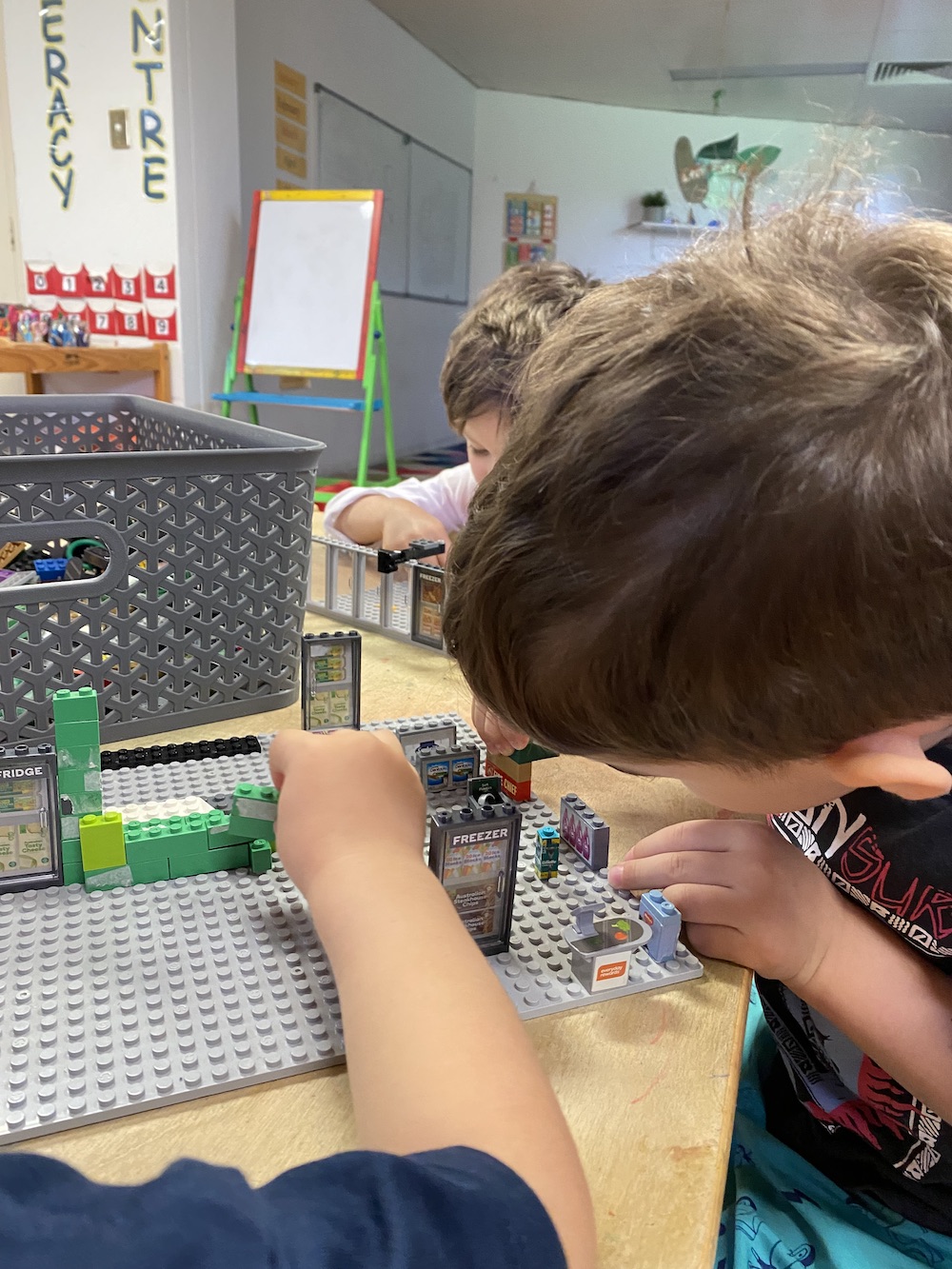
Finally, Ambra says it’s important to speak out about your career goals and seek out opportunities.
“If you want to step up, don’t be scared to speak up! Tell your manager your objectives, make them clear, if you don’t, no one will know.
“To really enjoy your career and get ahead you need to be both passionate and proactive!”