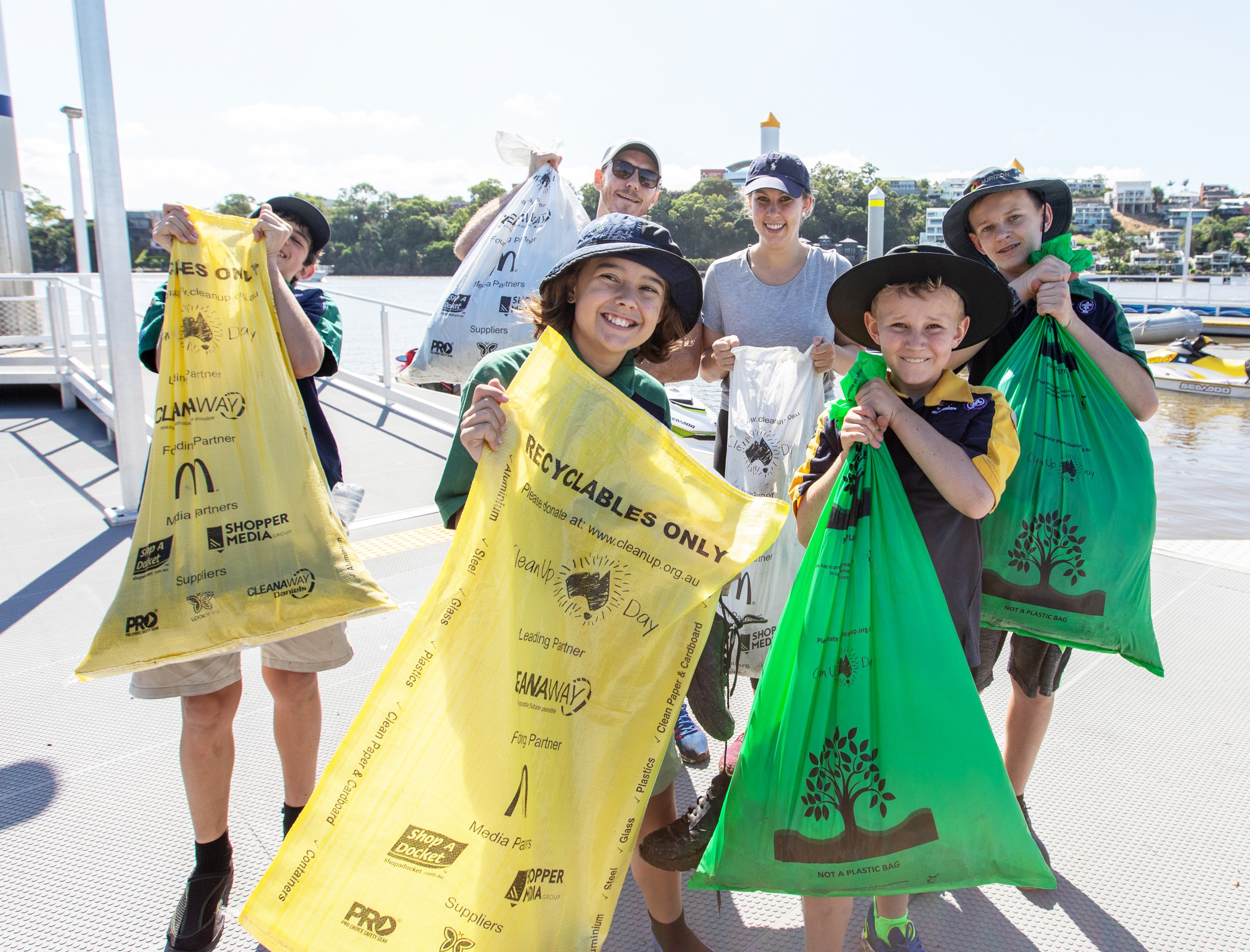


Activities for Waste Warriors
7 fun ways to Clean Up Australia with your preschooler.
BY HEJIRA CONVERY, KINDICARE
Under-fives are naturally curious, with energy to burn, and although it’s a while till they inherit the Earth, now’s the perfect time to educate your preschooler about important things like waste management and land care.
To help you do this, we’ve gone to an expert.
Pip Kiernan is the Chair of Clean Up Australia, and she’s been a waste warrior since way back!
Pip’s inspirational father, Ian Kiernan AO, founded Clean Up Australia back in 1990, and over the decades she’s seen the massive impact that little people can have when it comes to improving and conserving the environment.
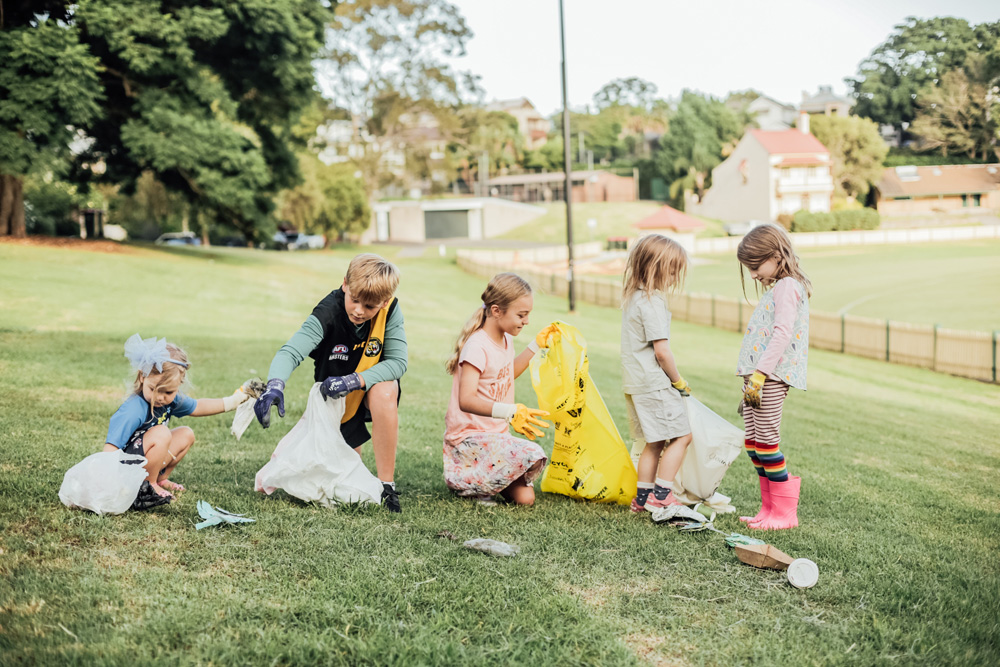
Schools Clean Up Day is a great example of this, with 1,396 early learning services and primary schools registering Clean Up sites last year; and at home, there are lots of ways to get your under-five geed up about a Clean Up.
For starters, here are seven preschooler-friendly ideas that Pip suggests:
1. Install the Recycle Mate app.
Recycling is something your child can learn about early in life, and although it’s fun to sort rubbish into different coloured bins and use old cardboard boxes in crafty new ways, Recycle Mate adds another dimension to rubbish appraisal!
This free app is available on Apple and Android, and it’s great because when you take a photo of an item, or type in its name, Recycle Mate will tell you the best way to dispose of it locally.
Together, you and your preschooler can investigate where that dead toy battery, empty cereal box or yucky disposable nappy should go next; and once you’ve audited the entire house, you might like to move on to Greenius, for waste-wise quizzes and games.

2. Get cash for your containers.
There are lots of ways to teach your under-five about money, and if you’re keen to do your bit for the planet as well, then participating in your state or territory’s Container Deposit Scheme will reduce landfill, while boosting your bambino’s piggy back.
You’ll need to research the scheme that’s operating where you live, but generally, you get 10 cents for every eligible container you return.
Pip says there’s also the option of donating to local/national charities and environmental groups through the Container Deposit Scheme, which is ideal if you’re teaching your kiddo the ‘Save, Spend, Give’ approach to money.

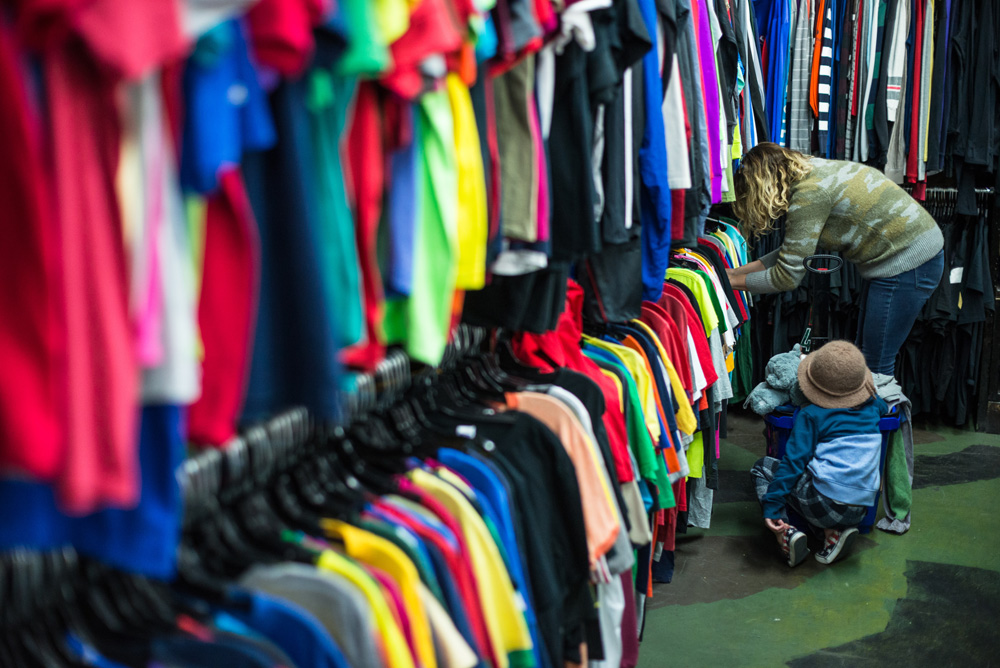
3. Go second-hand shopping.
Op shops, thrift stores and second-hand markets are super fun for little kids to explore, and they’re also positive for the planet.
Thrifting reduces our reliance on fast fashion, while saving pre-loved items from the scrap heap; and second-hand shopping is a great way to save cash, support charities and find that sequinned jumpsuit you’ve been looking for all this time!
4. Share some repair skills.
Bob the Builder is a big fan of fixing, rather than replacing, and this is definitely a good way to go!
Lots of broken things can be sewn, glued, screwed or otherwise repaired, and showing your preschooler how to do this is positive for their life skills and our landfill.
Pip tells us that there are free repair cafes around the country, too, so if you ‘re not sure how to fix something, someone else may be able to assist.

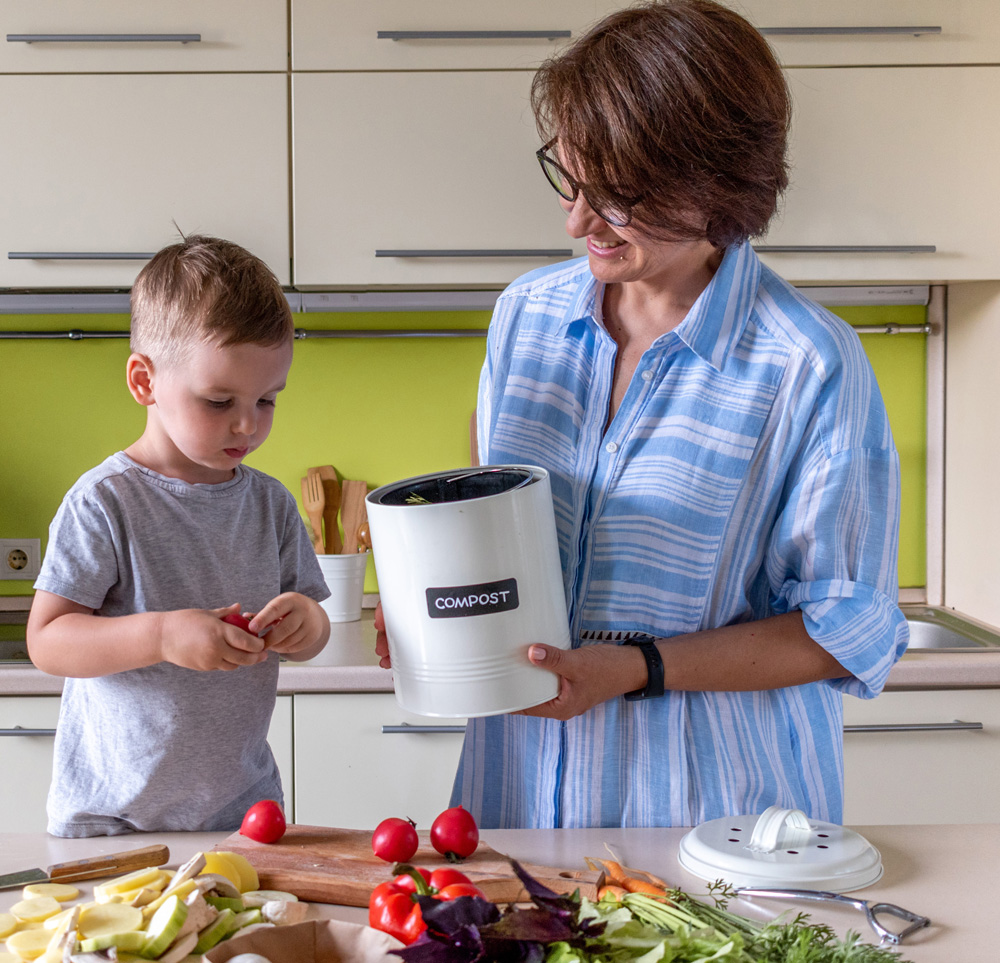
5. Start composting.
It’s easy to set up an odour-free compost bin in the backyard or on the kitchen bench, and composting is one of those things that makes you feel good.
It’s nice to know that all those organic scraps will break down and feed your garden, rather than going to waste, and Pip says your family can have a bit of fun measuring how much your normal rubbish bin reduces as you step up your composting efforts.
A worm farm is also very interesting for young children, and if your early learning service has one of these on-site, your under-five will be able to teach you a thing or two about worm care!
6. Make waste-free lunches.
Single-use packaging doesn’t do our planet any favours, and although you might not be totally sold on beeswax food wraps (though many parents are), it is important to reduce waste wherever possible.
This could mean that you buy a big bottle of juice instead of poppas, switch to homemade muesli bars and totally dedicate yourself to re-usable containers; and Pip says it’s also important to think about food waste.
Instead of loading up that plate or lunchbox, serve what your little one can actually eat, and involve your preschooler in putting together their lunch, explaining why waste-free is the way to go.

7. Take part in an organised Clean Up.
You might find that your child’s early learning service is registering for this year’s Schools Clean Up Day on 1 March 2024; and if not, you can always take part in Clean Up Australia Day on 3 March, or do a Clean Up on a date that suits you.
Participating in a Clean Up is a great way to connect your child with the planet, while opening their eyes to the big environmental issues of our age, and what they learn, and do, today will make a real difference.
There’s definitely some housekeeping needed to ensure the planet our kids inherit is a clean one, and we hope the above activities are fun for your family, today and going forward.
>>> Your early learning service can register now for Schools Clean Up Day on Friday, 1 March, by visiting register.cleanup.org.au