


An Amazing Autism Program
Little Souls Taking Big Steps supports children with and without autism, and this early learning service is inspiring in all the ways.
BY HEJIRA CONVERY, KINDICARE
SEPTEMBER 29, 2023
Early intervention gives children with autism the best possible opportunity to achieve their full potential, and Little Souls Taking Big Steps has been providing this all-important support since 2007.
This Gold Coast service has had a really positive impact on all the children who’ve been lucky enough to pass through its doors, and Little Souls is interesting (in a great way), because it’s an early intervention centre and traditional childcare centre, rolled into one.
This blended approach is beneficial for every early learner on site – whether they’re neuro typical or atypical – and to learn more, we’ve spoken with Robyn Hawkins.
Robyn is Little Souls’ Principal and Director of Therapy, and she started the service after her own son was diagnosed with severe Autism Spectrum Disorder as a toddler.
-4a73c96ae72fb0e2.jpg)
Robyn knows from experience that no autistic child is exactly the same.
If you’ve heard about autism, but don’t know exactly what it means – or wonder whether your child might be on the Spectrum – then Robyn explains that autism presents in different ways in early childhood.
She says, “Children with autism may present with delayed communication skills, and for some, this may mean they are unable to communicate their basic needs or wants or understand even simple instructions.
“They may appear to have a lack of interest in others and prefer to be alone. Some may have obsessive interests or limited/restricted interests in certain items or topics. Some may also display repetitive or self-stimulatory behaviours, like rocking back and forth.”
Whether a child’s autism is mild or severe, early intervention is absolutely essential.
We know how important the first five years are for children’s developing minds, and for littlies with atypical brain development, it’s super important that they get the support and therapy they need, from an early age.
Robyn says, “Research shows that the earlier we intervene, the less the gap will be in skill development, compared with typically developing children. There is much evidence to prove that early intervention is crucial in developing a child’s language, social and communication skills, and to effectively manage non-adaptive behaviours and prevent them from further developing.”
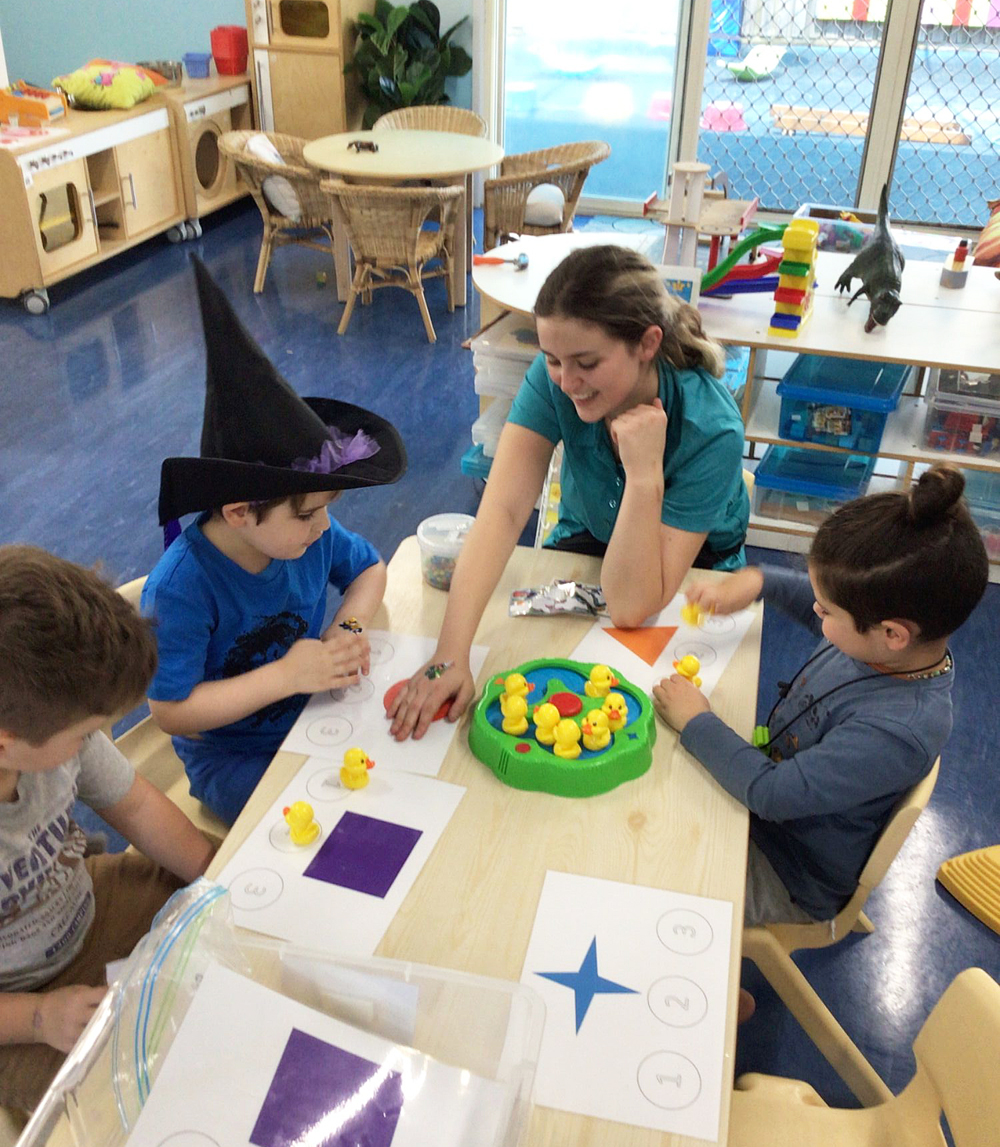
Little Souls’ autism program is designed with all this in mind.
They understand that children with autism don’t learn in the same way as typically developing children, so their early intervention program teaches each child in a way that makes sense to them.
Little Souls offers the program to ages two to six, and in practice, Robyn says, “We use a lot of visual or other prompts to help the children understand any new tasks, and we will often focus the task around things that are interesting and motivating for them.
“For example, if we are doing a counting task and the child has an interest in sea creatures, we will practise counting fish, crabs and jellyfish.
“We also provide many opportunities throughout the day to practice any new skills, because we know that repetition is very helpful for our children to learn anything new and to build their confidence.”
It’s common for children with autism to shy away from things that are new or hard, so Robyn and her team break down new tasks into simple steps, and they always celebrate children’s attempts to manage the task – which helps to gain their trust and encourage them to try new and challenging tasks.
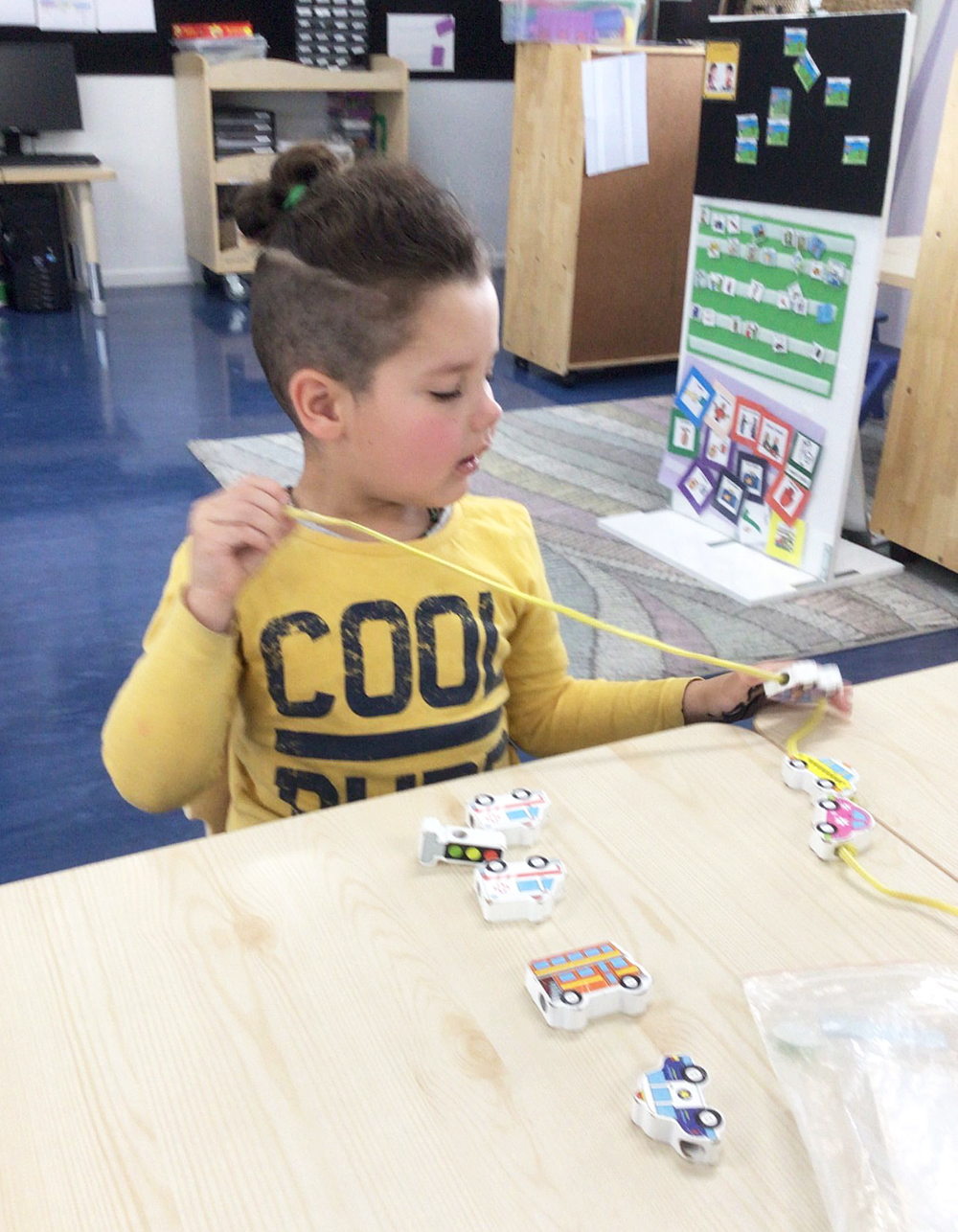
The Little Souls learning environment is also carefully designed to make the children with autism feel welcome and supported.
There are quiet spaces, including a comfy book corner, that children can retreat to when they need some downtime, and Robyn explains that the dedicated room for children with autism is organised to provide predictability and reduce anxiety.
She says, “Visual aids, such as place markers, play schedules, token systems, reward charts and schedules outlining the routines for the day all help. And even children who do not have the ability to verbally ask for something, can do this through the use of language boards in the room.”
As with mainstream early learning programs, there’s also a big focus on each child’s interests and strengths.
Children are offered toys and activities that they like and will develop their skills with, and Robyn says, “We make each child feel included and important, even if they have different levels of skill or ability.”
This means that, “If we have a group activity or song, our educators will structure it with the individual skills of each child in mind. For example, if we are singing Old McDonald, some of the children who are not yet able to make the animal sounds can still participate by holding up their animals or pointing to them on our whiteboard, when it is their turn. Activities are structured so that every child can successfully participate in some way.”
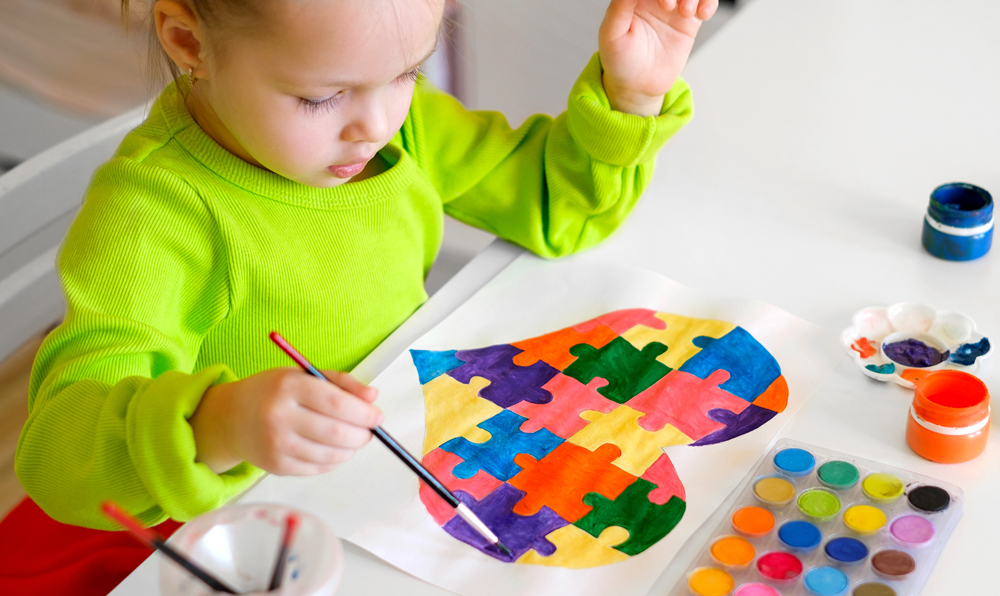
Parents are also closely involved in their child’s learning.
Each family has a monthly progress meeting with educators to discuss their child’s progress and challenges.
Parents are encouraged to regularly attend their child’s one-on-one therapy sessions, and are also invited to social events at Little Souls, where they can connect with other families who are facing similar challenges.
The centre is also happy to organise home visits and community visits if parents need more support or helpful strategies to make life easier, day-to-day.
Little Souls is also really inclusive in the way that its early intervention centre and childcare centre come together for a good chunk of each day.
The children with autism spend part of their day in a one-on-one therapy room (Little Souls has six of these), and the other part of their day in the mixed aged preschool room with the neuro typical children.
Robyn says, “This gives flexibility for the children to move between the two settings during the day, as some skills are best learnt in a quiet one-on-one environment and other skills (particularly social skills and school readiness) are best learnt in a classroom environment.
“Our educators work in both environments, which helps the children transfer their skills from one setting to the next.”
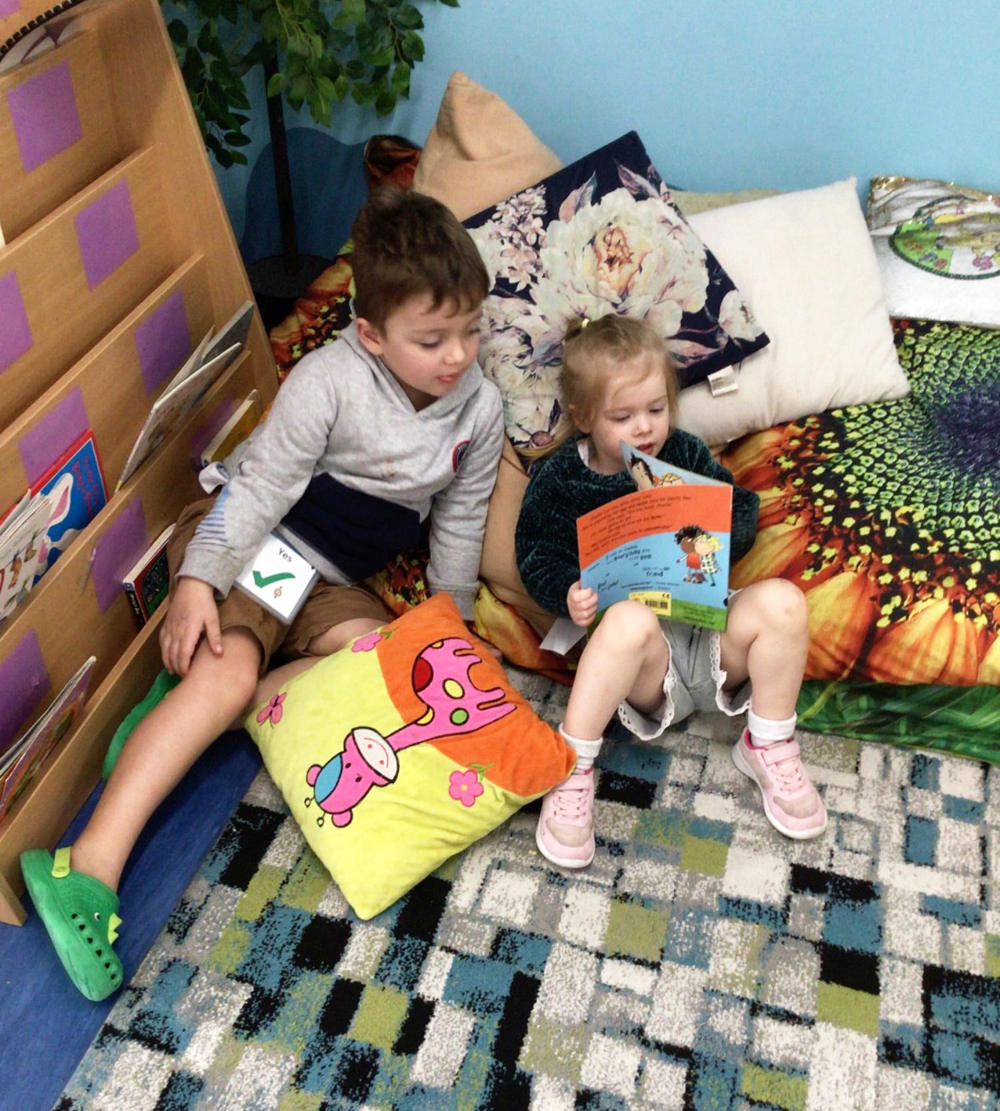
This blended approach is positive for all the children, and not just those with autism.
With the support of educators, the typically developing children come to understand that difference isn’t scary – it’s something to be celebrated.
And because many of the children with autism have advanced academic skills, Robyn says, “The other children learn that even though a child may not be able to converse with them just yet, they may have strengths in other areas that may even be superior to their own.”
Some of the children without autism also enjoy being mentors to those with autism, and this is great for their self-confidence and developing empathy.
Robyn says, “Our centre also places a big emphasis on developing independent self-care skills, social skills and self-regulation skills, and the development of these skills at an early age is beneficial for all the children in our care.”
Throughout the years, Little Souls’ intelligent, inclusive and inspiring approach has made a brilliant difference in families’ lives, and Robyn’s team genuinely love what they do.
She says, “Seeing the children blossoming and learning new skills and developing meaningful relationships with others around them is so rewarding.
“At our monthly progress meetings, parents will often share with us how they witnessed their child doing or saying something for the first time, and there are often tears shed as we share these small, but very significant, milestones with each other.”
If you are living on the Gold Coast and searching for childcare, Little Souls is definitely worth a look.
And if you’re based elsewhere, but would like to learn more about how early learning services embrace neurodiversity, this KindiCare article makes interesting reading.