


Choosing a Quality Program
Goodstart is here to help you understand what an early learning program is, and how to spot a great one!
BY HEJIRA CONVERY, KINDICARE
Education is a key part of early childhood education and care, and if you’re at the start of your early learning journey, you probably know how important a quality educational program is, without necessarily knowing what one looks like!
And that’s ok, because Australia’s largest childcare provider, Goodstart Early Learning, is here to explain things, and point you in a positive direction.
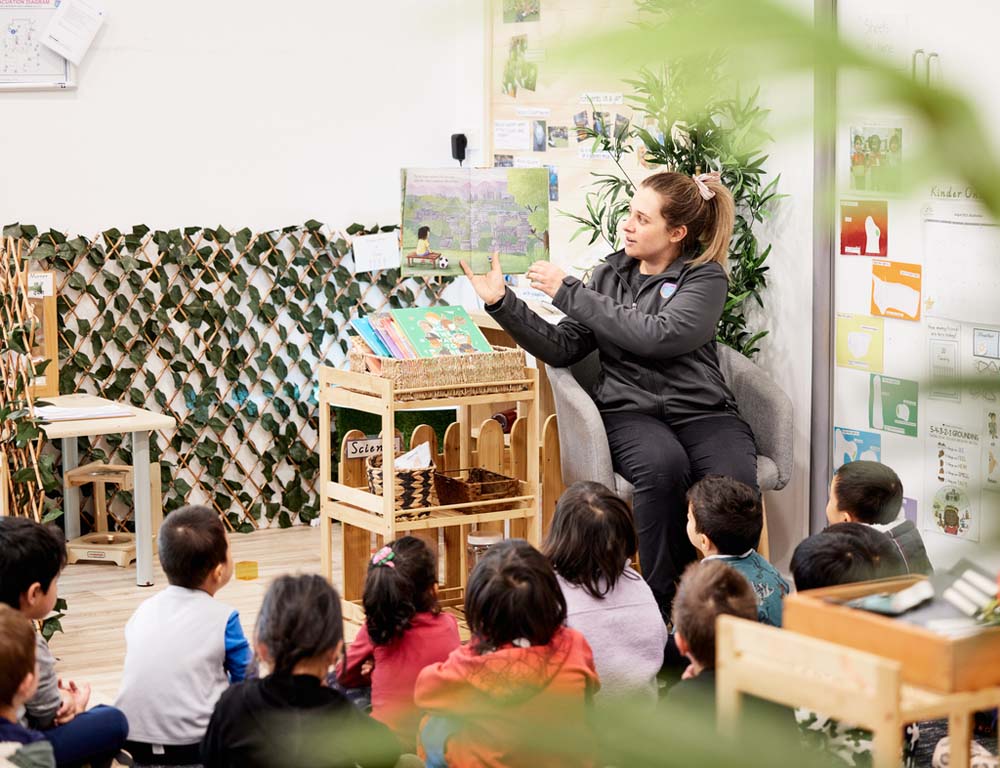
So, what exactly is an early learning program?
Well, Kelly Scott is the amazing Centre Director at Goodstart Early Learning Murarrie, and she explains that, “At its heart, an early learning program is a rich, play-based curriculum, guided by qualified educators who understand how young children learn best.”
No program is exactly the same, because each service gets to create their own, but every program must fit within the guidelines of the Early Years Learning Framework, and offer each child the chance to develop to the best of their potential.
This means that an early learning program isn’t just about keeping young children busy.
Kelly explains that it’s also about supporting under-sixes to, “Build essential skills, make sense of the world, develop confidence, and begin to see themselves as capable learners.”
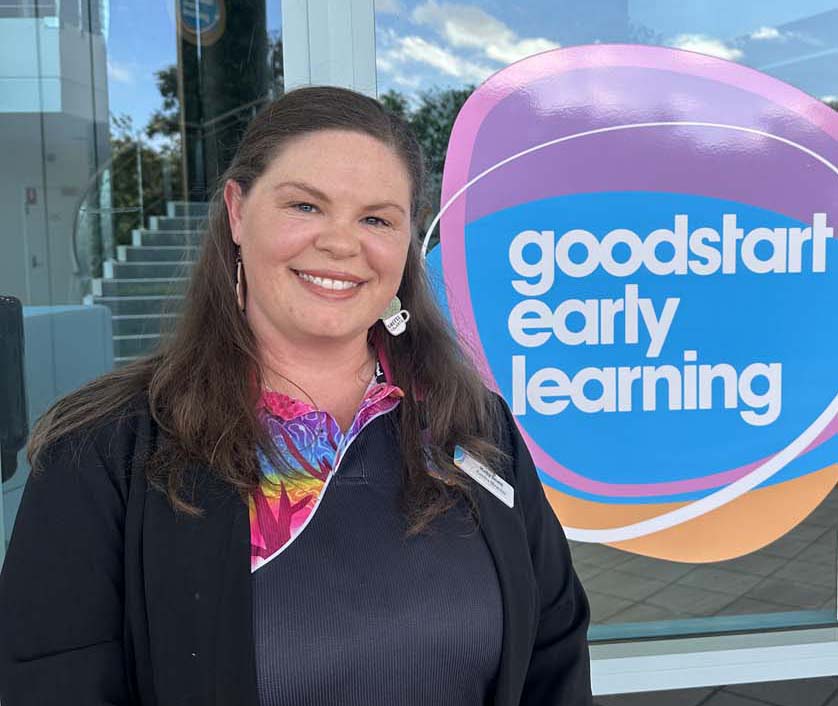
These skills and perspectives are so important for school and life, and this is why a rich and varied program really does matter in the early years.
Children thrive when they’re given the opportunity to learn through play, exploration and intentional teaching, like at Goodstart Murarrie.
And although you might be excited by a centre’s regular incursions, or expecting school-like lessons, a quality program won’t always look like structured or traditional learning.
Instead, Kelly says, “It might look like building towers, painting with friends, asking “why?” a thousand times, or pretending to be a firefighter or nurse.”
These kinds of everyday experiences are incredibly valuable, because they help children build essential life skills, such as communication, problem-solving, resilience, and empathy.
And even more than that, Kelly explains that a rich and varied program will, “Honour children’s agency, their voice, and their right to be an active participant in their own learning.
“They’ll be given the space to make choices, follow their interests, and express themselves in meaningful ways,” so they can become powerful learners now, and in their future.

This is something you’ll definitely want for your child, and to help you spot a quality early learning program, here are seven questions Goodstart recommends you ask:
1. Does the centre follow the Early Years Learning Framework?
The answer to this should be ‘Yes,’ and Kelly explains that when a program truly embraces the EYLF, you’ll see:
- Children leading their own learning, exploring their interests, building relationships, and developing a deep sense of belonging;
- Educators who listen deeply, respond thoughtfully, and celebrate each child’s unique journey; and
- Families welcomed as partners in the childcare community.
2. Does the centre keep a record of children’s learning for parents to see?
Again, the answer should be ‘Yes’, because centres should document children’s experiences and development through thoughtfully curated learning stories and activity logs.
However, Kelly says this documentation needs to be carefully balanced, so that it doesn’t take away from the educators’ core role – which is building relationships with children and facilitating rich learning experiences.
So, instead of looking for loads of photo and video updates online, look for a centre that prioritises educators being fully present with the children.
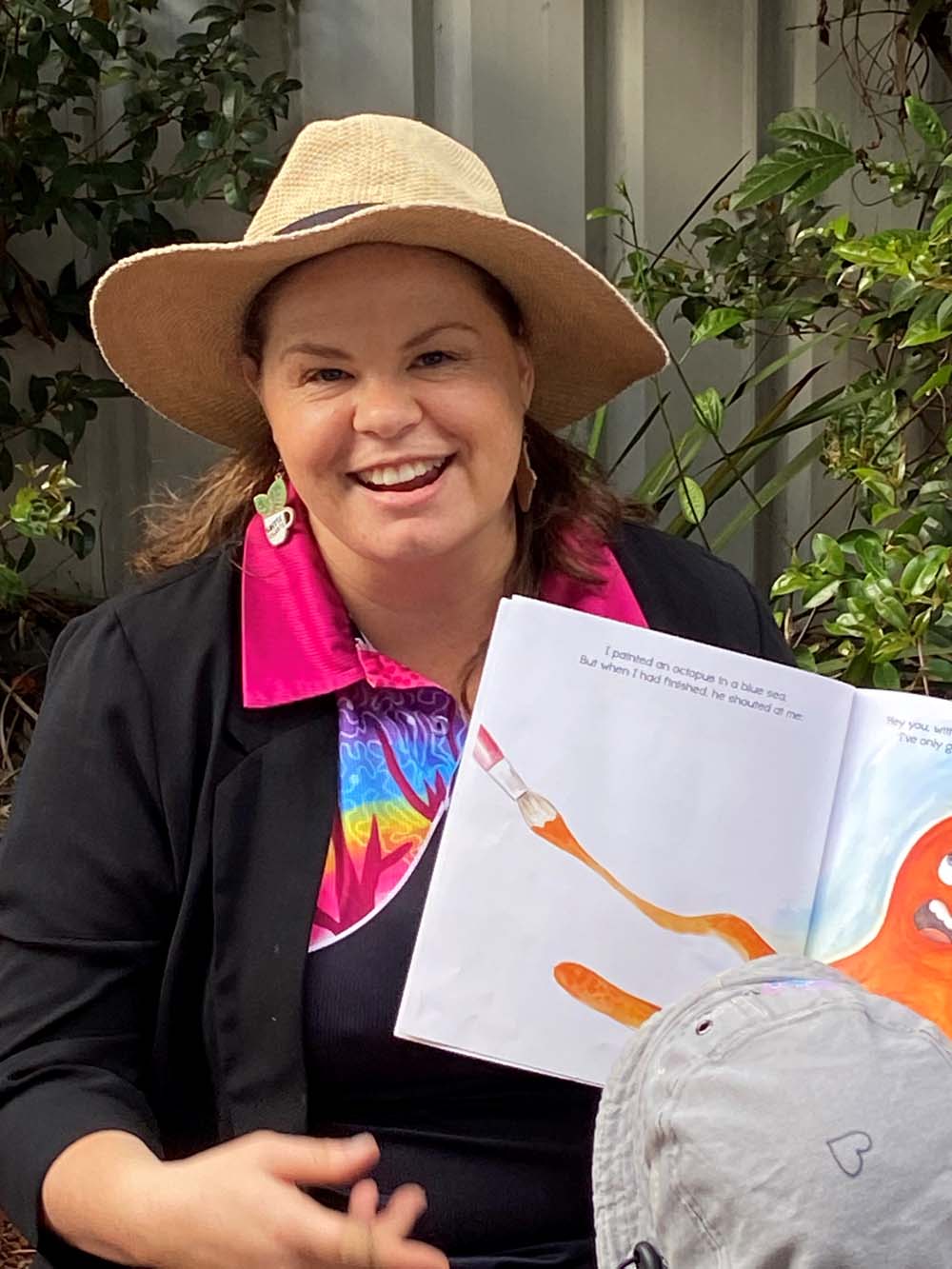
3. Does the centre have a set daily routine?
This question is best answered with a ‘Yes’ and ‘No’, because although a basic routine is beneficial, the daily routine should be flexible to meet all children’s needs.
For example, when it comes to rest times, children should be allowed to sleep if they need to, but shouldn’t be forced to sleep if they don’t.
4. Can the centre provide you with an outline of activities for your child’s age?
This is important, and as you read through it, you should see activities that suit your child’s interests, with a good mix of exercise, art, music, reading, play and games.
5. Does the centre celebrate educational and cultural events?
This is positive to see, because special events, like Book Week, NAIDOC Week and Dental Health Week are fun and informative, with community at their core.
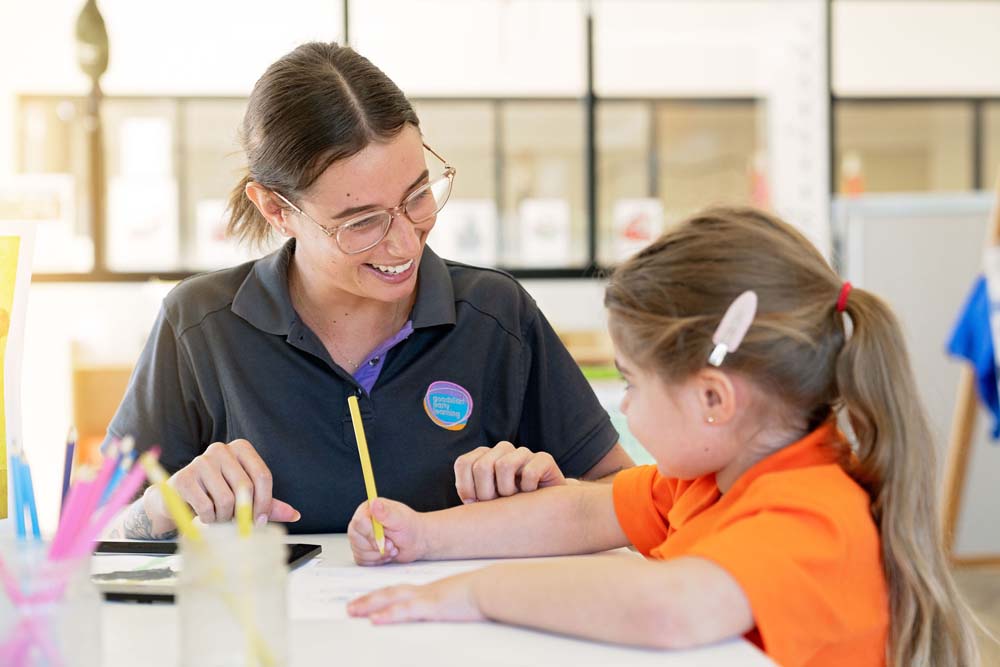
6. Does the centre have a good mix of group and one-on-one activities?
The answer here should be ‘Yes,' because you’re looking for a good balance between both types of interactions.
7. What is the centre’s philosophy when it comes to tailoring education and care?
The answer to this should be ‘flexible,’ because it’s important that the learning activities can be tailored to your child’s individual strengths and needs; and that educators can be flexible with them too, to support your child in the best possible way.
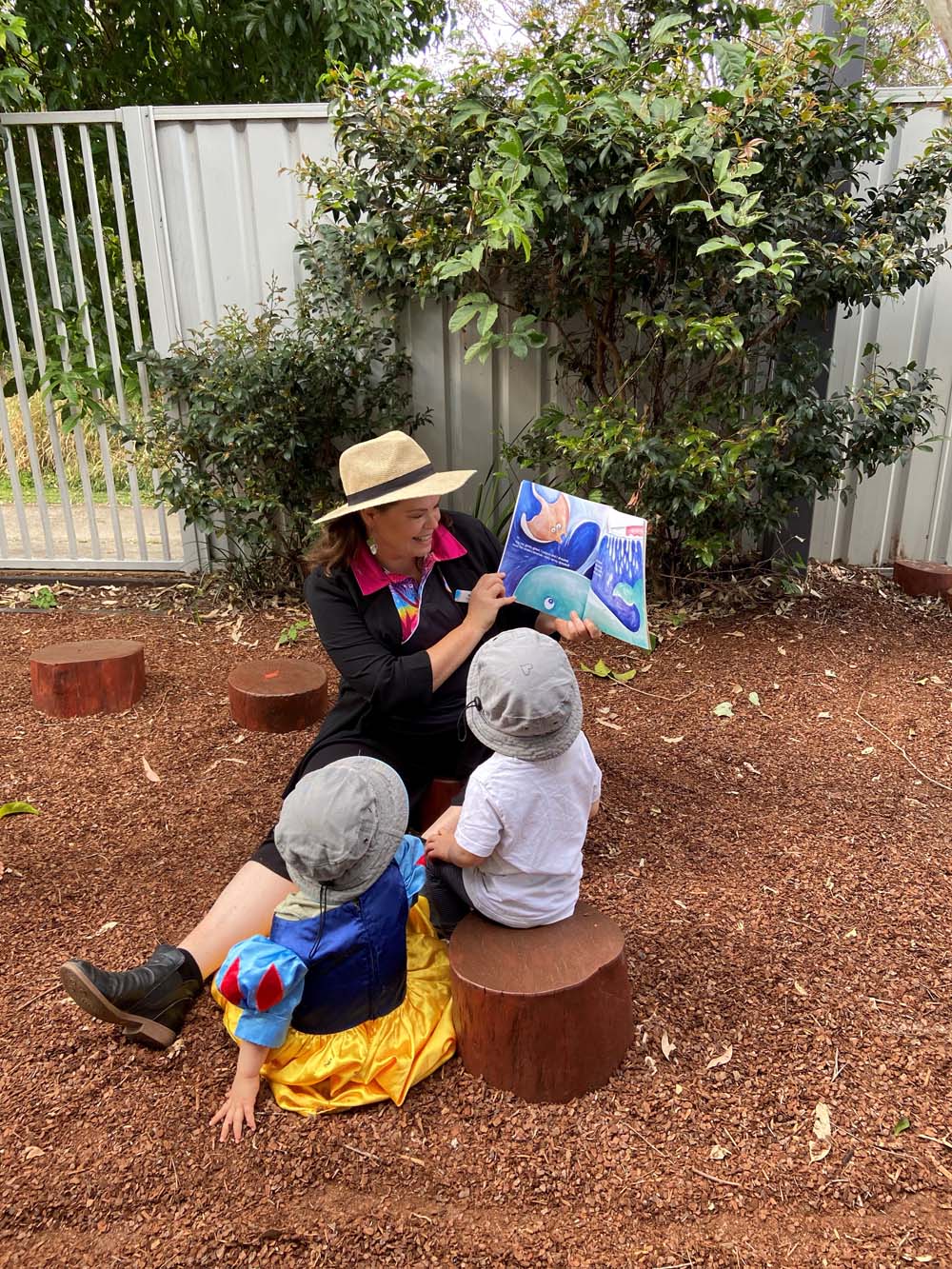
These questions will help a lot when you’re considering a centre, and, of course, a quality program isn’t your only priority when searching for childcare.
There are lots of different things to consider, so we recommend that you work your way through the whole Childcare Checklist put together by Goodstart, and the one they’ve produced with the Raising Children Network.
You can then explore all your childcare options using the KindiCare App or kindicare.com