


Emergent Curriculum
Queensland Childcare Services is here to explain a child-led approach to early learning, called emergent curriculum.
BY HEJIRA CONVERY, KINDICARE
Curriculum is one of your key considerations when choosing an early learning service, and this means you’re looking for a place that offers a rich variety of interactions, experiences, routines and events.
This will support your child to learn and develop in really great ways, and if you want the very best for them (and of course, you do!), then consider an emergent curriculum.

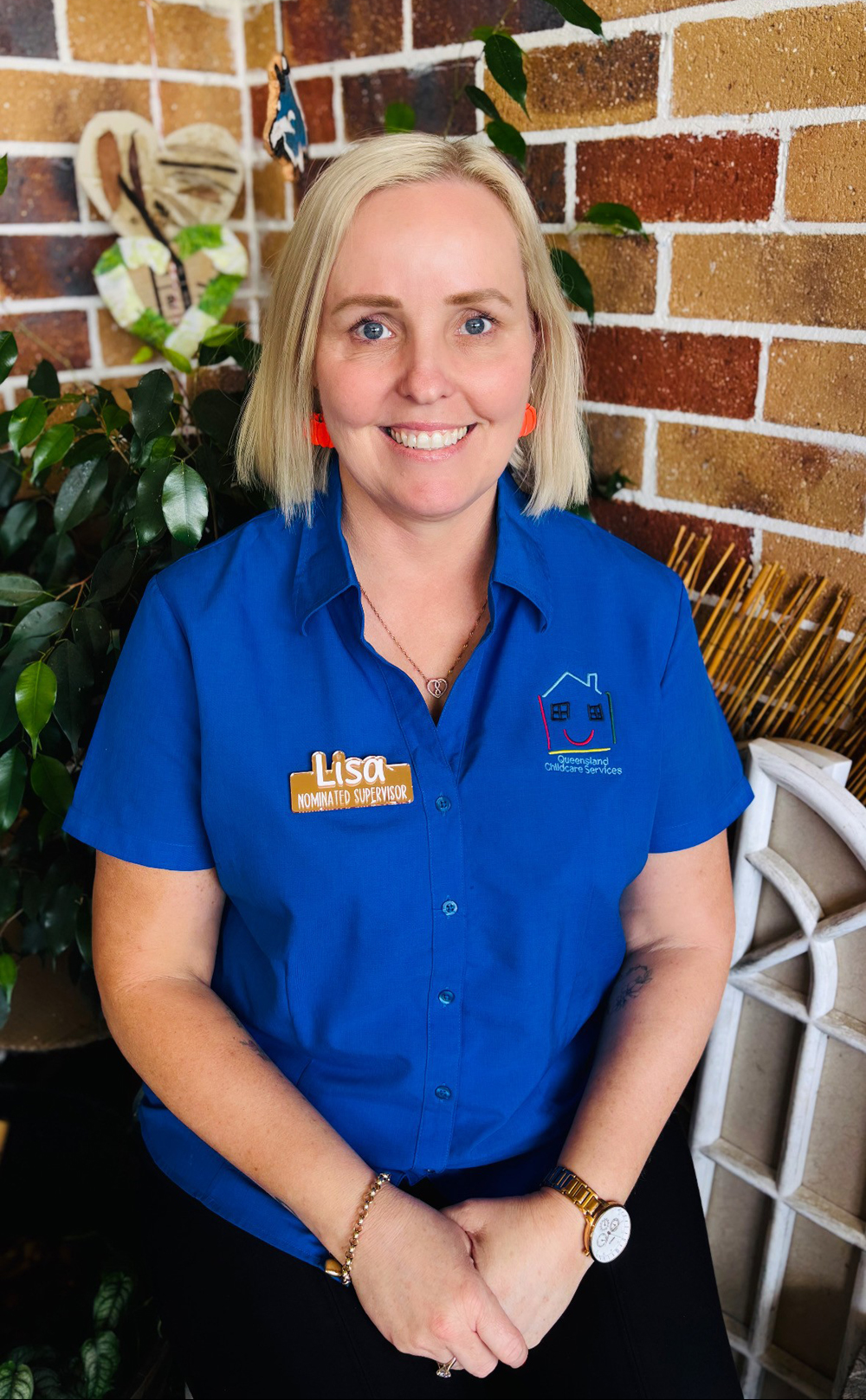
This curriculum sounds technical, but it actually has a lot of heart, and Lisa Harris is here to help you wrap your head around it!
Lisa is the Nominated Supervisor at Winston Glades Early Education Centre & Preschool.
Winston Glades has a near-perfect KindiCare Rating of 9.9, and an Excellent Rating from the Australian Children’s Education and Care Quality Authority.
This tells us that their curriculum is first rate, and along with 23 other Queensland Childcare Services (QCCS) centres, they deliver an emergent curriculum.
So, what does this mean for early learners?
Well, Lisa explains that, “At its heart, emergent curriculum sees children as the leaders of their own learning.”
This approach deeply values children’s thoughts, ideas, voices and curiosities; and an emergent curriculum isn’t something that’s set in stone.
Instead, it’s flexible and responsive to the ever-evolving ideas of children, and early learners are encouraged to wonder, explore and discover – developing critical-thinking skills along the way.
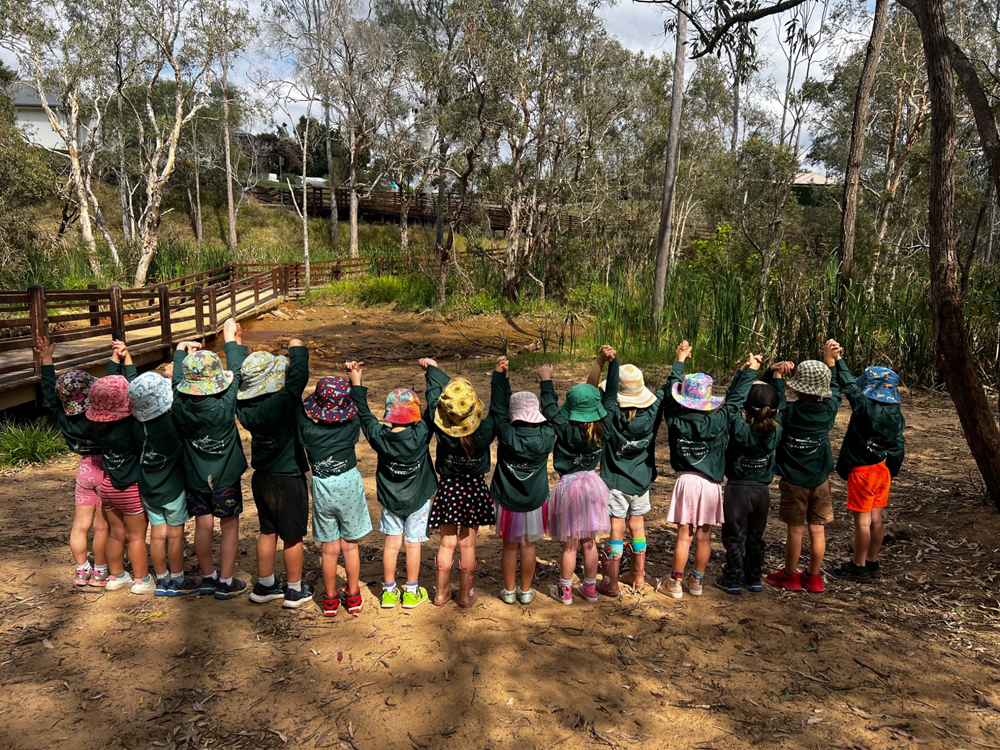
Lisa explains that with an emergent curriculum, educators follow the natural curiosity of each child.
And instead of being instructional teachers, they are co-learners who support under-fives to:
- Experience the world and build their understanding of it
- Take age-appropriate risks, and
- Practise asking questions and finding answers, with prompts like, “I wonder what will happen if…?”
All of this helps to build the foundational skills that little people need for lifelong success; and because 90% of a child’s brain development happens in their first five years, this way of learning has a huge influence on the little grey cells.
Lisa explains that an emergent curriculum, “Motivates young children to seek knowledge, enhancing the neural connections that are created in those crucial first five years,” and although this is a serious business, there’s lots of fun to be had!
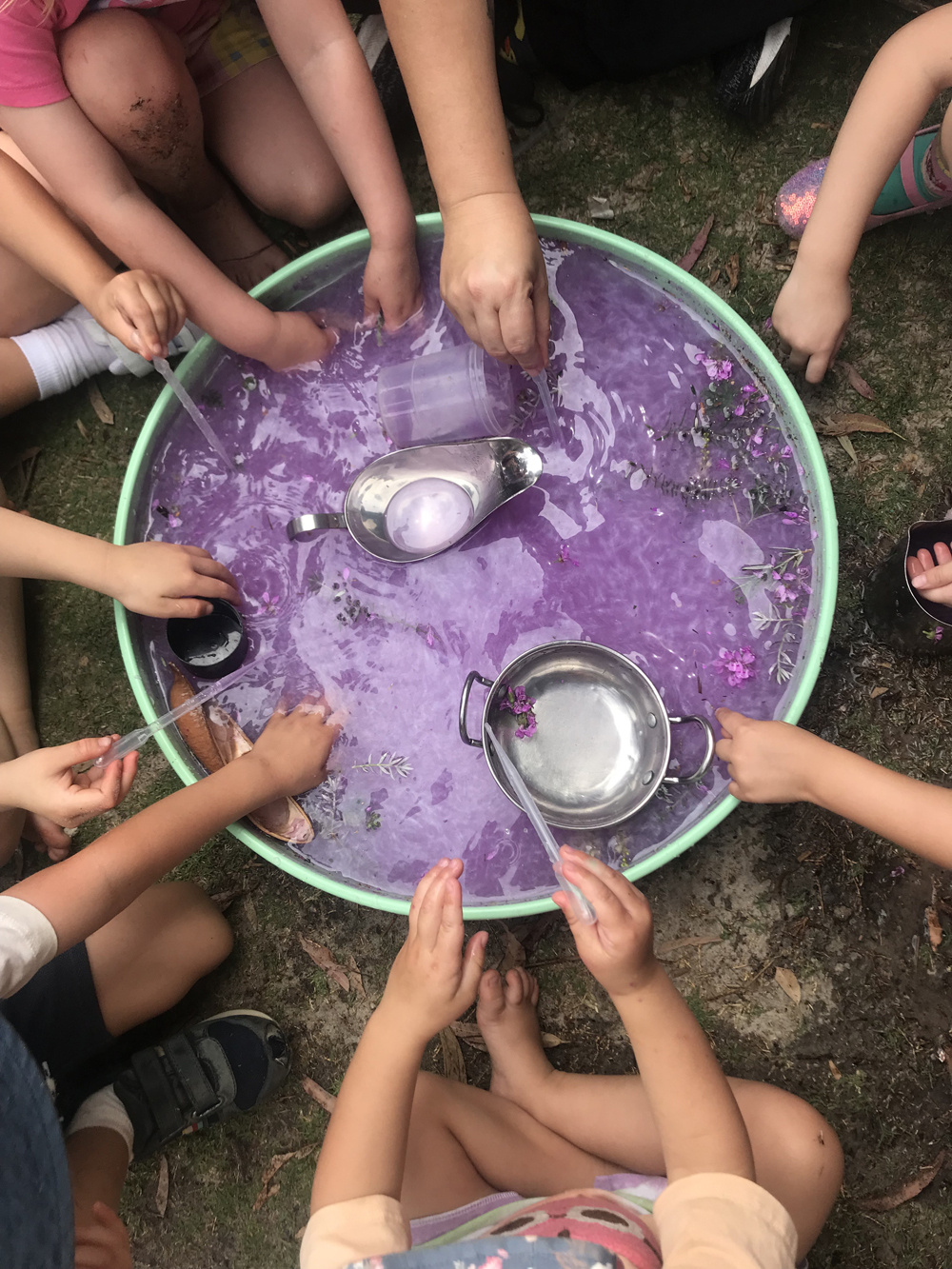
The responsive nature of an emergent curriculum means that it leans in to children’s interests, and plays out in many different ways.
For example, Lisa explains that during Bush Kindy recently, the children noticed mushrooms growing alongside the path and trees, and began to share their theories about how the fungi came to be there.
She says, “This sparked a line of inquiry exploring the concept of mushrooms. One child expressed that if they were to eat them, they would turn into a robot, while another suggested that fairies were having tea parties inside the mushrooms.”
The educators documented all the children’s ideas and curiosities in a floor book, and Lisa explains that, “The children and educators engaged in the inquiries together, as co-learners.”
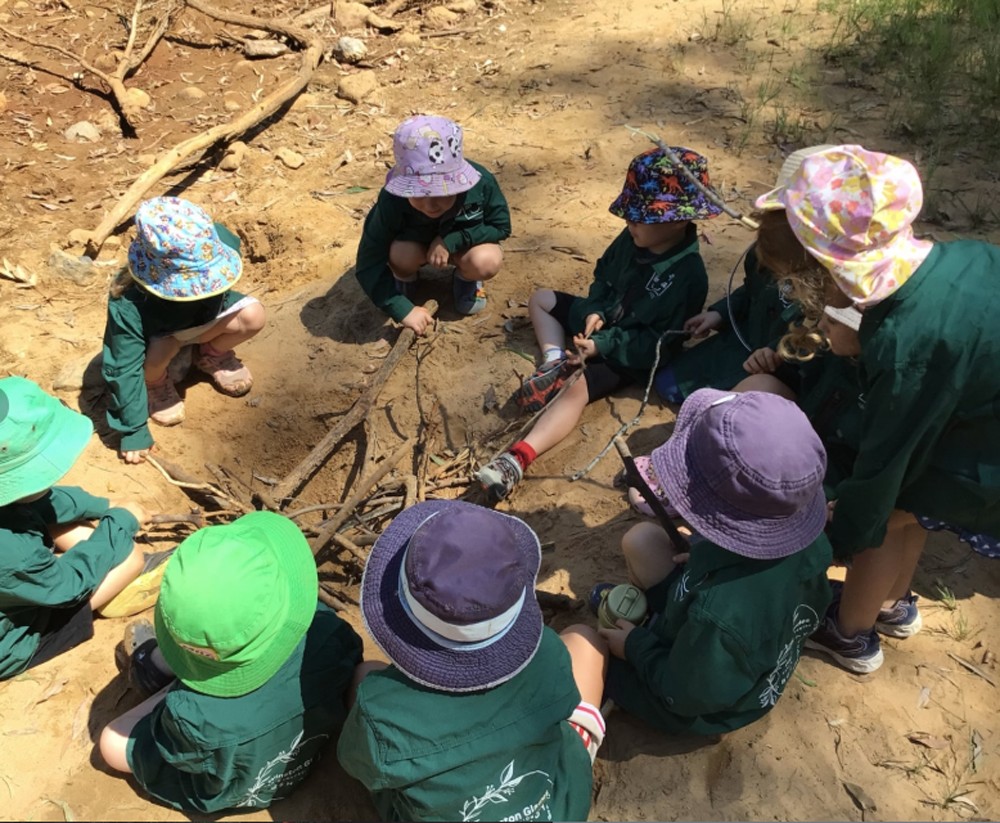
Emergent curriculum can also mean that educators look at children’s play urges, and offer ways to extend them.
So, for example, if an educator sees that some children are working together on a block tower, they might respond by offering some ladders that the children can experiment and problem-solve with, as part of their build.
And if an educator notices that a baby is putting items into a box, over and over again, they might respond by providing lots of different containers, and introducing lids and natural items for the baby to explore.
In both cases, the educator would then ‘curiously observe’ to see how each child responded to the new play things.
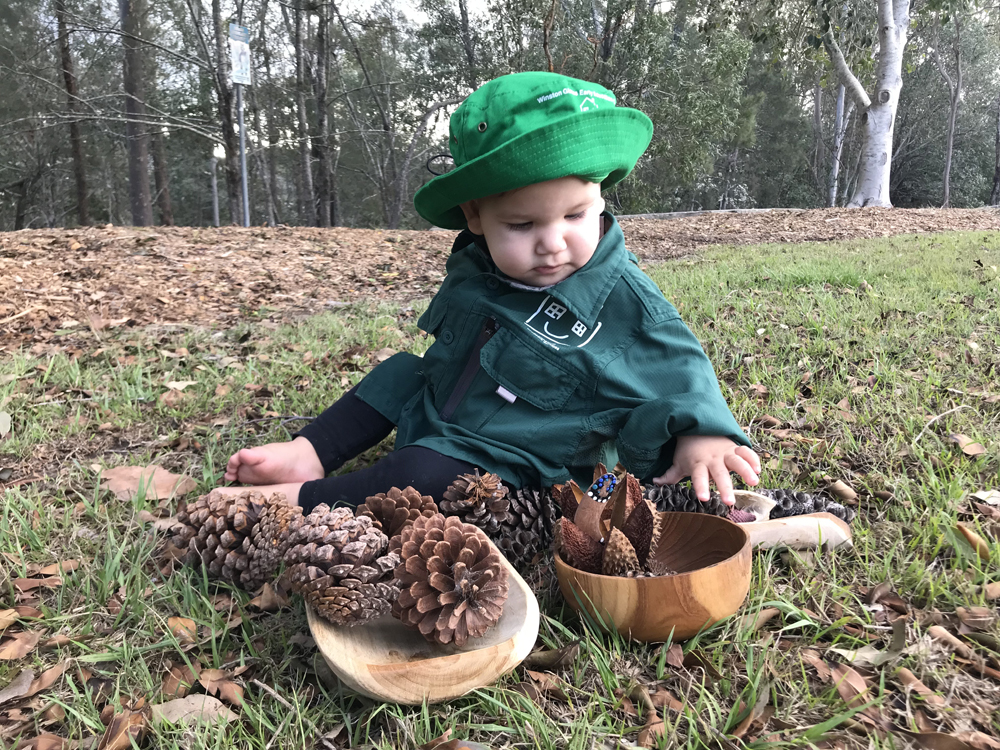
All in all, an emergent curriculum supports children’s brain development in the crucial first five years, and teaches them how to build knowledge, share viewpoints, test theories, and embrace life as an active learner.
This means an emergent curriculum is a great thing to look for when touring a centre, and Lisa says you can identify this kind of curriculum by:
- Asking team members about the service’s philosophy and pedagogy
- Asking them how children are involved in curriculum decision-making, and
- Observing how children and educators interact, while listening for those ‘I wonder…’ questions.
You can easily compare services and book tours with the KindiCare App or kindicare.com.
And although Winston Glades is a particularly outstanding centre, there are lots of quality services around Australia delivering incredible curriculums, and we’re here to help you find a wondrous one!