


Everyone Loves Playgroup!
Why playgroup is the perfect outing for your young family.
BY HEJIRA CONVERY, KINDICARE
Going to playgroup is a bit like watching Bluey, because it’s something that both you and your young child will genuinely enjoy!
As well as being entertaining, playgroup is also casual, social, educational, affordable and inclusive.
There’s a session to suit every baby, toddler and pre-schooler, and if you’re not able to attend playgroup, because of work or other commitments, then your child’s grandparent, family day care educator, nanny or other care-giver can easily go in your place.
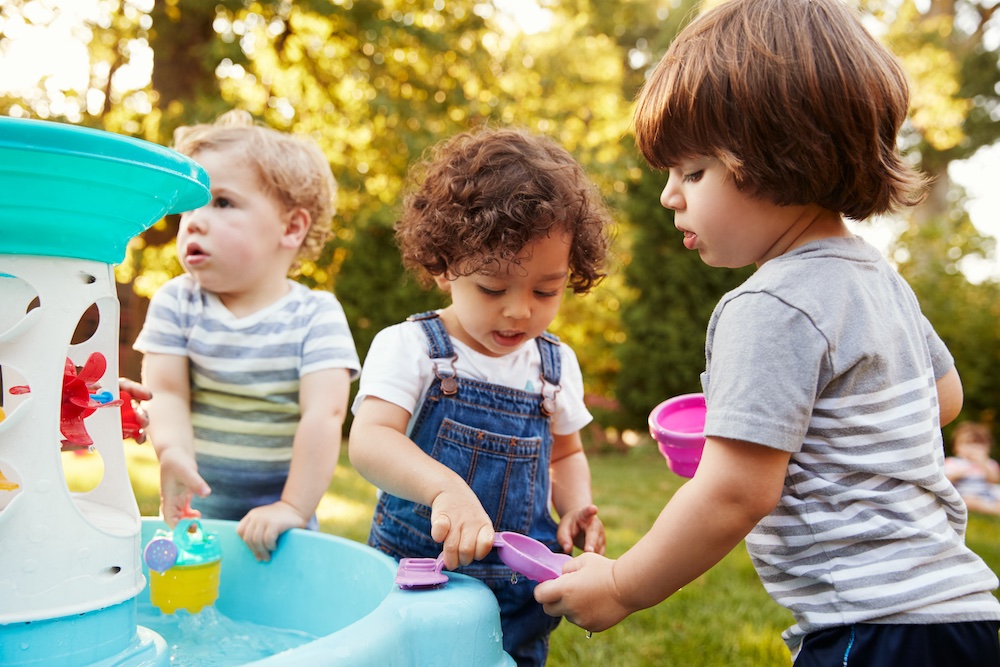
That said, there are Saturday playgroups to accommodate weekday workers, and with a little bit of research, it’s easy to find the perfect playgroup for your family.
Here’s what you need to know for starters!
1. There’s more than one type of playgroup.
In Playgroup Australia's network of playgroups, community playgroups are your most common option.
There are more than 7,500 of these dotted around the nation, in both urban and rural areas, and these playgroups are parent-led, with volunteer families and care-givers running them.
Each community playgroup is set up to meet the needs of its members, so although most of them are for children aged zero to school age, community playgroups may also cater to a specific age group, interest, language or culture.
Intergenerational playgroups are another option, and they’re great because they bring young children and senior citizens together for everyone’s enjoyment.
There are also supported playgroups for under eights with particular needs, such as neurodivergence or a physical disability.
These playgroups are service-led, with government-backing and professional staff to ensure that all children can reap the rewards of playgroup.
2. Playgroup sessions are flexible, fun and friendly.
Each playgroup has its own members, resources, venue and way of doing things, but all playgroups are focused on play and connection.
They bring young kids and grown-ups together for regular play and socialisation, and, generally, you can expect community playgroups to meet once a week during school term, for one to two hours per session.
As a guide, Amanda Walsh from Playgroup Australia says, “A playgroup session might start with group time and move on to outdoor play, visual art, storytelling and snack time.”
“Parents and carers work with their children, and with each other, to provide a fun, supportive environment for play and learning,” and there’s always flexibility.
Activities and experiences can change from week to week, depending on what the adults feel like setting up and what the children are interested in, and factors like weather and venue also make a difference.
Some playgroups are held in a green space, with room for outdoor games and nature play, while others happen in a hall or community centre, with toy boxes, craft bins and play equipment at the ready.
Special events, like National Playgroup Week (which runs from 20 to 26 March in 2023) can be woven into proceedings, and Amanda says, “Playgroups may also host visitors, who provide expert information on everything from childhood nutrition to local community groups.”
All in all, the whole playgroup vibe is relaxed and inclusive, with a focus on child-led learning and community-mindedness.
3. Playgroup is highly beneficial for children and care-givers.
Playgroup gets you out of the house for a couple of hours and gives you an excuse to make treats for morning tea, but its benefits go much further than simply filling in time and cupcake cases!
Playgroup is incredibly influential in your child’s early years, and this is because it provides:
- Play-based learning that supports your little one’s early childhood development
- Social support for you and other parents and care-givers; and
- Connections that build your community in a very real way.

Amanda explains that playgroup supports your child’s cognitive development, mental health and physical health in their formative first five years, and sets them up for school.
She says, “Research tells us that children who play at home and participate in community-provided play opportunities have better educational outcomes over the longer term. And children who attend playgroup are also more likely to be developmentally ‘on-track’ when they start school and make a positive transition to school.”
The social side of playgroup is also great for you!
There are friendships to be made, and the weekly sessions provide a regular opportunity to share the joys and challenges of child-raising with people who are going through the same stuff.
Amanda says these chats are important for your mental health and, “You can also pick up lots of valuable information and ideas at playgroup to support your parenting – all in a safe, encouraging environment.”
There’s also the opportunity to step up as a facilitator and flex your leadership skills.
There’s no pressure to do this, but it can be fun and fulfilling to run a playgroup – or set a new one up – especially if you’re taking time out from the workforce.
4. Finding a great playgroup is as simple as searching for childcare.
All you need to do is:
- Click the Find a Playgroup link for your state or territory playgroup organisation.
- Search for the suburb or playgroup type you’re interested in.
- Contact the person running the playgroup/s you like the look of, asking for session times and any other info
- Then go along to the playgroup/s with your child and see what you both think!

Once you commit to a playgroup, you will need to become a member of your state or territory playgroup organisation.
Depending on where you live, membership might be free for your family, but you can expect to pay a small fee (in the order of $2 to $5) for each playgroup session, to cover things like craft materials and venue hire.
5. Also, be aware that Australia’s first ever Playgroup Statement is hot off the press!
This evidence-backed document was released in late 2022 and it explains why playgroups matter.
You can read it in half the time it takes to watch a Bluey episode, and although your child won’t find this statement interesting, you very likely will.
Happy reading and have fun at playgroup!