


Giftedness at Preschool
See how a Gifted and High-potential policy can bring out the best in bright young brains.
BY HEJIRA CONVERY, KINDICARE
Although you won’t find many preschoolers reading Shakespeare and counting backwards from 10,000, a small yet significant percentage of under-fives can be described as ‘gifted.’
These young learners have advanced mental powers for their age, and although giftedness plays out in different ways in different people, there are a few characteristics and behaviours that can help to identify gifted children.
Under-fives who learn things fast, remember things exceptionally well and find it easy to concentrate for a long time may be gifted. And traits like curiosity, having amazing observational powers and being able to understand complex concepts may also point towards giftedness.
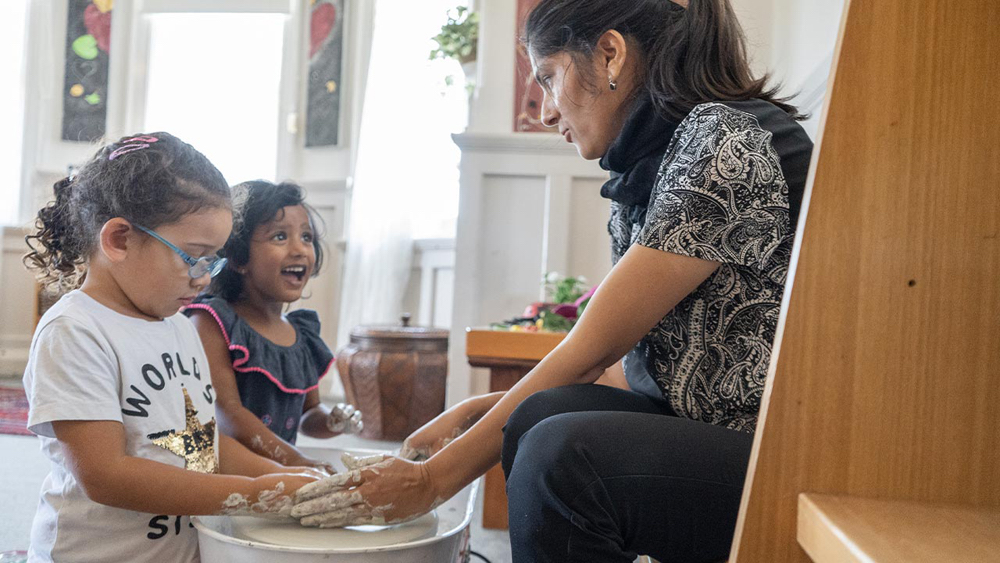
Generally, the more intense these traits and the more of them a child possesses, the more likely it is that they are gifted; and the big question is – how can early childhood educators best support these bright young minds?
To answer this, we’ve spoken with Akram Eshaghi, Centre Director at Uniting Airlie Preschool Oatlands.
Uniting Airlie Preschool is a Sydney-based service with a few gifts of its own!
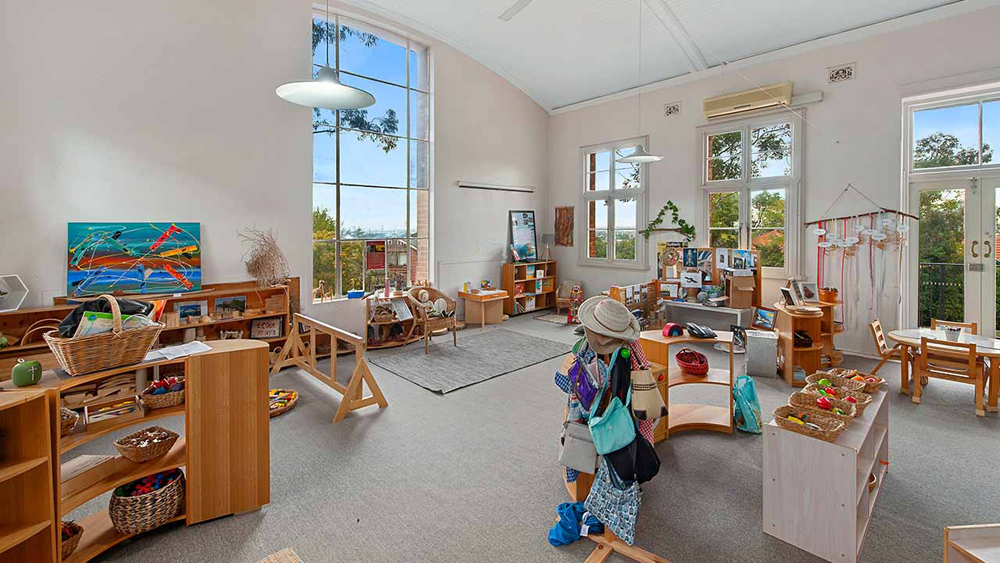
As well as having beautiful heritage premises, this service has an Excellent rating from the Australian Children’s Education and Care Quality Authority (ACECQA), and it’s a place where exceptional practices are part of the everyday.
Staff work closely with families and education experts when developing policies and delivering programs, and their Gifted and High-potential policy is an example of what happens when great minds work together!
Akram explains that this policy was developed with the help of Dr Cathie Harrison, an early learning and gifted education consultant, and it takes some of the guesswork out of giftedness.
The policy sets out Uniting Airlie Preschool’s principles of inclusion, equity and equal opportunity for gifted children at the service – and it’s helpful for early learners and their educators.
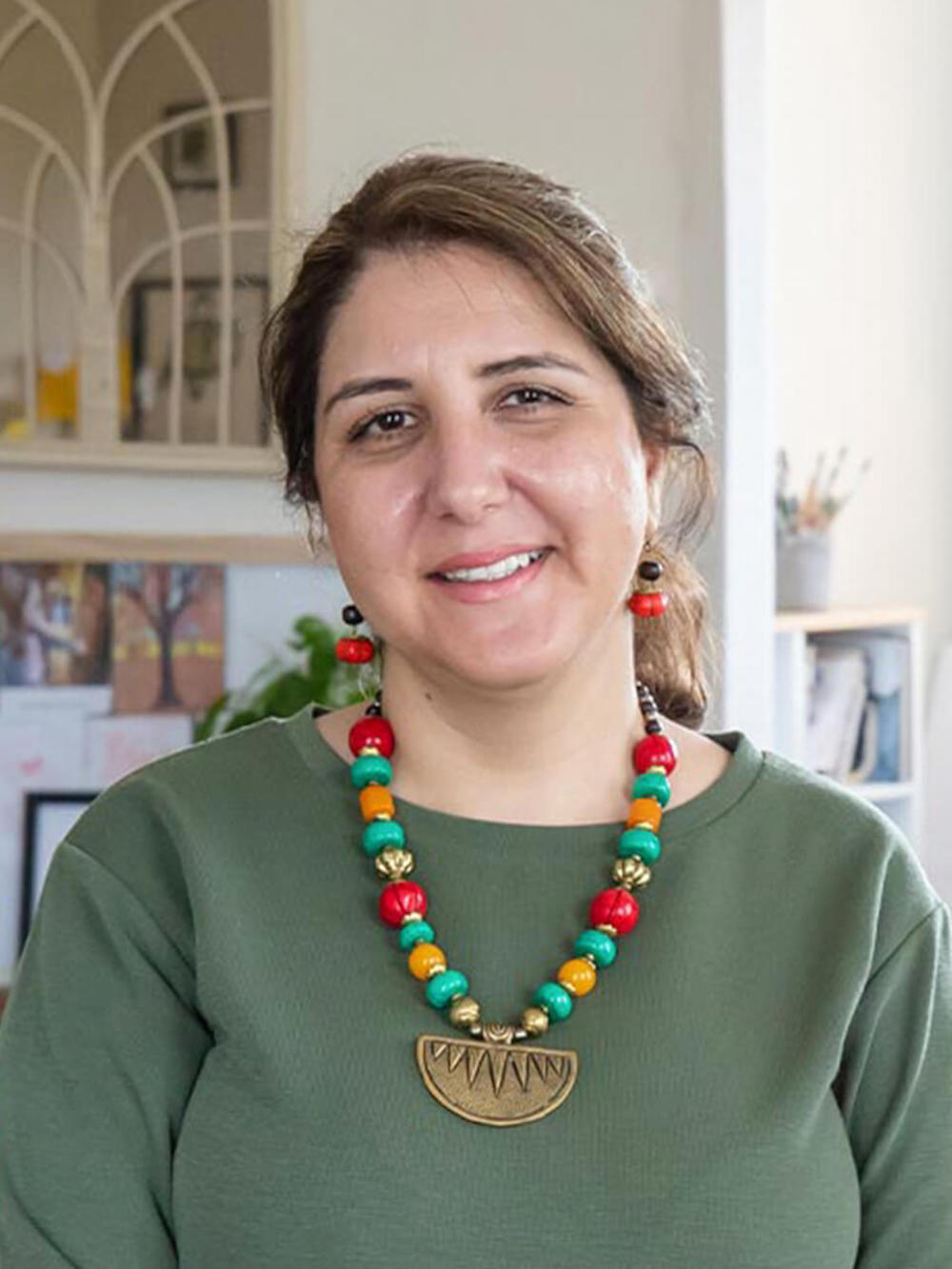
Akram says, “This document ensures consistency, suitability and continuity of practice amongst all educators when they’re identifying high-potential and gifted children, and then creating environments and learning opportunities responsive to them.”
The Gifted and High-potential policy guides educators as they devise a tailored education plan for each cognitively advanced child, and this plan isn’t just about academic learning.
The education plan supports the gifted child’s thinking and learning, while also catering to their social and emotional strengths and needs.
This is important, because giftedness can bring social and emotional intensity, awareness and vulnerabilities.
Akram says, “We’ve learnt that in comparison to their peers, a young gifted child not only has to deal with the complexities that come with advanced or accelerated development, but they also have a greater awareness of, and sensitivity to, the realities of the world they live in.”
“While to feel deeply is a precious gift, it can also be difficult for the gifted child to manage their intense emotions.”
Signs of giftedness may include emotional intensity, perfectionism and a strong sense of social justice, and at Uniting Airlie Preschool, educators are careful to monitor and look after children’s social and emotional strengths and needs. For example, through care for the Earth and social justice projects.
Education-wise, there’s a focus on gifted children’s potential learning ability, and early childhood educators nurture their cognitive skills in a responsive way.
For example:
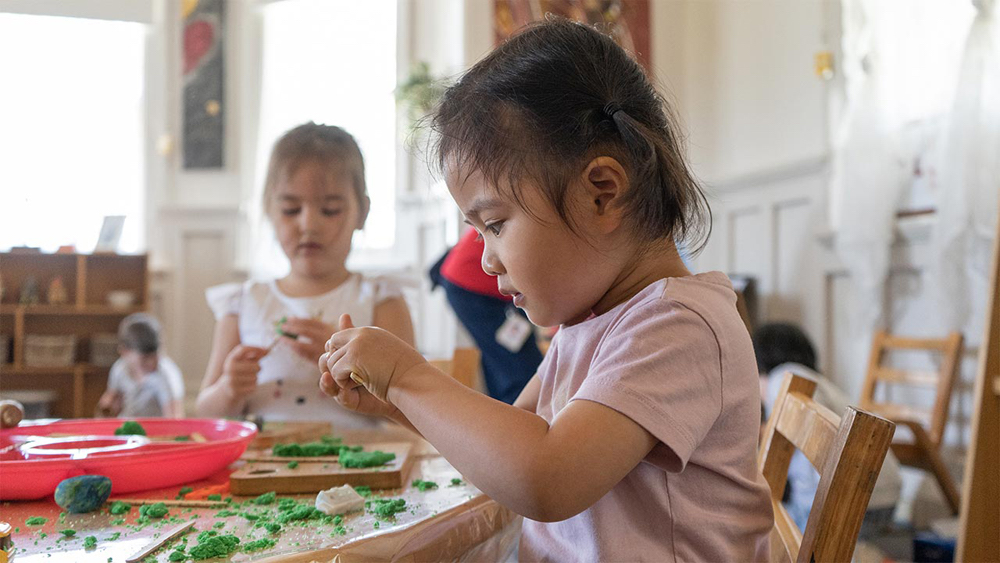
- Educators provide opportunities for gifted children to investigate, work and play with like-minded or older children for a substantial part of the day, with long blocks of time that facilitate deeper engagement.
- Learning programs are focused on the strengths, ideas and interests of each gifted child, and educators share challenging concepts and ideas with them to ensure children are using their creativity and capacity for analysis, reflection and evaluation.
- Additional resources are also shared with gifted children to encourage deeper thinking and both independent and collaborative research skills.
Of course, none of takes away from the high quality education and care that all children receive at Uniting Airlie Preschool Oatlands.
Inclusion and equity are key values at this preschool, and everyone adheres to the service’s philosophy of valuing, honouring and celebrating the diverse languages, cultures, knowledge, abilities and social backgrounds of this early learning community.
Every child’s individual strengths, needs and interests are looked after, and Uniting Airlie Preschool’s educators are always thinking about the best way to harness the potential of their under-fives.
There’s plenty of information-sharing between educators, families and experts like Dr Harrison, and the preschool’s quest for knowledge is ongoing!
Akram and her team are continually reflecting on, evaluating and adjusting their practices to do best by the children in their care, and their approach to giftedness is a great example of this.
Akram explains that, “As knowledge about giftedness is constantly being refined and challenged, we constantly reflect on, and re-define, the notion of ‘giftedness’ in the early years.”
“Going forward, we will continue to evaluate and adjust our preschool curriculum to better accommodate gifted children's strengths and needs, and help them reach their full potential.”
And this proactive, yet responsive, approach is what makes Uniting Airlie Preschool Oatlands so special.
To learn more about this service, explore KindiCare, and if you think your own child might be gifted, then it’s a good idea to speak to your educators.
Though they’re not trained to diagnose giftedness (like a Clinical Psychologist is), they will be able to share observations and thoughts with you, and can come up with a curriculum that will sustain your child’s interest, and extend their thinking in new and diverse ways.