


Listening Tips for Parents
It’s really important to listen properly to your preschooler, and here’s some sound advice from the parenting experts at the Raising Children Network.
BY HEJIRA CONVERY, KINDICARE
If you have a preschooler, you will have noticed that they have a lot more to say now than they did a year or two ago!
Little people learn many new words between the ages of three and four, and by the age of five, you can expect them to be stringing sizeable sentences together and talking about a whole range of topics.

This is exciting and entertaining, but if it sometimes feels a bit exhausting, then it is worth knowing how important your listening skills are for your child.
Derek McCormack, Director of the Raising Children Network says, “It is important for parents and carers to listen closely to their preschoolers, as it is this type of positive attention that helps children feel secure and validated – which is important for children’s development.”
Taking the time to hear about your preschooler’s everyday moments and great passions helps to build a strong parent-child relationship.
And by giving your preschooler the space to talk, you give them the confidence to flex their language skills, and grow their vocabulary, sentences and subject matter.

So, how can you be a great listener for your under-five?
Well, there are actually seven ways to show your preschooler that you’re listening to them (like, really listening), and this is what the Raising Children Network suggests:
1. When your child speaks, stop what you’re doing and give them your full attention whenever possible.
Obviously, there will be times when you can’t do this, but if you’re focused on folding some laundry, or about to make that call, then you can easily take a pause and treat your child’s chatter as a happy distraction.
And if you can’t listen, or need to cut your child’s story short, it is important to explain things to them and hear the rest when time allows.
For example, you might say, “We’re almost at kindy. Would you like to quickly tell me what happened, or finish your story later?”
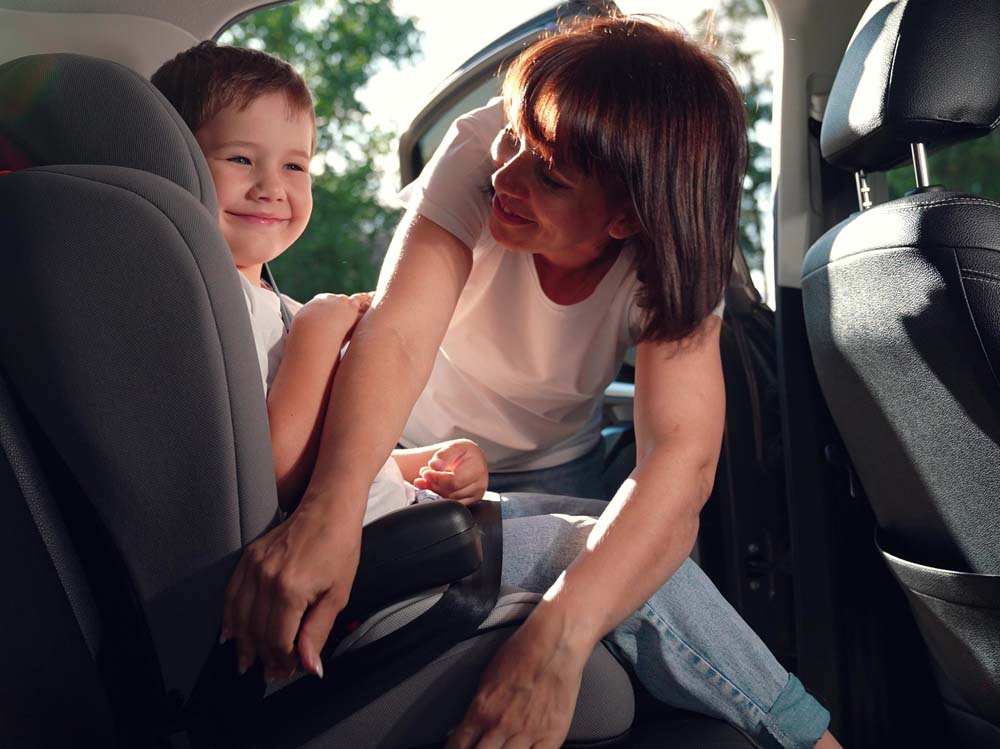
2. Bend down to your preschooler’s level and make eye contact.
This shows your child that you’re focused on them and what they have to say, which helps them feel secure and close to you.
Your preschooler will also be in a better position to understand what you’re saying when it’s your turn to talk.

3. Provide positive feedback when your child is speaking, such as a nod or a smile.
This shows that you’re making the effort to understand and encourage them, and you can also touch your preschooler’s arm to let them know that you’re interested, and care about what they’re saying.
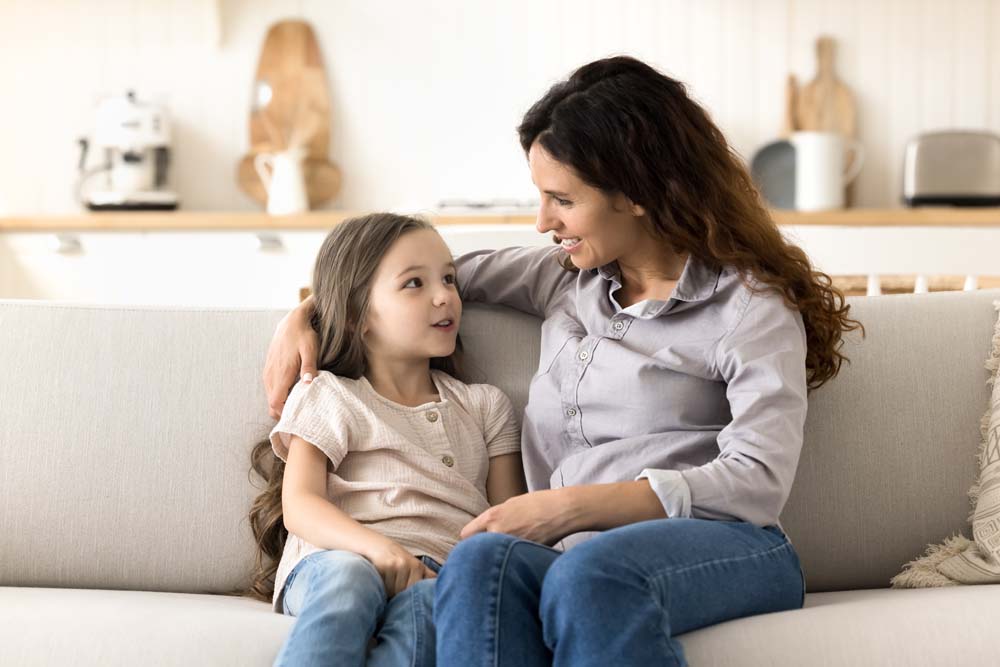
4. Tune in to your child’s body language.
As well as listening to what they say, look at the non-verbal ways your preschooler is communicating.
Their facial expressions and body movements will tell you a lot about their thoughts and feelings, and they’ll feel ‘heard’ when you respond to their body language with your own.
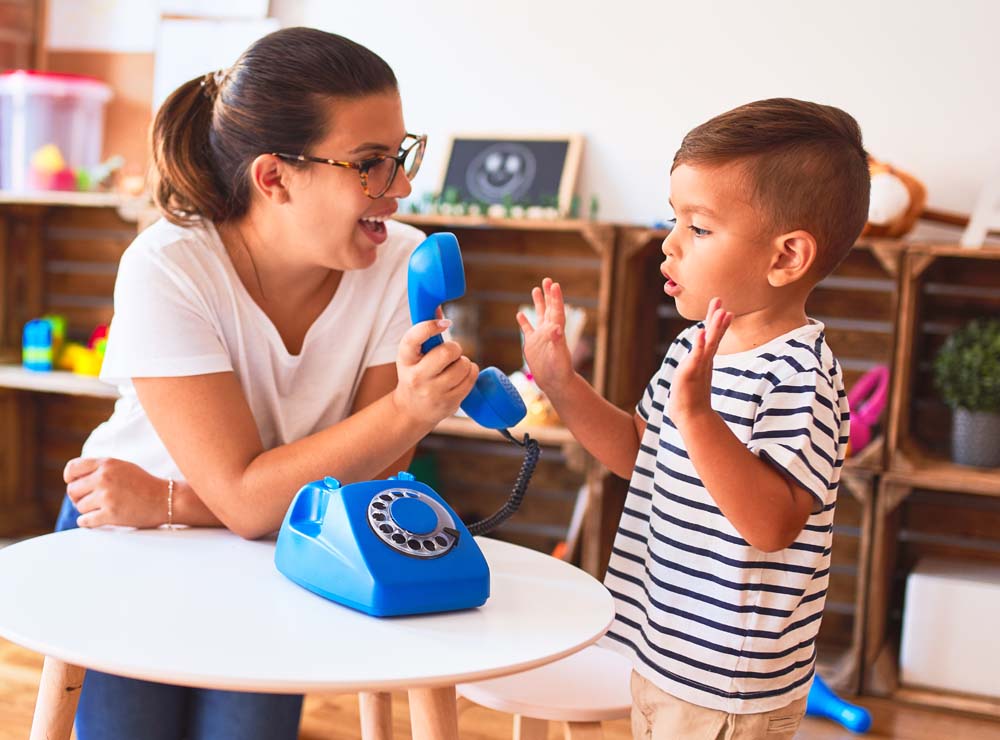
5. Look for clarification if needed.
Language skills take years to perfect, and if you’re not sure what your preschooler is trying to say, then summarise it back to your child to check that you understand their meaning.
So, for example, if your preschooler says, “At daycare I got sand and pat pat” you could say, “At daycare you played in the sandpit?”

6. Respond with real interest when your child tells you something.
This means that instead of giving them a vague, “Uh-huh….” you could say, “Really?” or “What happened then?”
And if your preschooler asks you a question, always take the time to give them a real answer – or look it up together, if it’s a mystery to you as well.

7. Avoid the temptation to interrupt your preschooler if they say, or use, a word incorrectly.
Turn-taking is an important part of conversation, so instead of interjecting, wait until your child has finished, then use the word properly when you respond.
So, for example, if your preschooler says, “I wide my cooter fast!” you can say, “Yes, you ride your scooter very fast!”

All in all, good listening isn’t just about using your ears.
It’s about giving your preschooler your full focus and positive feedback; and Derek explains that when you, “Respond with warmth and interest, it helps your child to build confidence and develop a healthy self-image.”
This will take them far as they learn and grow, and there are many ways that you can show your preschooler positive attention as you go about your normal lives.
One key way is to stop and pay close attention when your child talks to you, as discussed above.
However, Derek says, “Showing interest in the things that are important to your child, showing that you’re happy to see them after preschool or daycare, and creating some special family rituals to share together” are all great ways to give your preschooler the attention they need and deserve.
So, listen up, and enjoy these increasingly chatty years!