


Phones and Vapes Banned
From today, there are tighter child safety rules at early learning services around Australia, including swifter reporting of worrying incidents, and a ban on personal mobile phones and all vapes.
BY HEJIRA CONVERY, KINDICARE
Our federal, state and territory governments have been looking closely at child safety in the early childhood education and care space, and today, some key changes to the Education and Care Services National Regulations come into effect.

We flagged these changes back in June, and the following rules are now in place:
Abuse allegations must be reported within 24 hours.
In the past, approved childcare providers had seven days to report any allegations or incidents of physical or sexual abuse to a child at their education and care service.
However, from 1 September 2025, much swifter reporting is mandatory, and providers must notify their regulatory authority about these allegations or incidents within 24 hours, meaning that a response can occur more swiftly as well.

Vapes are now banned from every service in Australia.
It's been long-established that tobacco, alcohol and illicit drugs aren't allowed in service premises, and from today, vaping substances and vaping devices are banned too.
This closes a pretty obvious loophole in the law, and the vape ban is good for the health and safety of everyone attending a service.
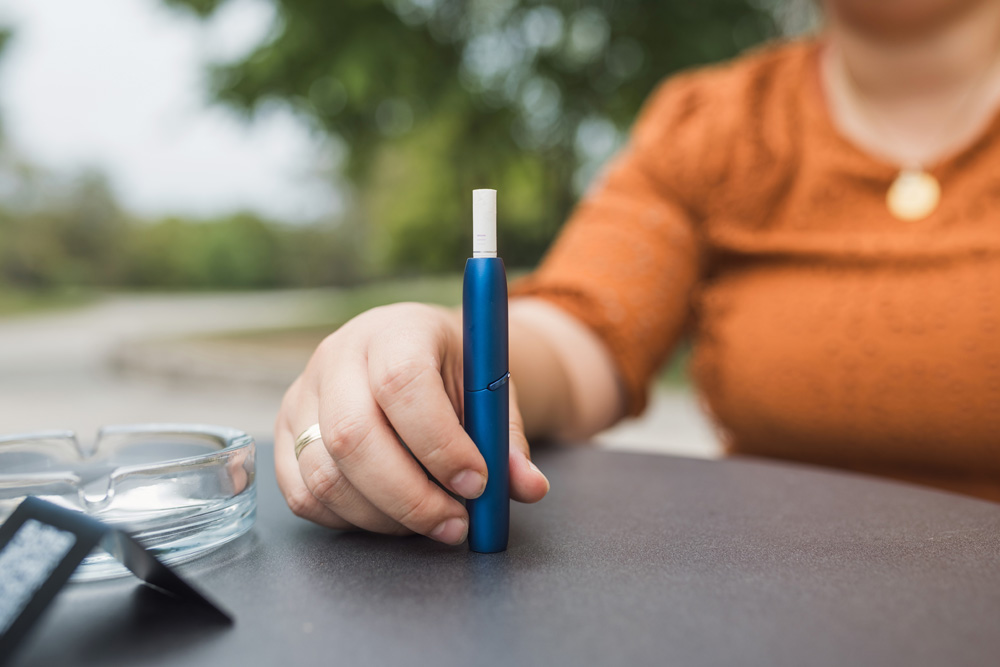
Personal mobile phones have also been given the flick.
From 1 September, personal mobile devices are banned in early learning services, and as the Australian Minister for Early Childhood Education has explained, the state and territory governments are responsible for implementing this change.
Day-to-day, the ban means that educators can’t have their personal mobiles with them when they’re working with children.
They can only use service-issued devices, and these are also being more tightly controlled from today.

As of 1 September, the amended Regulations ensure that every childcare service must have a policy and procedures for the safe use of digital technologies and online environments at the service.
This means each centre needs to have a clear and safe direction when it comes to:
- The use of any digital devices issued by the service (such as mobile phones);
- The use of digital devices by children; and
- The use of optical surveillance devices (such as CCTV).
The service must also have a safe approach when it comes to the taking, use, storage and destruction of images and videos of children; and parents’ consent to them.
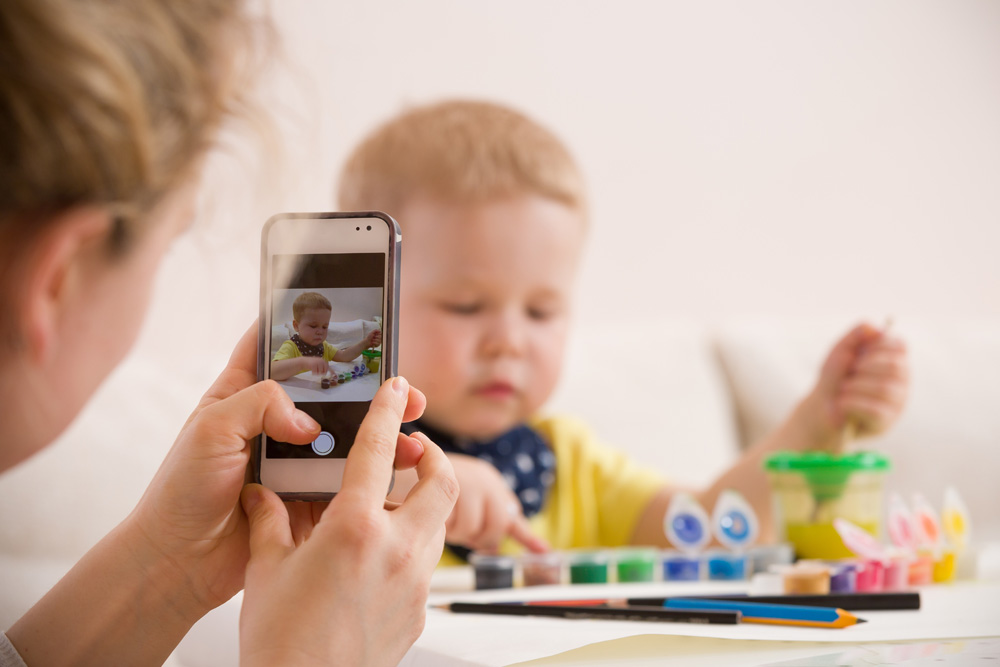
These changes will help to keep children safe in the early learning space, and there are more changes coming.
As we reported in this KindiCare article, Australia’s federal, state and territory Education Ministers have agreed to a substantial package of child safety reforms, which means that:
A national register of early childhood educators will be set up to keep children safe across state and territory borders.
Childcare providers will start adding educators’ details to this national register from December 2025, and it’s anticipated that the register will be active (and mandatory for providers) in February 2026.

There will be a trial roll out of CCTV at up to 300 childcare centres around Australia.
This trial will start from October and November 2025, and the Australian government is supporting small and medium-sized childcare providers (and especially not-for-profits) to install CCTV in their services.
A final report will be given to our governments sometime in 2026, and the Australian government will work with the Australian Centre for Child Protection to firm up the rules about how CCTV will be used in centres.
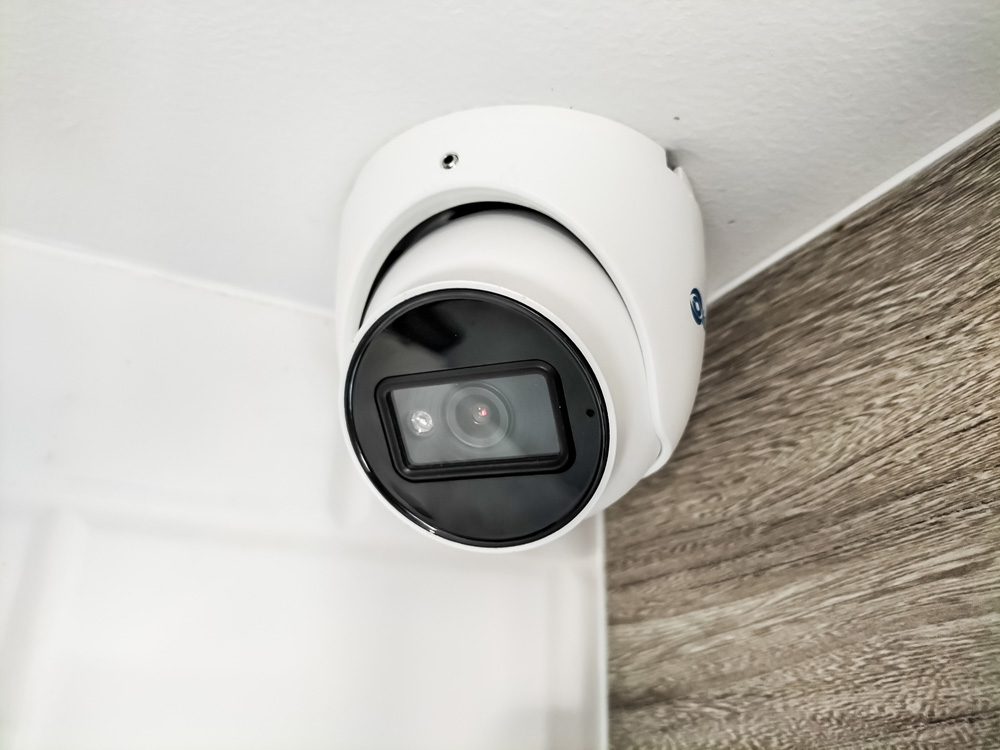
Every single early education employee will have to do mandatory national child safety training from early next year.
This will help to drive child safe cultures in services, and grants for the training will be rolled out from 1 July 2026.
There will be more early childhood education and care information gathered and provided.
The federal Department of Education will conduct an extra 1,600 spot visits to services.
Parents will also be given more information about the performance of their child’s early learning service, such as when the regulator last visited the centre, and if the centre has breached any national standards, or had conditions placed on them by the regulator.
And from 1 January 2026, childcare providers will see some changes to the National Quality Standard.
The wording in Quality Areas 2 and 7 will be tweaked to bring child safety precisely into focus.

All in all, the new rules make sense for childcare families and providers, and child safety remains firmly on our Education Ministers' agenda.
They will meet again in October to talk about child safety reforms.
And if you have any questions about how the new rules will work at your current or prospective early learning service, then feel free to enquire with staff.