


Safe Sleep at Childcare
You can rest assured that there are regulations and recommendations in place to help your child snooze safely while at care.
BY HEJIRA CONVERY, KINDICARE
Whether your little one is having a quick nap or a long sleep during the childcare day, you want to be sure that they are snoozing safely.
Safe sleep practices are just as important at care as they are at home, and although your childcare service must have policies and procedures around sleep and rest, it’s important that they align with the National Regulations, best practice recommendations and your own values.
It’s also important that your service is across the legislative changes around sleep and rest that are coming soon; and to help you get your head around all of this, we’ve sought advice from Red Nose Australia.
Red Nose is the recognised national authority on safe sleeping for infants and children, and their best practice guidance underpins how services do things, and the laws they have to abide by.

Red Nose has six safe sleeping recommendations that are evidence-based.
These recommendations are for children under the age of 12 months, and to keep your little one safe in the land of nod, Red Nose recommends that:
1. Your baby should always be placed on their back for sleep, not on their tummy or side
2. Your baby’s face and head should be kept uncovered
3. Your baby should be kept smoke-free before and after birth
4. Your baby should have a safe sleeping environment night and day
5. Your baby should sleep in your room for the first six months, and
6. Your baby should be breastfed if possible.
You can explore each recommendation by clicking the links above, but for starters, it’s important to know that a safe sleeping environment means your baby is sleeping on a firm, clean, flat and well-fitting mattress in a safe cot that meets industry standards.
It also means that their bedding is secure, without any loose or soft things in their cot, such as a doona, hat or pillow.

Where the Red Nose recommendations can’t be followed, like in the childcare setting, there is scope for interpretation.
Given that your baby won’t be sleeping in your room while they’re at childcare, recommendation number five translates as ‘continuous supervision’ in the childcare environment.
Red Nose says, ‘Best practice is that children should always be in sight and hearing distance of a qualified staff member, so they can physically check on their breathing and the colour of their skin – and intervene if something goes wrong.’
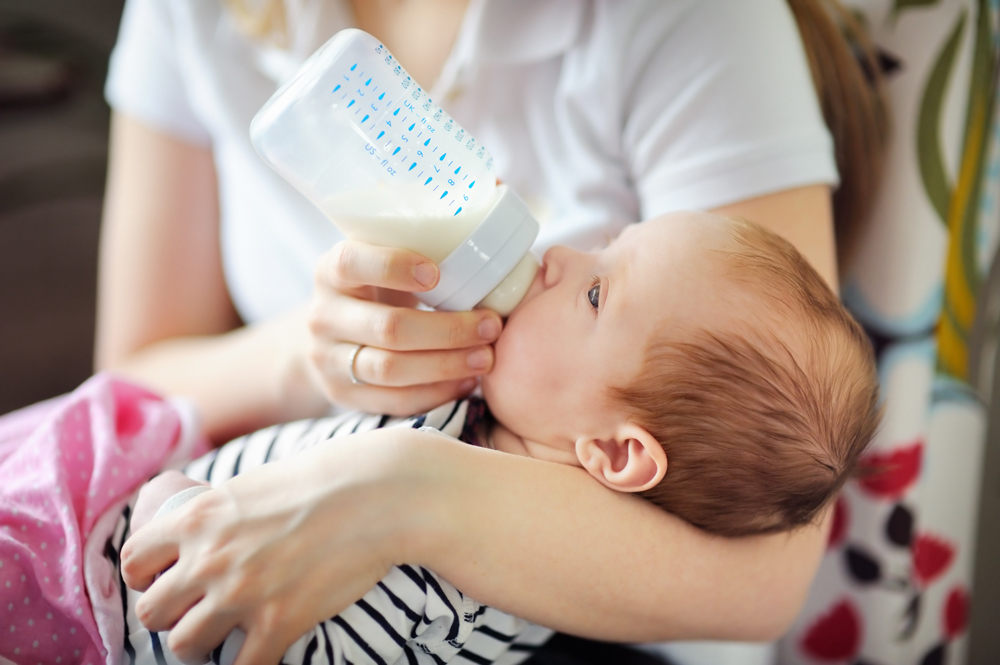
And when it comes to breastfeeding, services can support recommendation number six by providing a safe, comfortable and private place to feed your baby, and/or supporting your breastfeeding by storing your expressed milk and feeding it to your little one.
The National Regulations that govern education and care services have specific rules that tie in with the recommendations.
There are Regulations around things like supervision, tobacco-free environments, and the state of a service’s premises, furniture and equipment, which you can touch on here.
And because every childcare service is unique (like every child!), the National Regulations recognise that each service needs its own policies and procedures for children’s sleep and rest – tailored to its operations and consistent with the safe sleep recommendations.
The best way to understand how your service does things is to read their sleep and rest policy, and check that it lines up with Red Nose’s recommendations and your own values.
The Red Nose Advice Hub has loads of resources if there’s a particular policy or procedure you’re wondering about, and you can ask a specific question here or contact the Red Nose Education team at education@rednose.org.au
If you’d like to speak with an expert, there’s also the option of calling the Red Nose Safe Sleep Advice Line on 1300 998 698, Monday to Friday from 9am to 5pm.
Red Nose says, ‘You should also feel empowered to ask whether the staff at your childcare centre have undergone Red Nose safe sleep training.’
This gives centre directors, nursery staff and educators a thorough understanding of sleep safety in the early learning environment, and it gives you peace of mind that they know how to greatly reduce the risk of sleep problems at childcare, and also how to respond if something bad should happen.

Keep in mind, too, that there are new legal requirements around sleep and rest coming soon, which affect parents as well as providers.
A big change is that from 1 October 2023, bassinets are being banned in education and care services, including childcare centres and family day care.
This change is happening nationally (although Western Australia will bring in the ban a bit later on), and it means that bassinets won’t be allowed on the premises of any childcare service, including when families drop off and collect their children.
This supports the idea that the safest place for a baby to sleep is usually in a safe cot, and Red Nose tells us that, ‘Unlike cots, there are no Australian safety standards for bassinets, and babies have been seriously injured when their bassinet has tipped over, the bottom has broken, or the folding legs have collapsed.’
If you’d like to sleep your baby in a bassinet at home, because they do take up less space than a cot, then this Red Nose article will help you choose and use a bassinet safely.

From 1 October 2023, the sleep and rest policies and procedures for education and care services are also being enhanced.
This means childcare services must include matters prescribed under the National Regulations in their sleep and rest policies and procedures.
For example, they must address things like:
- How the sleep and rest needs of children are met (considering their age, developmental stage and individual sleep and rest needs), and
- How they consider families’ cultural preferences and requests when it comes to their child’s sleep and rest.
As part of preparing their sleep and rest policies and procedures, each service will also have to do a sleep and rest risk assessment.
This risk assessment must then be done every 12 months (at least), and as soon as possible after the service becomes aware of anything that may affect the safety, health or wellbeing of children during sleep and rest.

There’s quite a lot to the changes, which you can read about here, but in a nutshell, education and care services must take reasonable steps to ensure each child’s sleep and rest needs are met, according to their age, stage and needs, and Red Nose's resources are helpful for providers, as well as for us parents.
If you’re concerned or unclear about anything sleep- or rest-related, you can always talk to your centre director or educator, and it’s definitely a good idea to follow the Red Nose safe sleep recommendations at home to support sweet dreams and avert a nightmare situation.