


What is Physical Literacy?
See why learning through movement is so important for your young child + The Jellybean Gym shares five simple physical literacy activities to try at home.
BY HEJIRA CONVERY, KINDICARE
Ninety-percent of your child’s brain development happens in their first five years (true story!), and physical development is a massive part of this.
Your little one will learn to roll, sit, crawl, stand, walk and race around like a maniac, all before they blow out five birthday candles.
And to do this exciting stuff, they need foundational movement skills.
We’re talking about things like balance, coordination, strength and body awareness; and this is where physical literacy comes in.
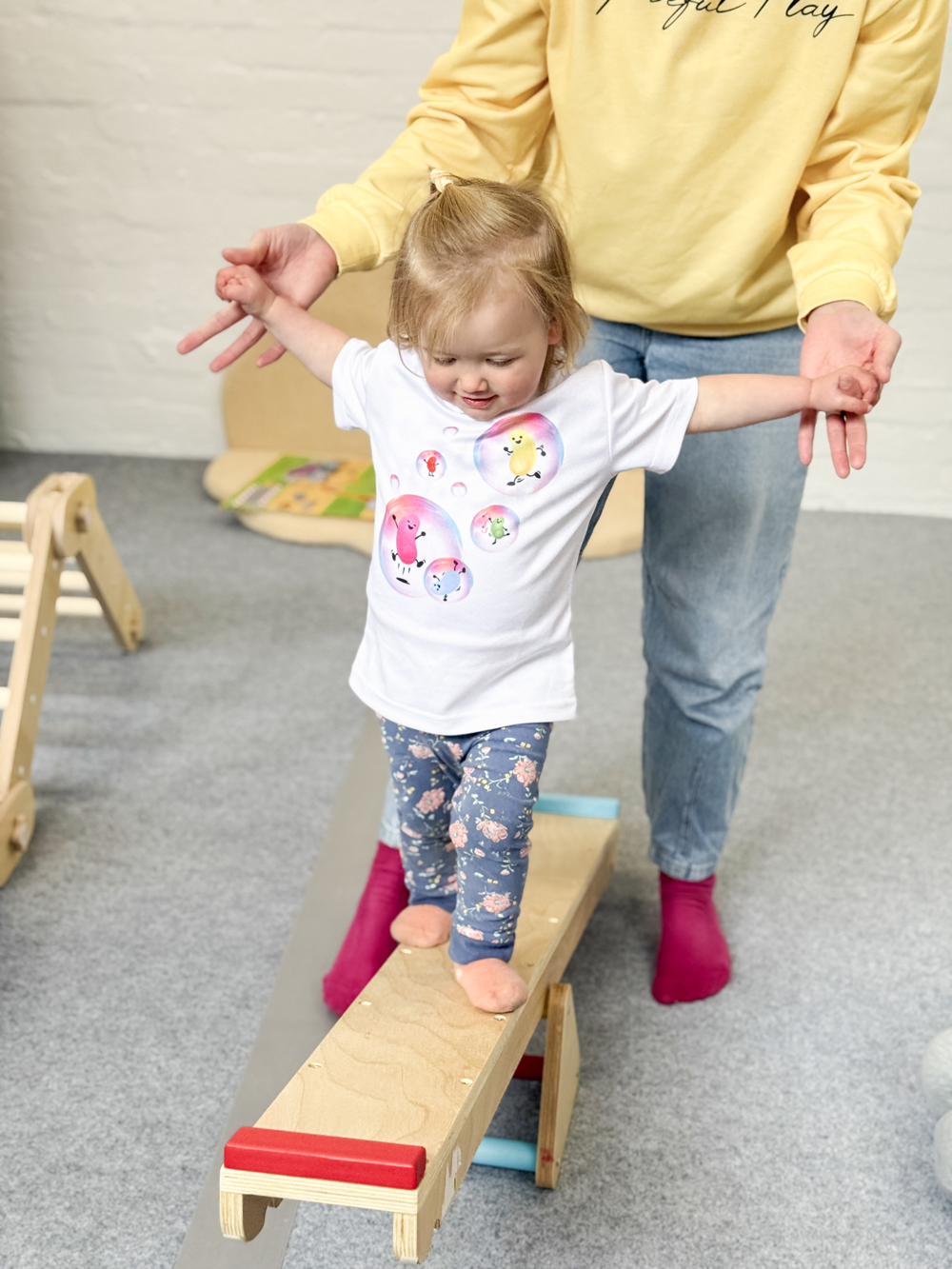
Physical literacy is a lot like English literacy. It’s about building strong foundations early, so more complex skills can develop later; and to learn more, we’ve reached out to an expert!
Jes runs The Jellybean Gym in Melbourne, which offers amazing physical literacy classes for ages zero to five.
Jes explains that physical literacy is about learning core movement foundations, so your child can do all those great things with their body.
However, it’s also about supporting their confidence, learning, and readiness for life.
There’s evidence that regular physical movement supports brain development in the first five years, and the more varied and purposeful this movement is, the stronger the neural connections become.
This means physical literacy activities can have a great influence on your child’s learning, attention, emotional-regulation and problem-solving as they grow.
But all good things take time!
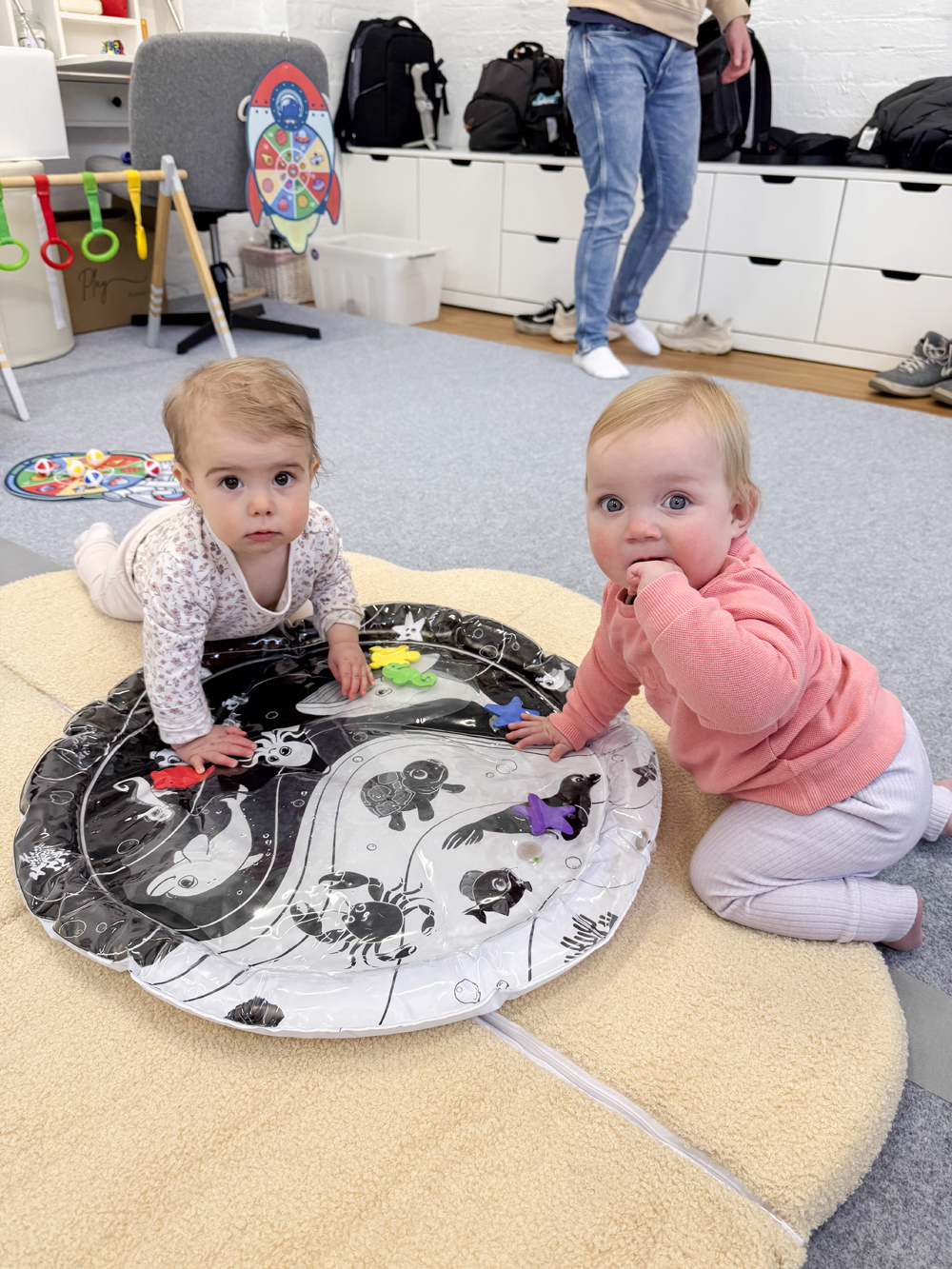
Physical literacy is something that develops through stages, not ages.
Jes explains that your child will move through these stages at different times, and the goal is to meet them where they are, while gently supporting what comes next.
This is something you can do at home, and depending on which stage your under-five is at, here are five physical literacy activities you can try, thanks to Jes!
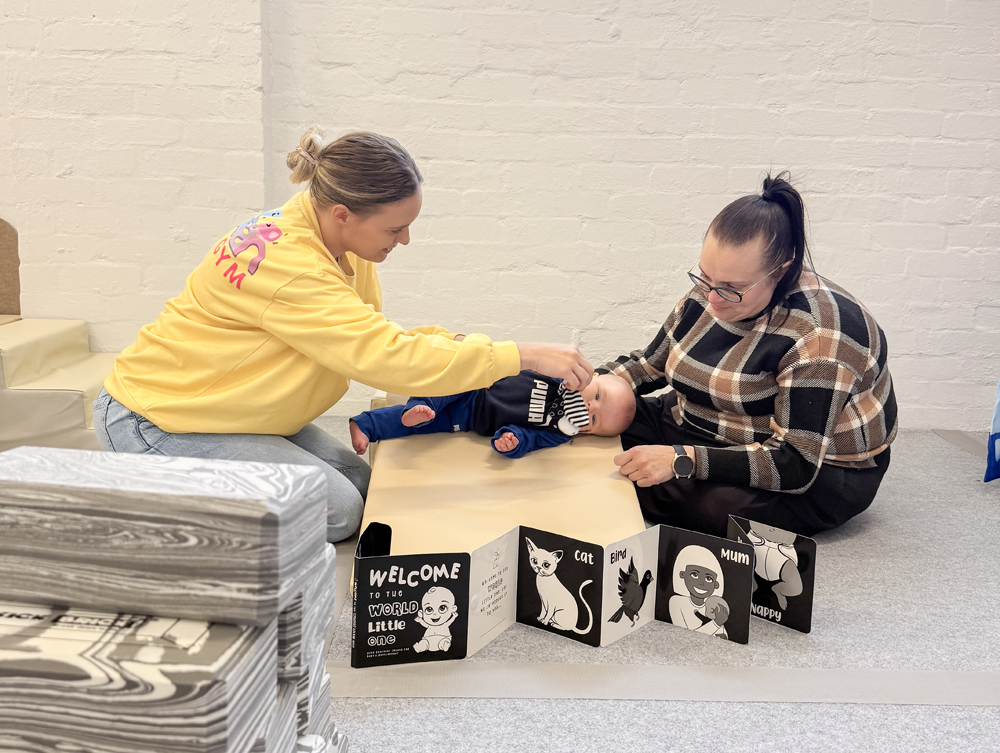
1. Tummy time with reach and turn
This is a great lying and early movement activity, and all you need to do is place a toy just out of reach while your little one is on their tummy.
This will encourage them to lift their head, turn and reach, which supports neck strength, shoulder stability, and body awareness.
2. Supported sitting and reaching
When your child is up to it, you can provide some support while they sit, then put toys at their side or in front to encourage reaching and gentle weight shifts.
This helps to build core strength, balance, and postural control (so they can stay upright).
3. Crawling, climbing and cruising
Moving through space activities help to develop physical literacy, and Jes says an easy one is to lay out some cushions, boxes or low furniture to create safe pathways for your little one to crawl over, climb or move along.
These movements will build coordination, strength, and confidence.
4. Everyday resistance play
Push, pull and carry activities also do a lot of good, and simple movements like pushing a basket, pulling a wagon or carrying toys will help to develop your child’s bilateral coordination (using both sides of their body at the same time), whole-body strength, and spatial awareness.
5. Simple obstacle courses
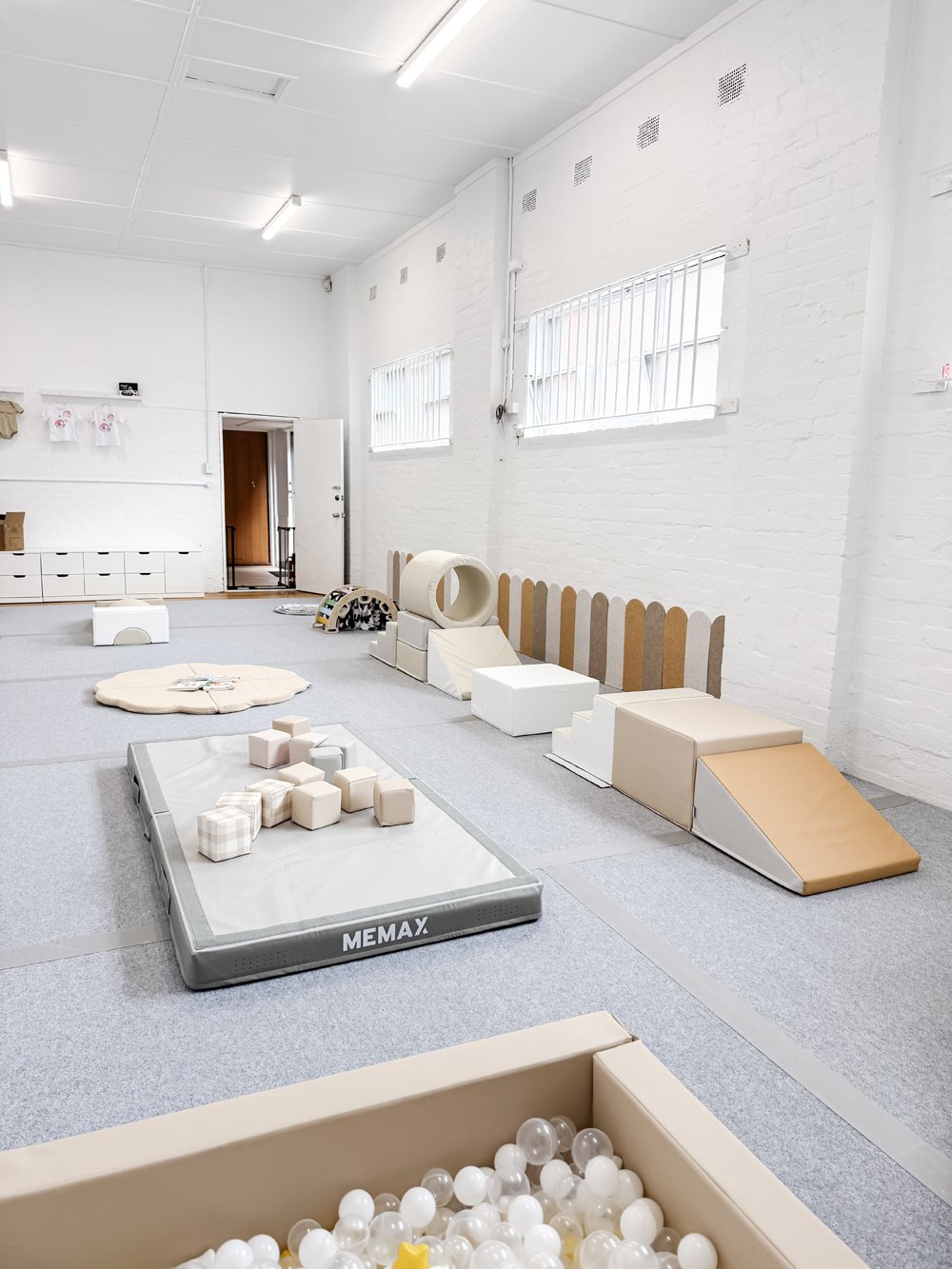
Obstacle courses are fun in the house or out the back, and you can create a short obstacle course using cushions, tunnels or stepping stones.
Encourage your child to crawl, balance, roll or jump through it in their own way, because this will build balance, agility, and motor planning skills (working out a plan of action for the path forward).
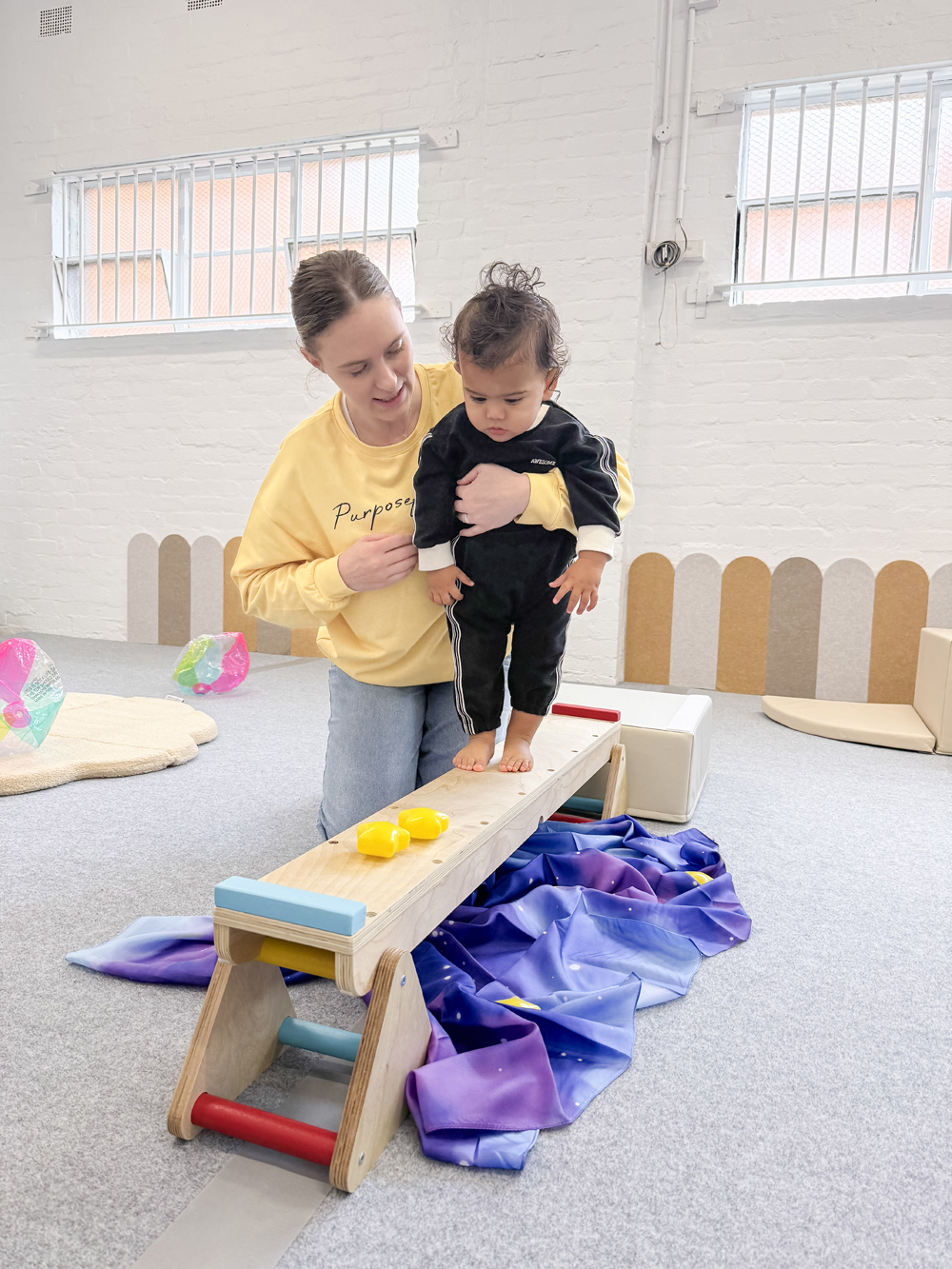
All five activities are easy to do at home, but if you want to learn from an expert, and meet families at the same stage as you, then jump into The Jellybean Gym!
Jes and her team run classes for babies, toddlers and preschoolers, and each weekly session focuses on one key physical literacy skill.
There’s a great mix of structured, purposeful play and flexy, social play to build strong physical foundations and confidence.
And as a parent, you’ll benefit from the classes too, because there’s lots to learn and friends to make!
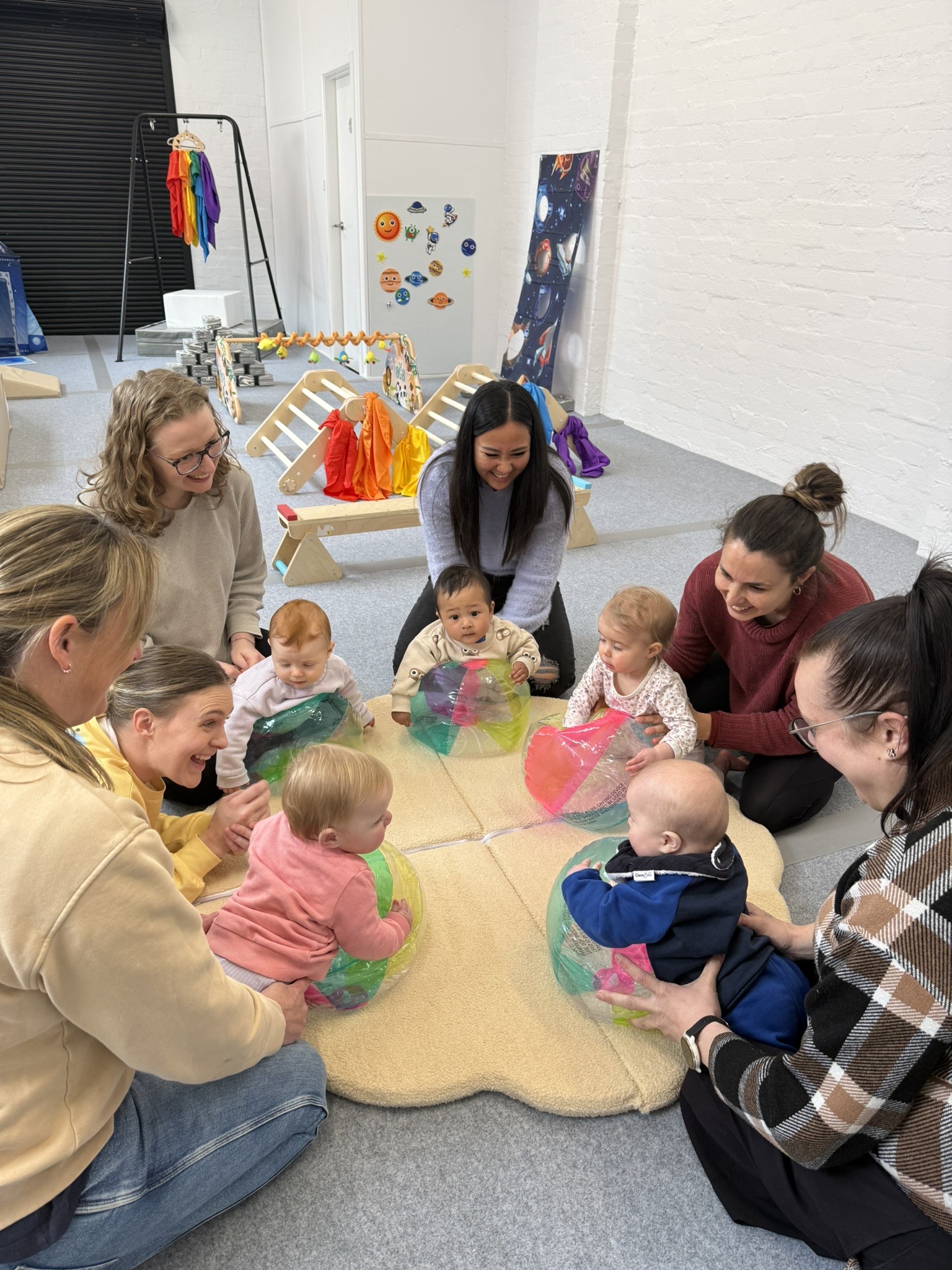
All photos courtesy of The Jellybean Gym, with some featuring the amazing black and white resources from Young Wonderer.