

21st Century Learning
See which skills your under-five needs for modern life, and how Story House Early Learning teaches them.
BY HEJIRA CONVERY, KINDICARE
It’ll be a while till your little one is toting an iPhone or tapping out prompts for ChatGPT, but 21st century learning is really important in the early years, and it doesn’t just relate to digital technology.
There’s creativity, emotional intelligence, teamwork and digital literacy woven in.
And instead of focusing on specific subject knowledge, like memorising the alphabet, 21st century learning equips your child with a whole skillset that includes:
- How to learn
- How to apply knowledge, and
- How to live well in a modern world.
This is vital for school readiness and life readiness.
And to navigate our fast-moving, interconnected world, 21st century learning recognises that your child needs to develop foundational skills, like:
- Creative and critical thinking
- Problem-solving
- Communication
- Collaboration
- Emotional awareness
- Adaptability, and
- A lifelong commitment to learning.
As your child’s first teacher, you’ll be guiding them as they develop these key skills.
But because so much critical brain development happens in the first five years, and 21st century skills are hugely influential, it’s also helpful for your little one to experience a high-quality learning program that’s been developed with a modern mindset.
So, let us introduce you to Story House Early Learning!
Story House is a forward-thinking childcare provider with services on the East Coast, and their STRONG Beginnings curriculum has been designed to develop all the key 21st century skills.
Suzie Wood, Head of Early Childhood Education at Story House, explains that STRONG Beginnings embeds these skills to form the foundation of how children learn, grow and thrive.
And because young children learn best through play, Story House’s learning experiences are play-based and child-led, with loads of careful thought behind them.
Suzie says, “Our educators purposefully plan and encourage natural inquiry and discovery throughout the day at our services and in the local community.
“And our curriculum recognises that children need freedom to test their limits, interact with others, solve problems, and build resilience to fail and bounce back.”
The STRONG Beginnings curriculum plays out in lots of different ways, but Suzie explains that some fun and future-focused activities include:
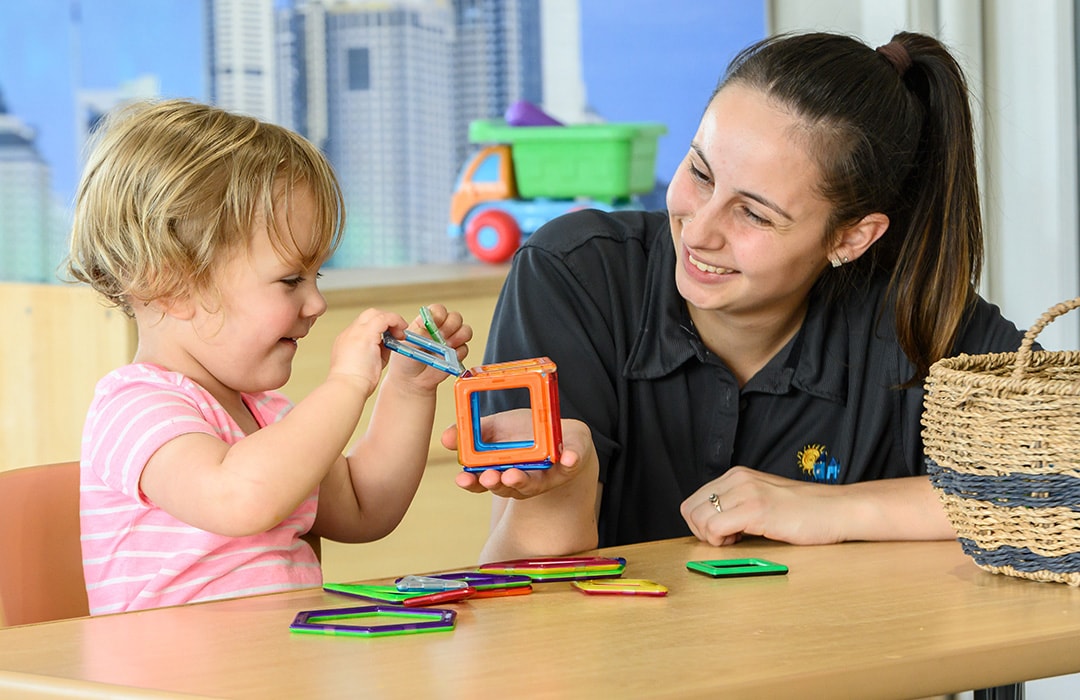
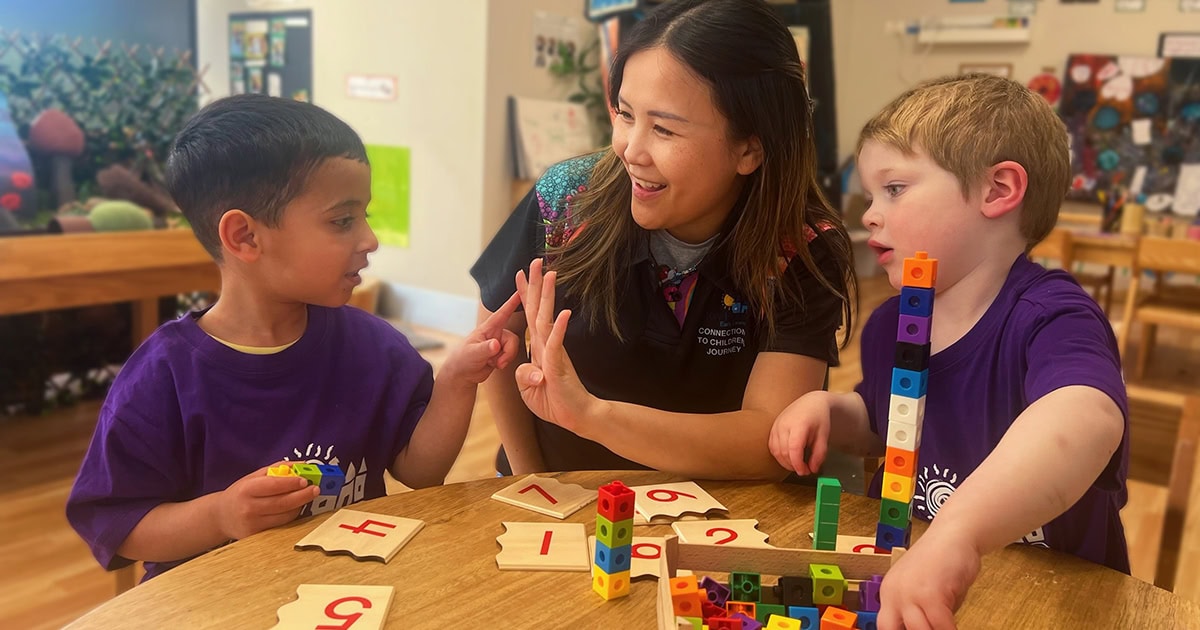
- Collaborative block and construction play to build children’s problem-solving skills, teamwork and creativity.
- Role play and dramatic play to develop communication, empathy and social understanding.
- Group storytelling, songs and discussions to strengthen language, listening and children’s confidence in expressing ideas.
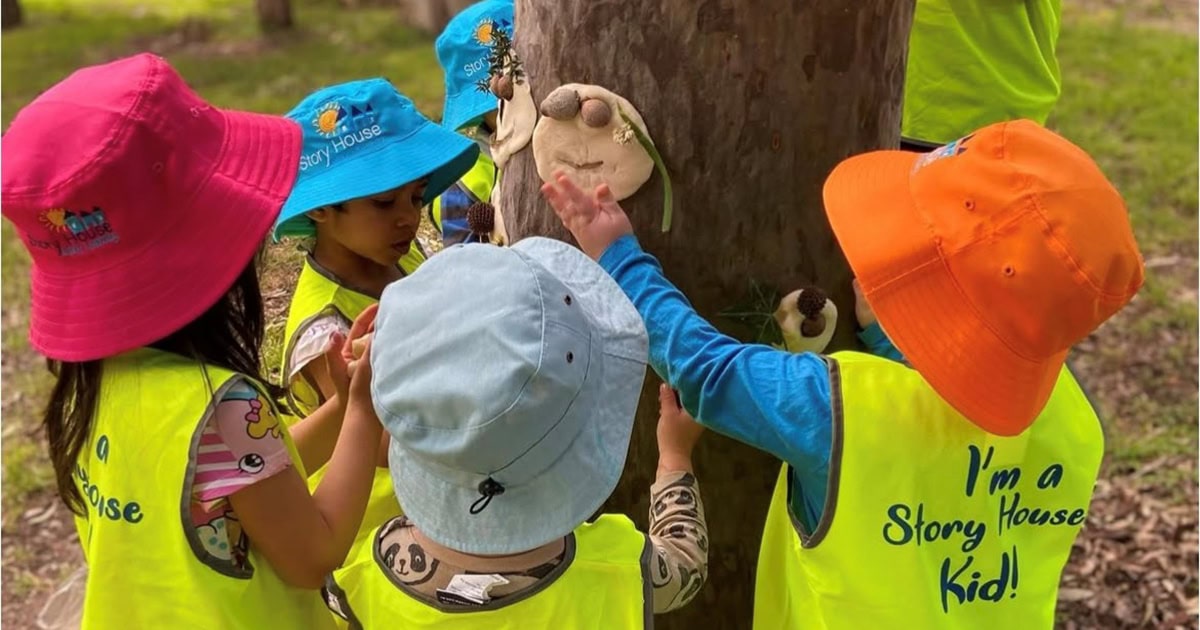
- Inquiry and discovery activities (like science experiments, nature exploration and sensory play) to encourage curiosity and critical thinking.
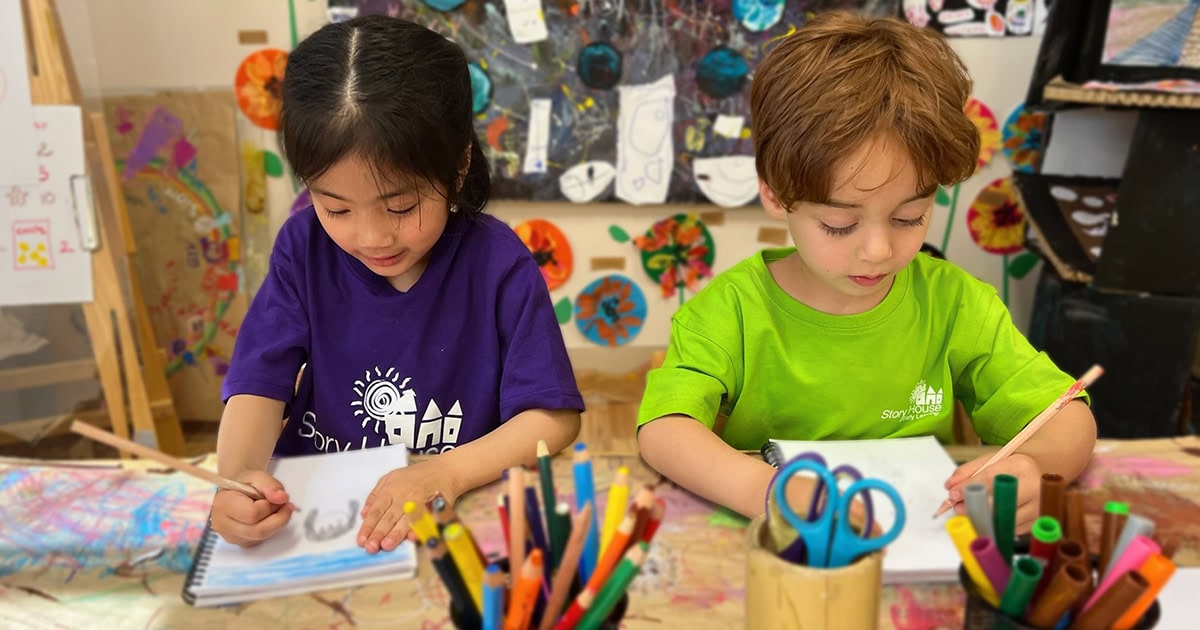
- Art and creative projects, using open-ended materials to support creativity, decision-making and self-expression.
- Cooperative games and group challenges to practise turn-taking, resilience and collaboration.
- Mindfulness and emotional literacy activities to help children recognise emotions, self-regulate and build wellbeing.
- Age-appropriate digital experiences to develop early digital literacy and responsible technology use (with no screen time for ages zero to two, and limited screen time for ages two to five).
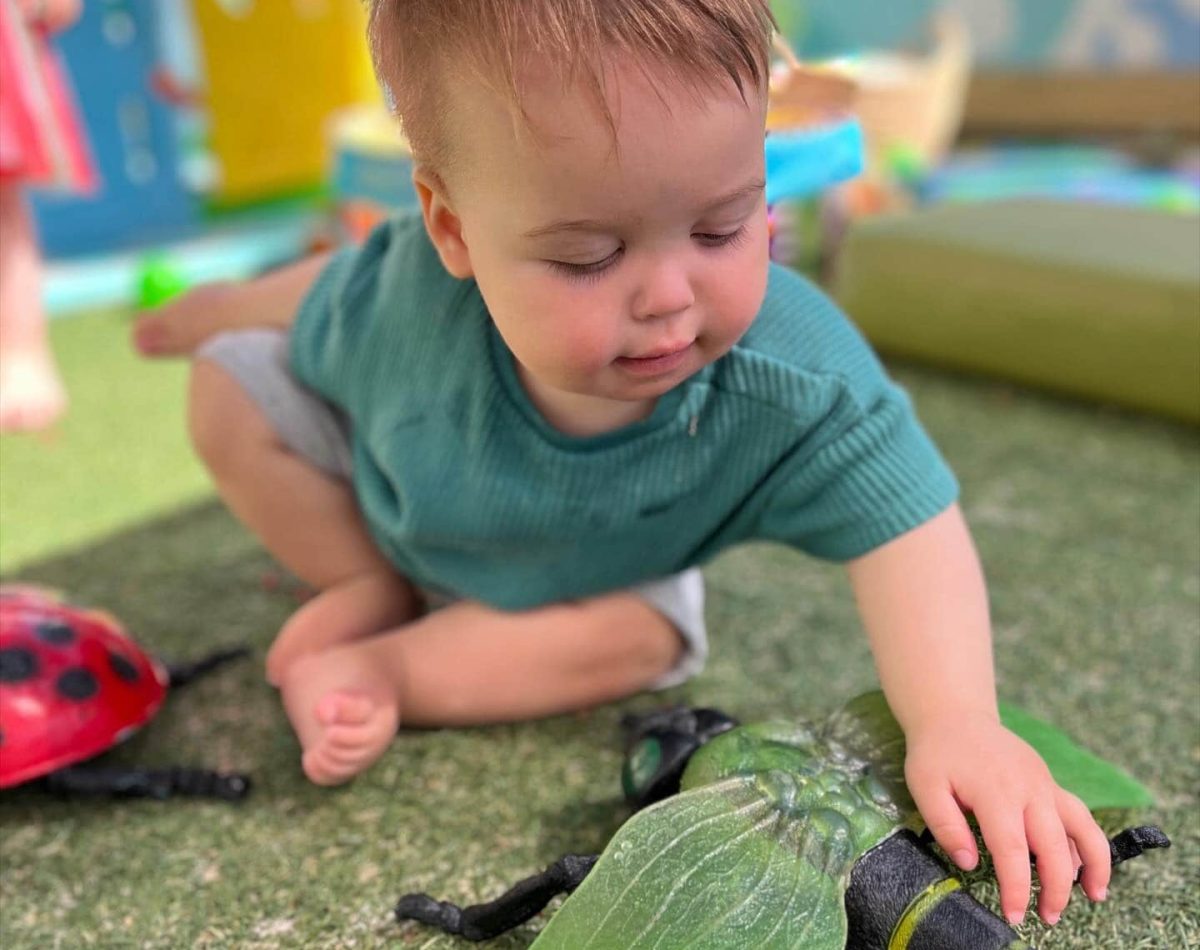
Whatever form it takes, 21st century learning teaches your little one how to be capable, caring and adaptable, which is positive for school and life.
So, make sure your child is developing key skills, like communication, problem-solving, collaboration and emotional awareness, in their first five years.
And if you’d like to see 21st century learning in action, then step into a Story House service.
The KindiCare App and Childcare Comparison Website make it easy to find your closest Story House Early Learning service and book a tour, with just a couple of taps!