


An Important Conversation
Learn how to positively talk about race and culture with your preschooler.
BY HEJIRA CONVERY, KINDICARE
Australia is magnificently multicultural, and it’s never too early to celebrate people’s differences and role-model kindness and respect with young children.
This is good for our littlies and our society; and although quality early learning services are great at bolstering pre-schoolers’ identities, sharing language and culture, and welcoming every family into the childcare community, positive attitudes around race and culture begin at home!
As a parent, you are your child’s first teacher, and whatever your family background, early childhood is the perfect time to start this important conversation with your little one.
To help you do this, we’ve sought the advice of Jaida Penny, Research Assistant at The Kids Research Institute Australia.
Jaida is a proud Noongar yorga (Aboriginal woman), and with her colleagues, she’s doing some amazing work to empower and support families.
You’ll be interested to read the team’s Simple Science series, which covers topics from Playful Parenting to Shyness in Young Children; and their Talking to Your Kids About Racism resource is definitely worth a read.
It was prepared by Jaida’s colleagues, Helena Crabb and Gabriella Wells, and if you’re keen to open the conversation with your early learner, then the team suggests you do these five things.
1. Encourage your pre-schooler to feel proud of their identity
Your child needs to accept themselves before they can accept others, and understanding their own identity is a good starting point for thinking about others.
Jaida explains that, “Reflecting on what makes us who we are can help your early learner to understand how we are unique from each other.
“So, it’s helpful to speak about individual qualities as something to be proud of, and prompt your child to think about what makes other people special.”
2. Recognise and celebrate differences
It’s totally natural for children to notice differences between people, and if your pre-schooler comments on someone else’s accent, skin colour, hair, clothing or anything else, then that’s ok!
Jaida says, “Kids are curious about the world around them, and you can lean into this curiosity and invite your child to ask questions.”
She explains that, “When you speak openly about people’s differences in a positive way, this helps to create a safe space where your child can learn.
“And when you acknowledge what your child is observing, and offer an explanation, this frames their observation as positive.”
3. Lead by example
Although we hear it often, young children really are sponges.
They soak up what’s going on around them, and learn behaviours and world views from those they spend a lot of time with.
Jaida says, “This means parents, family and care-givers often have a big role in helping to shape children’s understandings. That’s why it’s important to be mindful of what you’re saying and doing when your child, and other children, are around.”
Remember to role model good social habits, like kindness and politeness; speak well of others as much as you can; and keep an open mind.
Jaida says, “We can all learn about other cultures, peoples and places with our children, and appreciate the wonderful and interesting things that we might not know about, or want to learn more about.”

4. Support your child to share their feelings
Whether your pre-schooler is sad about something that’s been said to them, or angry about something that seems unfair, it’s never good to keep big emotions bottled up.
Instead, you want your child to know that they can always talk to you about what they see, hear and feel.
Jaida says, “We know that experiencing racism can impact the social, emotional, and behavioural development of young children, as well as their sense of identity and self-worth.
“We want children to feel safe and comfortable to share what might be going on within and around them, so acknowledging their feelings, recognising that it’s ok to feel this way, and supporting them is important.
“We can help them to build empathy for others as well.”

5. Keep communicating with your child as they grow
Your little one’s communication skills will develop over time, and whether they’re grappling with first sentences or explaining things in great detail, it’s important to keep the conversation age-appropriate, and communicate in ways that appeal to them.
Jaida says, “Using books, videos or dolls can make the conversation easier and more interesting for your under-five; and as they get older, you can keep asking questions and encouraging positive talk with your child.”
When they go to big school, they’ll encounter new peer groups and wider-world experiences, and although the groundwork you lay early on will give your child a positive headspace going forward, parenting is a journey!
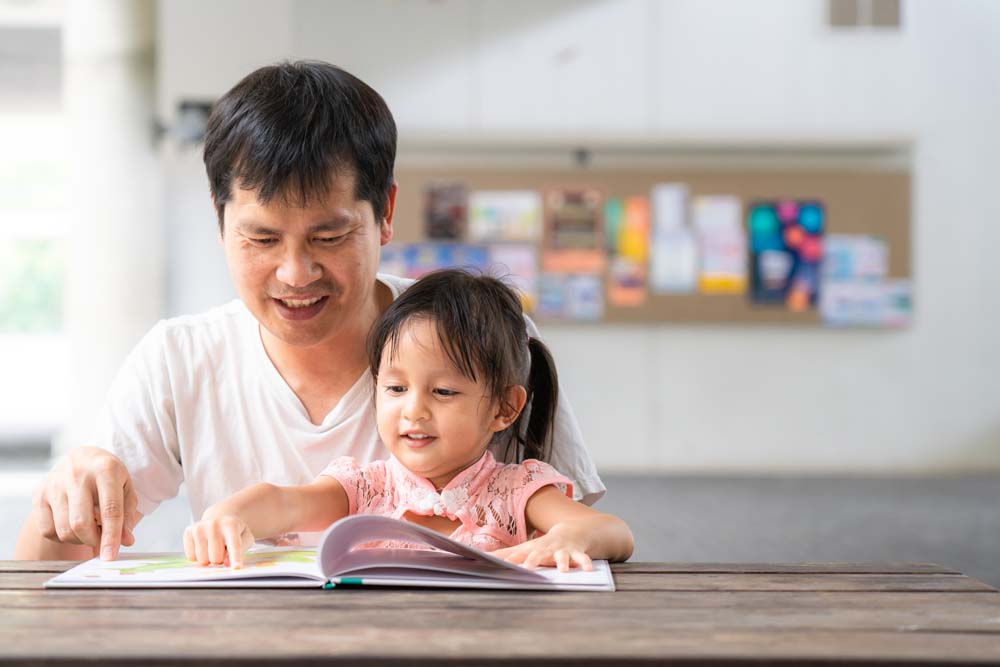
Your child needs ongoing support and guidance to grow into a well-rounded member of society, and we can all play a role in supporting children’s understanding of racism.
Jaida says, “We know that racism is complex and involves systemic factors, but each of us can take action to stand up to harmful behaviour and ways of thinking, and admire our population’s diversity.”
Together, we can contribute to making positive change, and although many important conversations begin at home and in the early learning environment, helpful thoughts and actions are definitely a group effort!