

Childcare Refusal
If your under-five has stopped wanting to go to childcare, then Dr. Billy Garvey is here to help!
BY HEJIRA CONVERY, KINDICARE
We hear a lot about school refusal, but if your under-five is suddenly resisting childcare, then they’re not alone.
Childcare refusal is actually very common in the early years, and although you may be confused, upset or frustrated by your little one’s change of heart, it is important to understand why they don’t want to go to daycare, kindy or preschool, then take steps to get them back on track.
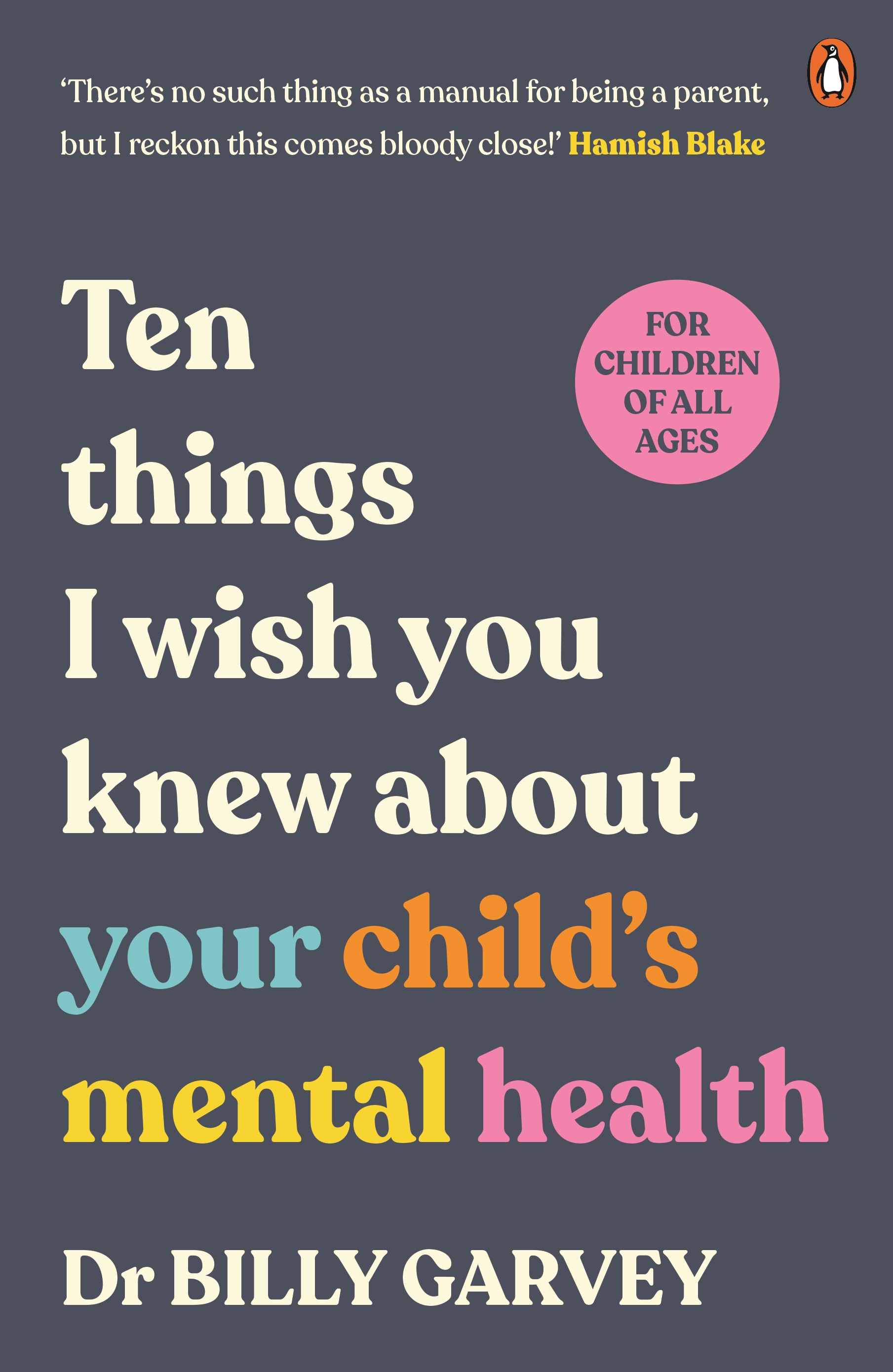
To help you do this, we’ve spoken with Dr. Billy Garvey, who’s a leading developmental paediatrician, founder of Guiding Growing Minds, and author of a very helpful book called Ten Things I Wish You Knew About Your Child’s Mental Health.
Dr. Billy’s encountered childcare refusal with his own pre-schooler, and with 20 years’ of clinical experience, he has some great advice to share.
 Photo credit: Meagan Harding
For starters, Dr. Billy says there’s a number of reasons why a young child may become resistant to childcare.
Changes at home, like moving house, welcoming a baby, separating from a partner or going on a family holiday, can make childcare less appealing; and changes at your child’s centre can also have an impact.
If a favourite educator or great friend leaves the childcare community, your under-five might want to go as well, and other experiences can also be off-putting.
Unpleasant incidents, like being bitten by another child, may well impact your little one’s interest in going back to that environment.
And it is possible for separation anxiety to persist in particularly sensitive pre-schoolers (though most kids settle into childcare fairly quickly).

Whatever the reason, Dr. Billy explains that childcare refusal is, “Really, really common” amongst pre-schoolers, but there’s lots you can do to help.
The best starting point is to take steps to ensure that your little one feels safe and secure, not just at childcare, but in the world.
Dr. Billy says this means being responsive to your child – letting them know that you’re watching them and are adapting to how they’re feeling.
For instance, if you’ve had a new baby, you might say, “I notice that you seem a little bit sad since Molly arrived. Would you like to make some play dough, just with Mummy?”
Dr. Billy explains that, “This will help your child feel safe and secure, which settles their nervous system.”
Predictability and consistency are also important to many under-fives, so when there are changes that you can’t control, Dr. Billy says it really helps to look around and consider what you always do after your child’s been at care.
“For example, if you’ve moved house, it helps to keep the exact same bedtime routine, and if you usually drop into a playground after preschool pick-up, it’s great to keep this family tradition going.”

Dr. Billy also suggests that you enlist the help of your child’s ‘key people’ to build (or re-build) your under-five’s enthusiasm for childcare.
This could mean that Aunty Karen asks to look at that amazing picture your child did at daycare, or your child’s key educator shares some throwback photos of that excursion your little one really enjoyed.
Dr. Billy says it also helps to weave your child’s favourite educators or friends into your storytelling about the centre.
For example, you might say, “Remember that day when Miss Allie showed you how to make pizzas?” or “I wonder whether Oliver will be there today?”
And he explains that this kind of storytelling, “Builds a safety net in your child’s attachment around being safe and secure and valued in the childcare environment.”
It also helps for you to highlight all the exciting things that are happening at childcare, and especially those things that tie in with your child’s particular interests.
So, you might say, “It’s going to be a very exciting day tomorrow, because you have Bush Kindy!” or “It’s so exciting that the chicks have hatched. I wonder how big they are now?”

In most cases, this kind of parental support and positive spin will help your under-five get back into the swing of childcare.
However, Dr. Billy explains that childcare refusal can be clinically concerning if it’s really impacting your child’s function.
For example, you’re not actually able to leave your under-five at childcare, or educators report that your child is distressed the whole time they’re at care, and things aren’t improving.
If this is the case, you might think there are only two options – either not sending your child to care at all, because they’re so distressed, or forcing them to go, because you have to work – but Dr. Billy says, “It’s actually not a binary choice.”
Instead, there is a middle ground, and experienced educators and developmental paediatricians can support your child, “To be ok, and successful, in the childcare environment.”

And despite what your early learner might think right now, childcare attendance definitely has its upsides!
Dr. Billy says, “The evidence shows that early learning environments with good educator to child ratios, and responsive, supportive and well-trained educators, offer a really positive experience for children in their early development.”
From an early age, babies can watch and learn from each other in the childcare environment, while soaking up all the sensory experiences on offer.
And Dr. Billy says, “When they reach 18 months to two-years-old, children begin to parallel play, share, and learn all those things that will set them up for school and life.”

We thank Dr. Billy for all this helpful advice and, of course, childcare refusal isn’t his only area of expertise.
Dr. Billy has a deep, yet very approachable, understanding of where children’s heads are at, and his brand-new book, Ten Things I Wish You Knew About Your Child’s Mental Health is pretty darn illuminating.
Enjoy!