


Injuries at Childcare
What to do if your early learner suffers a bump, bruise or something worse during the childcare day.
BY HEJIRA CONVERY, KINDICARE
No parent wants to see their child getting seriously hurt while at daycare. However, a few bumps and scrapes can definitely be expected when your under-five is throwing themselves into early learning life.
Quality educators understand that free movement is really important for babies’ learning and development, and risky play has huge rewards for under-fives.
So, instead of wrapping little ones in cotton wool, great educators weave some age-appropriate risk into the program, and encourage early learners to test their skills and boundaries.
This could mean that your baby gets to whack a saucepan with a wooden spoon, your toddler is let loose on a slippery slide, or your preschooler gets their hands on a real tool; and along the way, it’s possible that that spoon, slide or saw causes an injury to them, or someone else.

So, what to do about injuries that happen at childcare?
Well, this obviously depends on how serious the incident is, but as a guide, here are five ways to approach childcare injuries – both before and after they occur.
1. Take the time to understand your centre’s policies, practices and philosophy when it comes to health and safety.
Forewarned is forearmed, so when you’re first exploring your centre, find out how they keep children safe, what they’ll do if an incident happens, and whether risky play is part of their philosophy.
The centre’s Family Handbook is a great source of intel, and educators should be happy to answer questions like, “What happens if my child has an accident?” or “It’s amazing that the preschoolers are allowed to tend to the firepit. How does that work?”
Clear, helpful information will give you peace of mind from the outset, and if your child does suffer an injury, you can trust that they’re in safe hands, with processes in place.

2. Focus on building a great relationship with your child’s educators.
You can do this from the moment you first meet them, and over time, a quality parent-educator relationship will help your child to feel secure and supported.
A meaningful parent-educator relationship involves two-way communication and transparency, and when it comes to injuries, this open honesty will give you confidence in what the educators tell you about the incident, and their response to it.
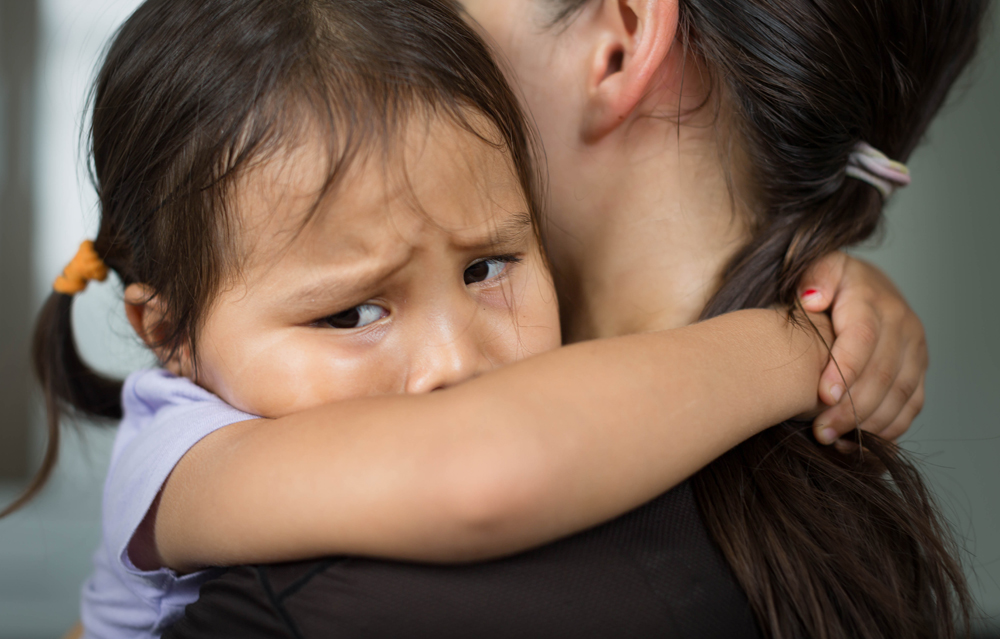
3. If your child does get hurt, talk to a staff member about the specifics.
You need to understand how the injury happened, and what steps the team took to make your child feel comfortable and safe afterwards.
If your child has suffered a serious injury, then this detailed explanation is even more important; and your childcare provider is legally obligated to tell you about any incident, injury, trauma or illness your child is involved in at childcare – as soon as practicable, and no more than 24 hours after it’s happened.
The provider also needs to tell their state/territory regulatory authority about any serious incident within 24 hours, and keep a record of it.

Hopefully you have a positive relationship with your child’s educators, and can trust in their care and processes, but if you’re not happy with how the injury happened or how the team responded to it, then you’re within your rights to raise your concerns, then perhaps make a complaint.
There’s info about this here, and although we’re seeing reports of terrible happenings at some childcare centres, you can rest assured that there are lots of amazing educators and providers who take children’s health and safety very seriously.

4. Seek medical advice if you’re worried about your child’s injury.
A little scrape or bruise should heal pretty easily, but if you’re concerned, or the injury is more severe, then you can get a second opinion from your family doctor or local medical centre.
The HealthDirect Symptom Checker may be helpful if you’re not sure whether to see a doctor or look after your little patient at home.
And you can get free health advice, anytime of the day or night, by calling the HealthDirect Hotline on 1800 022 222.

5. Continue the healing process, with the help of your child’s educators.
If your child is back at daycare, but still recovering, make sure the educators know how to support your child’s healing.
This could mean keeping a wound clean around messy play, offering activities that don’t require the use of that broken arm, or re-applying 'magic cream' as needed.
If the injury arose from certain circumstances, like your child being bitten by another child or falling from the adventure playground, it’s also important to communicate with your child’s educators and see what steps are being taken to prevent the harm from happening again.
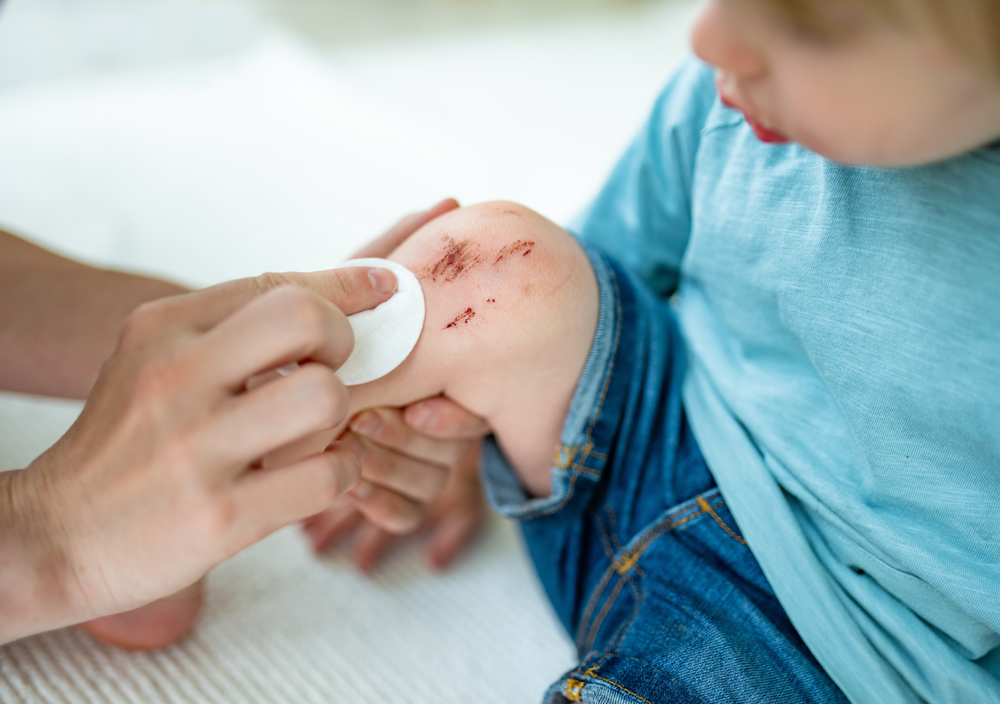
At the end of the day, some injuries can be expected as your little one explores the world and their capabilities, but it’s important that your childcare centre has safeguards in place.
Risky play should be age-appropriate, supervision is essential, and if an incident happens, you need to trust that the educators will respond in the right way and be totally transparent with you.
When you choose a high-quality centre, it’s very likely this will happen, and if you’re looking for childcare, we recommend that you read this KindiCare article, and compare the ratings and reviews of different centres using the KindiCare App or Childcare Comparison Website.