


Toddler Starting Childcare?
Prepare your toddler for the big transition to early childhood education and care, with expert advice from a toddler whisperer!
BY HEJIRA CONVERY, KINDICARE
If your toddler is starting childcare soon, then Dr Cathryn Tobin is your friend.
Dr Tobin is a Canadian paediatrician who’s cared for thousands of toddlers, and she has a special knack for helping parents truly understand their little one to make those tricky toddler moments not so tricky.
As an Australian parent, you’ll get a lot out of Dr Tobin’s book, Toddlers Made Easy, because it’s written in a really relatable style, and contains loads of tips to help you deal with big emotions and big changes in a big-hearted way.
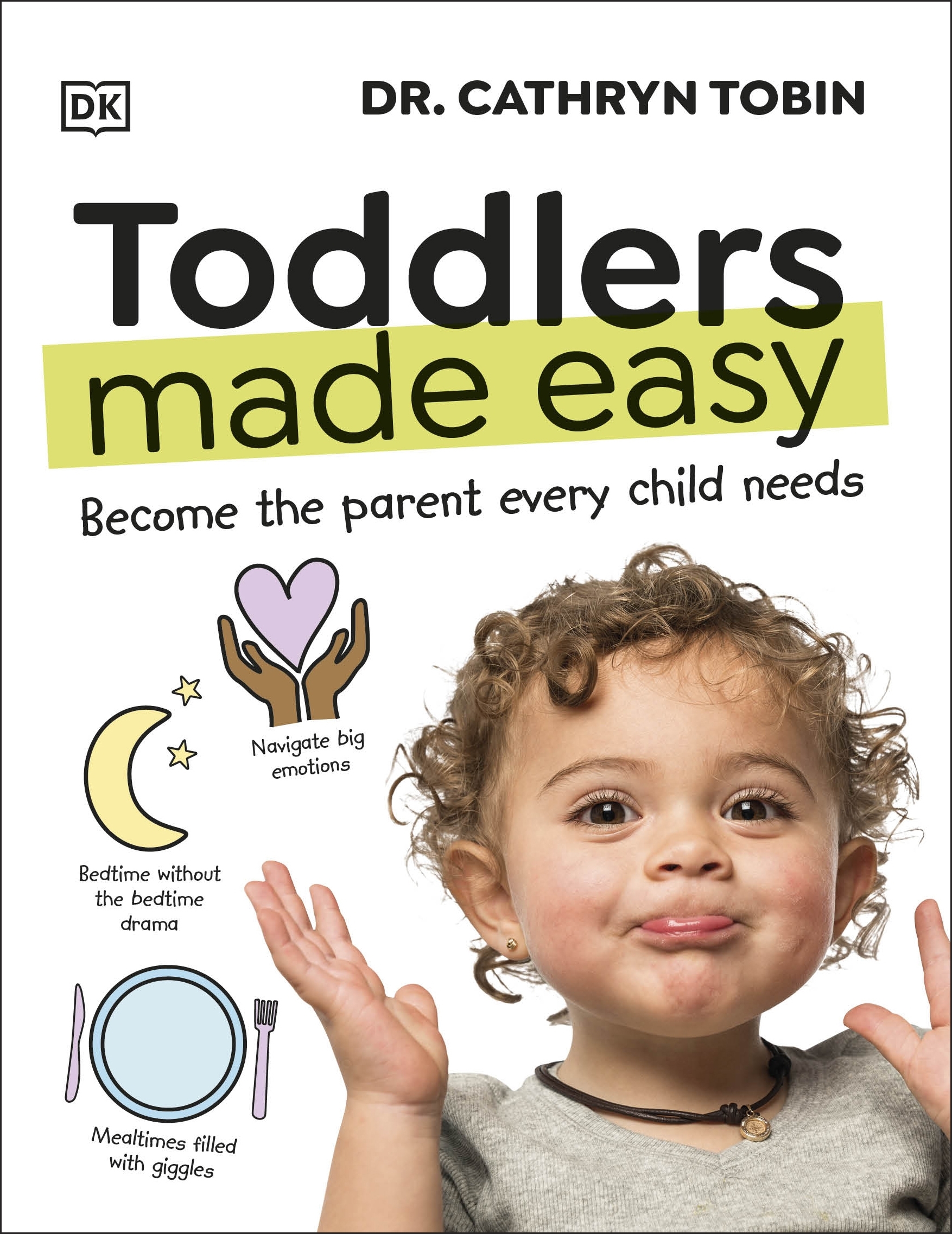
Tantrums, toilet-training and sibling troubles are all covered, and when it comes to childcare, Dr Tobin has some great advice for all you KindiCare families who are about to enter the brave new world of early childhood education and care.
Her tips below will help to make this transition easier for your toddler and yourself, and although that first drop-off will tug at the heartstrings, knowledge is power and great days are coming!

How to prepare your toddler for childcare – the easy way
It’s always important to see things from your toddler’s perspective, and Dr Tobin explains that, “Toddlers, like all of us, feel safer when they know what to expect.”
For this reason, the transition to childcare can be smoother and less stressful if your toddler is prepared for what’s to come, and Dr Tobin suggests that you P.R.E.P your toddler for childcare in this way:
1. Preview: Introduce the concept of childcare in advance, and talk about what your toddler might feel and how to handle those feelings.
2. Rehash: On your toddler’s first day, review what’s going to happen step-by-step.
3. Engage: Let your toddler make age-appropriate choices. For example, Dr Tobin’s kids loved choosing a special ‘goodbye signal’ (tapping her nose) to make drop-offs easier.
4. Pretend play: Use pretend play to explore what your toddler’s childcare day might look like. Practise drop-offs, lunch routines, or even nap times in a fun, stress-free way.

Dr Tobin says it also helps to:
- Visit the childcare service with your toddler ahead of time, so they can explore the space. Going to a stay and play, or orientation day, is great for this.
- Meet the educators and staff who’ll be caring for your toddler, so their faces feel familiar.
- Schedule playdates with other children from the group before your toddler’s first day. Dr Tobin says, “Having a few ‘friends’ already in place can make all the difference,” and you might be able to tee up a playdate with a family you met at the centre’s Open Day or know from playgroup.

How to give your toddler a good send-off when childcare starts
Even with the best preparation, going to childcare is a huge life change for your family, and saying “goodbye” on that first day (or week) can be really tough.
If your little one doesn’t want to stay at childcare, or doesn’t want you to go, it can be tempting to linger for a long time, or sneak out when your toddler is distracted.
However, Dr Tobin cautions against this.
She says, ““Lingering, however tempting, often amplifies the anxiety of both your child and yourself; and sneaking out might feel like the easier option, but it can lead to anxiety and break down trust over time.”
Instead, Dr Tobin recommends a short and sweet goodbye.
This means keeping your goodbye quick, but meaningful, and establishing a goodbye routine that feels reassuring and consistent for your toddler.

Dr Tobin says, “A hug, a kiss, or a special ritual, like a nose rub, can provide comfort,” and if your child is upset, then she advises you to let them feel their feelings.
Dr Tobin explains that, “Allowing your toddler to express their emotions builds emotional intelligence,” so instead of brushing off their clinginess, or trying to distract them from their crying, it’s better to acknowledge your toddler’s feelings with empathy.
For example, you might say, “I see that you're feeling a little sad. It’s okay to feel this way. Mummy will be back after naptime, and we’ll read your favourite book together. You might cry after I leave, but then you’ll have fun playing with the toys, and Miss Julie will be here to help you."
Dr Tobin explains that this acknowledgment lets your child feel heard, which helps to strengthen their resilience and trust in you, and it also provides a clear expectation of when you’ll return, which is very reassuring for a little person.

Speaking of reassurance, Dr Tobin says it also helps leave your toddler with some items that provide comfort and familiarity during their childcare day.
For example, you might pack:
- A small family photo album that they can look at whenever they need a little reminder of home, or
- A blanket or comforter, such as a favourite teddy or special toy, to provide reassurance in your absence.

Of course, there’s no getting away from the fact that starting childcare is a huge change for your little human.
Your toddler’s first (or fifth) drop-off may still be hard, but your educators are there to provide support, and the small steps above can really help to ease your toddler’s transition to childcare, and set a foundation of trust, comfort and connection.

How to handle your own big feelings about the childcare transition
Sending your little one to childcare for the first time is also a big deal for you, especially if you’re returning to work after being a stay-at-home parent, so it’s important to acknowledge your own feelings, accept help from your ‘village,’ and frame the change as positively as possible.
Dr Tobin says it’s completely normal to feel sad, worried and guilty about the childcare transition, however she can assure you that, “Children thrive in quality childcare, and being a working parent won't harm the bond you have with your little one.”

And although you might feel like you’re being pulled in different directions as you balance work and child-raising, Dr Tobin says it’s important to remember that, “Quality time matters more than quantity.
“You're modelling the valuable lesson that one can pursue career goals while being a devoted parent.
“And while your time with your child is precious, please remember not to put your own needs on the back burner.”
This is very, very good advice, and although change is hard at all ages, preparation does help, and as a family, you’ve got this!