


What’s an ECT?
'ECT’ stands for Early Childhood Teacher, and if you’re new to the world of early learning, it’s definitely worth understanding what this person does.
BY HEJIRA CONVERY, KINDICARE
Although there are no set rules when it comes to the roles or responsibilities that an Early Childhood Teacher must be on top of, ECTs offer a lot to the early learning experience, and there are rules in place to ensure that every child gets access to their special kind of leadership, knowledge and care.
Centre-based services, like long day care, are required to have an ECT, or two, available some, or a lot, of the time (depending on how many children are in attendance), and Desislava Garcheva is a great example of this kind of teacher.
Daisy (as the kids call her) works at Goodstart Early Learning McDowall in Queensland, and although she originally forged a career in Marketing, Daisy loves what she does as an ECT, and is the perfect person to explain the positive influence ECTs have.
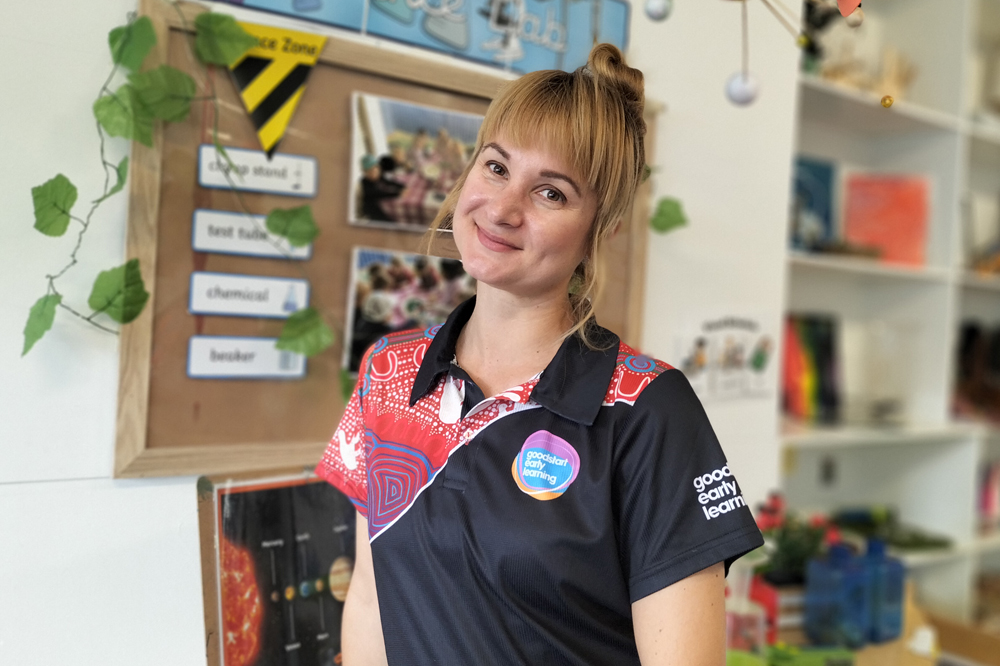
The first thing Daisy can tell you is that Educators and Early Childhood Teachers aren’t the same thing, and what often distinguishes an Educator from an ECT is their qualification.
Daisy says, “Usually, ECTs will have obtained a nationally approved Bachelor’s degree qualification or higher, with an Early Childhood Teaching focus, and they are trained in more depth to implement various pedagogical practices and use this knowledge to inspire the work of colleagues.”
Daisy herself holds a Master of Teaching Early Childhood from the Queensland University of Technology; and being an ECT in the Sunshine State means she can deliver the Queensland Kindergarten Learning Guideline, which provides advice for planning, documenting and assessing under-fives’ learning and development, and sharing info with families, and sometimes, schools.
It is worth noting that a person doesn’t necessarily need to have finished their Early Childhood Teaching qualification to be counted as an ECT.
In some state and territories, a person can be actively working towards an approved ECT qualification to be taken to be an ECT, and you can read more about this here.
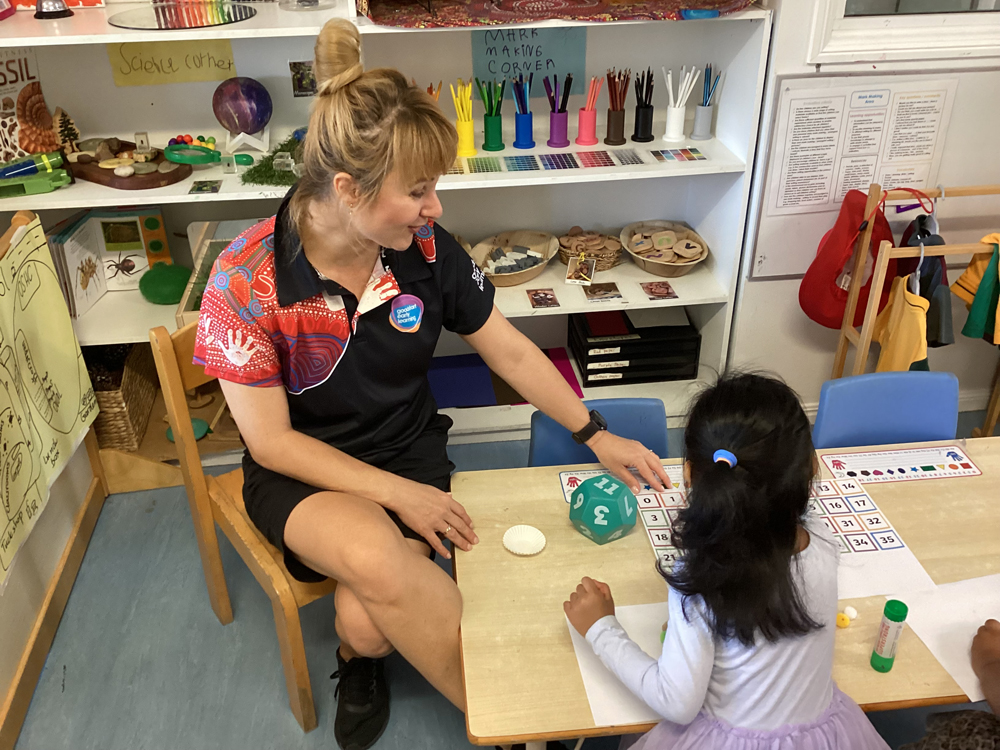
Day-to-day, ECTs do a lot for the children in their care, the colleagues in their team, and their early learning service.
Although it’s up to the approved provider of each service to decide what their ECT/s will do, the Australian Children’s Education & Care Quality Authority says ECTs might be involved in:
- Creating, implementing and reviewing educational programs and practices
- Leading and supporting the wellbeing, learning and development of children at their service
- Providing leadership around the ‘how’ of teaching (i.e. pedagogy)
- Coaching, mentoring and supervising staff
- Forging and continuing great relationships with early learners and their families
- Complying with service policies and legislation, while supporting other educators to do the same
- Collaborating with members of the community and external agencies
There’s a lot to being an ECT, but first and foremost, they are teachers who are trained to have a positive influence on early learners.
As part of this, ECTs are careful to take each child’s interests into account.
Daisy explains that, “ECTs observe and support children to link their interests and extend on their learning by questioning, providing more information, and linking the learning to previous discussions.”
She says, “ECTs balance open-ended, spontaneous activities with planned learning experiences to address the group and individual learning goals, while working towards learning outcomes,” and there is a degree of subjectivity involved.
Daisy says, “Part of the ECT’s role, I believe, is to make judgments about which learning opportunities you can extend on, and when is it more beneficial to observe without intervening to promote children’s agency and self-directed learning.”
ECTs may also weave their own interests into the program, and in Daisy’s case, this means bringing her Marketing skills and Bulgarian background into play.
Daisy says, "My Marketing skills help me with preparing activities, working with budgets for Kindergarten funding, and engaging with different people.
“And because English is my second language, I’m quite motivated to come up with strategies and activities and extend children’s interest to support EAL/D [English as an Additional Language or Dialect] learners to acquire English.”
She says, “I’m very focused on helping all learners to develop their early literacy through play-based learning, and I love helping children to feel a sense of belonging in their environment. I support them to be empowered and confident, as well as respectful learners, explorers and friends.”
Daisy is a wonderful asset to her childcare community, and fortunately, she isn’t the only amazing ECT in Australia!
There are lots of teachers doing brilliant things for our early learners, and the best way to find an excellent ECT for your child is to spend some time with them.
You can do this when you first tour a service, then go along for a few stay and plays; and Daisy says, “You can gauge if an ECT will be great for your child by observing how they interact with other children and colleagues, as well as your own family, and how they respond to different situations.”
She says, “For me personally, as a parent, I would also think about my instinctual response to the person, and what I can imagine their bond with my child would look like.”
Remember, too, that you’re very welcome to ask your ECT questions and offer insights about your child; and over time, an ECT is someone you can form a genuine connection with.
We hope you find someone as caring and dedicated as Daisy, and whether your centre has a little bit of access to an ECT, or a lot, this kind of early childhood professional can really help your under-five to thrive!