


Lunchboxes on a Budget
9 ways to save money when packing your child’s lunchbox.
BY HEJIRA CONVERY, KINDICARE
Whether you’re loading up a lunchbox for childcare or school, you will have noticed that food is not as cheap as it once was and shrinkflation is real!
Most of us are getting less for more when we do our regular shop, and this poses a lunchbox challenge, because we have to come up with five days of nutritious, appetising and affordable food at a time when inspiration is lacking (ie Term 3 of the school year).
There are ways to make inexpensive and inventive lunchboxes, though, and George Georgievski is someone who can help us do this.
George is a Melbourne dad who’s gained a huge following with his School Lunchbox platform, and he’s kindly sharing 9 ways to cut costs when cutting other things, like fruit and sandwiches!

Tip #1: Create a meal plan, which includes lunches.
George says, “Having a meal plan and shopping list before heading to the shops will mean less wasted produce at the end of the week. It also stops you from purchasing unnecessary items that aren’t on the list!”
You can plan lunchboxes just like you plan dinners, and if you’re wooed by unhealthy or indulgently priced items when in store, then it may help to do your shopping online, away from those tempting, tangible goods.
Tip #2: Look for bargains, online and in store.
George explains that, “Shopping online can also be cheaper, as online discounts and specials are huge.”
Another tip is to purchase food that’s close to its expiry date, but still good to freeze (like meat), and you might like do a little bulk buying if one of your lunchbox staples is on sale and won’t perish (like your kiddo’s favourite muesli bar brand or dried fruit variety).
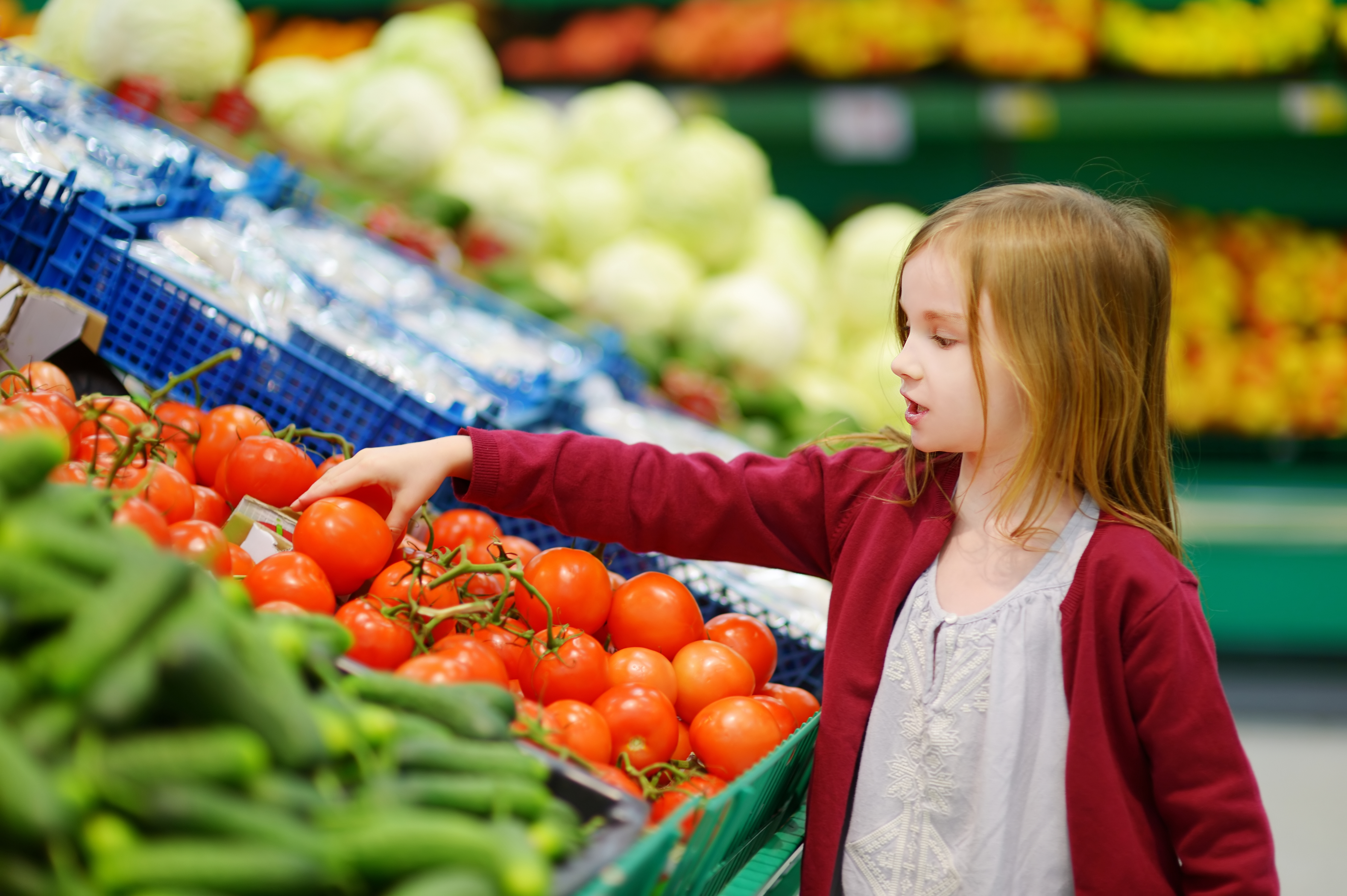
Tip #3: Shop at your local green grocer.
George has found that he saves $20 to $25 per week, on average, by going to his local green grocer, and says, “The produce is usually fresher, too. They will often have a section for fruit and veg that have a few spots and scuffs, called ‘imperfect produce.’ It’s a great way to pick up heavily discounted items that taste just as good!”
If your discerning eater doesn’t like the look of a slightly bruised apple or dented pear, you can chop these bits off, and if your child is young, it’s important to prepare food in ways that reduces their choking risk, so chopping may be recommended, anyway.
Tip #4: Buy seasonal produce when possible.
While you’re at the green grocer, it’s good to remember that fruit and veg is cheaper and tastier when it’s in season, so it makes sense (and cents) to choose produce when the price is lower and it’s abundant.
It will be pretty easy to see what’s in season when in store, but you can also check seasonality for your region with a site like Seasonal Food Guide Australia.
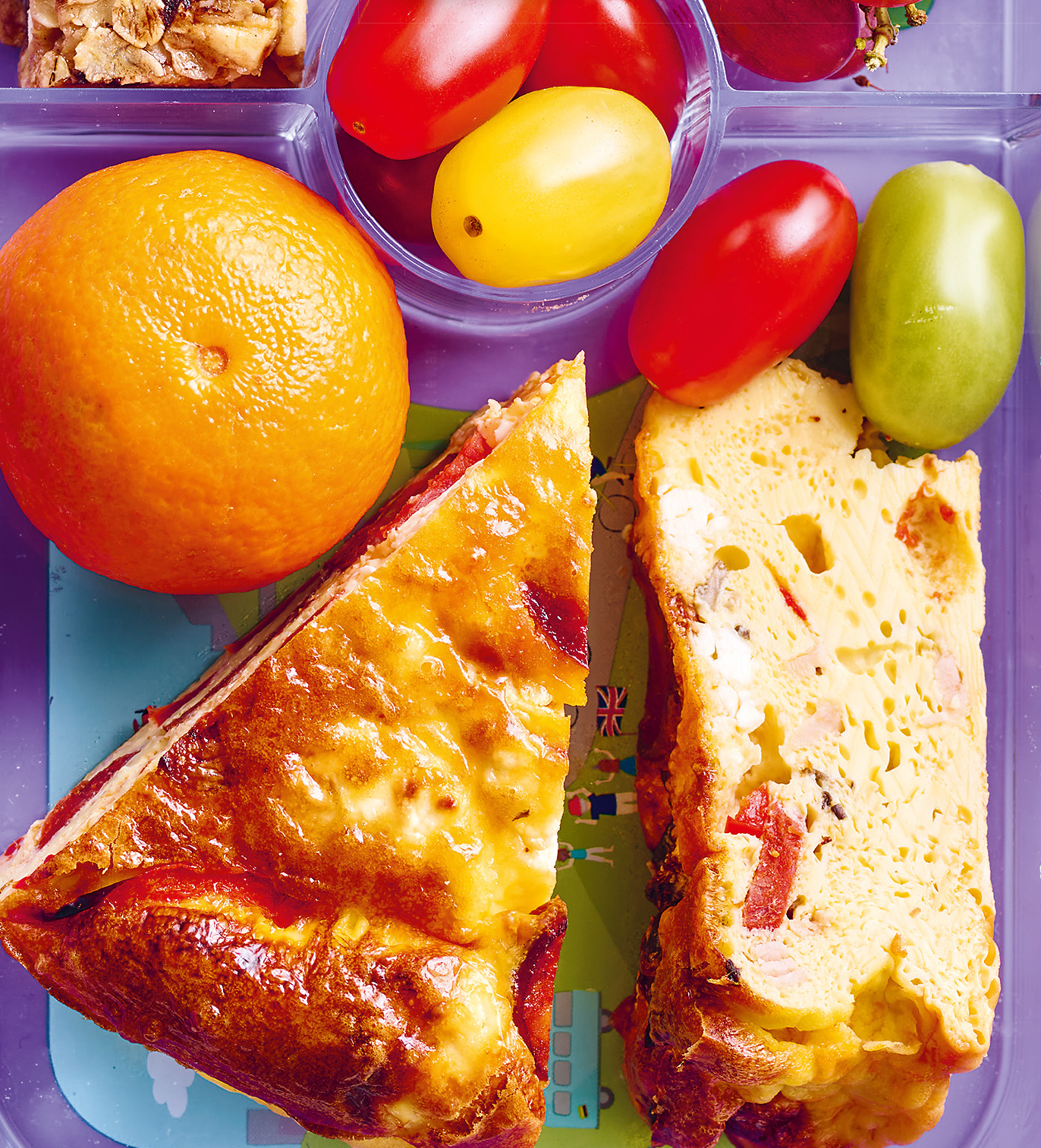
Tip #5: Store produce in airtight containers.
Once you’ve bought smart, it’s important to store smart as well, and George says keeping produce in airtight containers, “Saves on wastage and, therefore, money.”
He simply washes his fruit and veg when he gets it home, then puts it in containers in the fridge.
And for bigger items, like bunches of herbs, celery or kale, George recommends that you, “Wash them well, then wrap them up in damp tea towels and place them in the crisper. This will extend their life by double!”
Tip #6: Refrigerate your bread.
If you live in a hot and humid place, like Brisbane or Darwin, then bread can get mouldy pretty quickly if you keep it in the pantry, exposed to the air.
To avoid this, you might consider storing your bread in the fridge instead, which will save you having to throw out half a loaf.
And if you find you have bread left over after cutting off your kiddo’s crusts, you can always investigate ways to upcycle it into a recipe that uses bread bits.
Tip #7: Make the most of leftovers.
Intentional overcooking (aka ‘deliberately making more dinner than you can all eat’) can also be a really good idea, especially if you’re making something lunch-worthy, like spaghetti bolognese.
George says, “Doing this towards the end of the week when the fridge and pantry are running low makes lunches easier and more cost effective.”
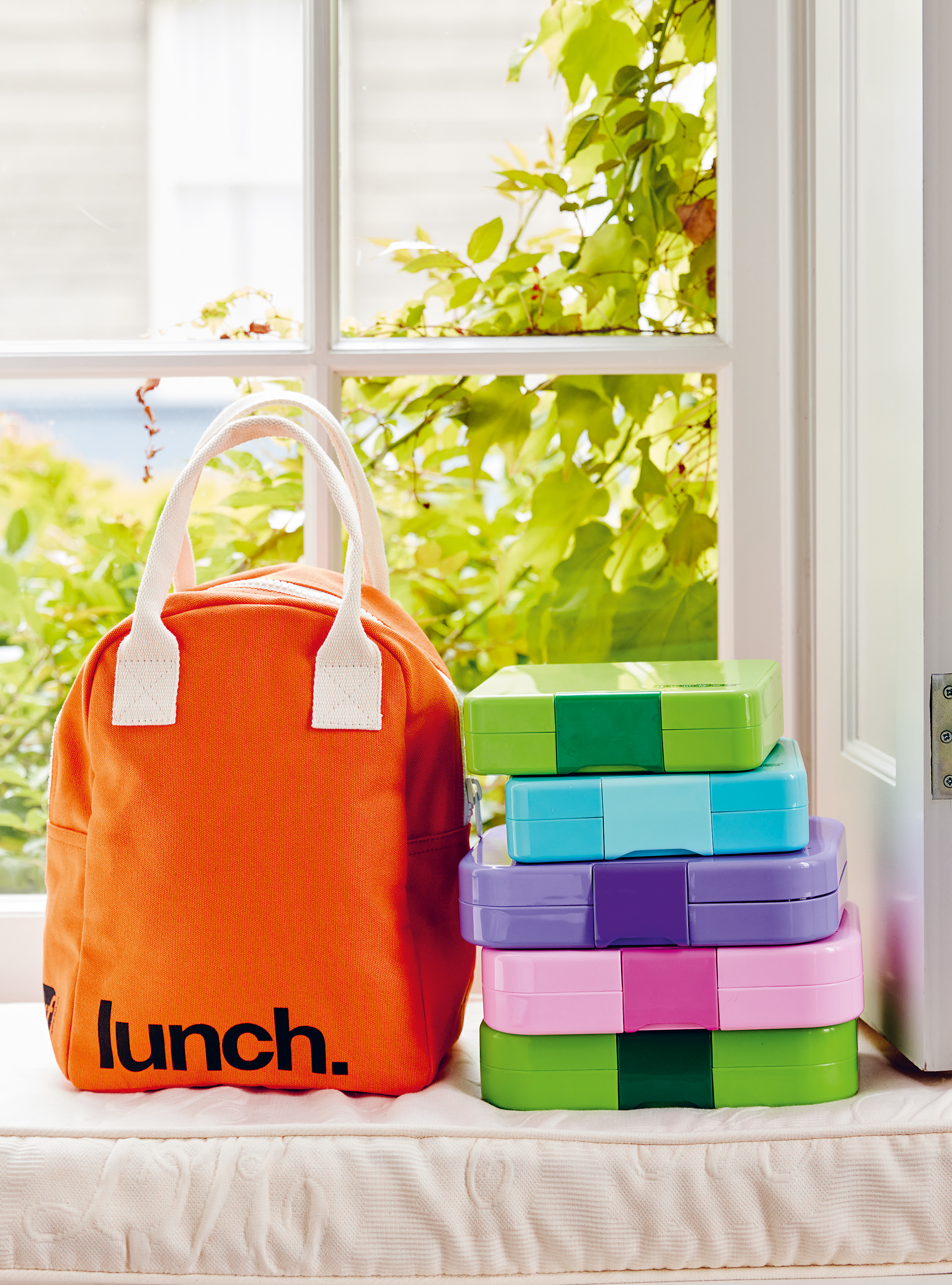
Tip #8: Invest in a good-quality lunchbox.
Although this might cost you a bit more up-front, a lunchbox that’s made from a quality material, with a leak-proof seal and insulating properties is worth it in the long run.
George says, “When you use a good-quality lunchbox, you reduce the amount of packaging that goes into landfill and also save money” because there’s no need for plastic wrappers, paper bags and ziplock bags.
Tip #9: Use a refillable water bottle.
The same goes for your kiddo’s beverage.
Instead of buying boxed juice or water in single-use plastic bottles, it’s much more enviro-friendly and budget-wise to use a refillable water bottle, day after day and month after month.

You can take all these money-saving tips into account when building your schoolkid’s lunchbox.
As well as being cost-effective, every great lunchbox contains a variety of colour, flavour and texture, and George says the best way to build a lunchbox is to:
1. Start with three fresh veggies, like baby corn, cucumber and carrots
2. Add two colourful fruits, like mandarins and kiwifruit
3. Pack some nourishing wholegrains, like a wholemeal sandwich or savoury muffin
4. Add some protein and/or dairy, which could mean roast chicken and natural yoghurt for a simple palate, or edamame beans and vintage cheddar for your more adventurous muncher
5. Then finish with a healthy treat, like a homemade muesli bar or date and almond bliss ball, and some water to wash it all down!
If you’re packing a lunchbox for childcare, then it’s important not to overload your little one with huge amounts of food, and you can check out the recommended serves for different ages here.
This KindiCare article might also be helpful if you’re finding that your under-five isn’t eating all (or any!) of the lunch you lovingly pack for them.
George’s brand-new book is also a great source of lunchbox information and inspiration.
It’s called Lunchbox Boss, and is packed with 50+ quick and easy recipes for busy parents, just like us.
As well as offering delights like cheeseburger skewers and pistachio baklava balls, this kid-friendly cookbook also contains dairy-free, gluten-free, nut-free and vegan options for an all-inclusive lunch line-up.
Whatever you pack, we hope your lunches go down well, and happy saving!
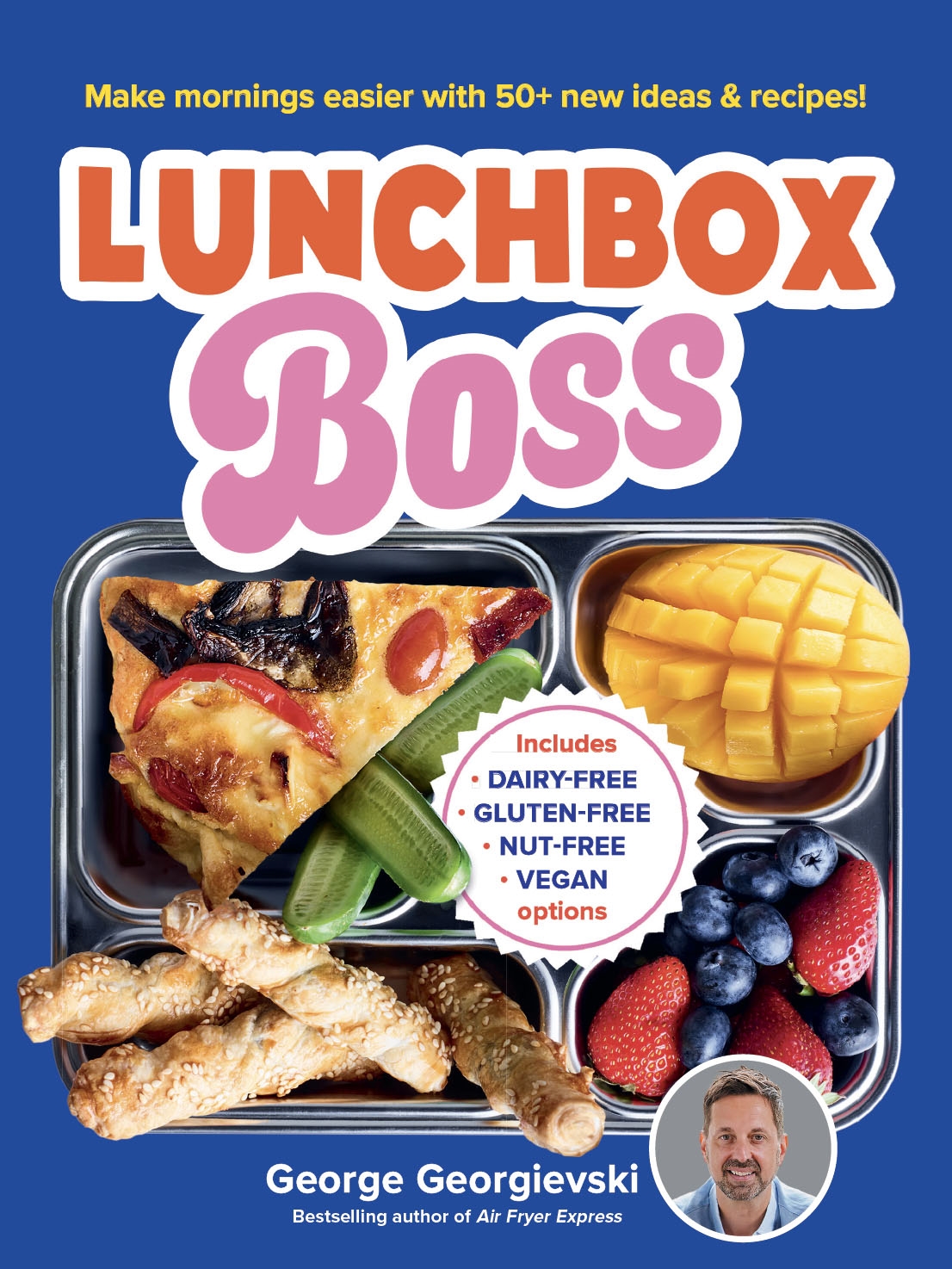
Lunchbox Boss by George Georgievski, published by Plum, RRP $26.99, photography by Mark Roper.